
When autumn comes around, it’s time to rake the leaves, bag the clippings, buy fertilizer, and repeat. But before you go to the local garden center, why not consider what your yard already has available to you?
If you’re looking for natural lawn care, start by focusing on wasting less and paying closer attention. Fall is the best time to start if you want fewer chores and healthier spring grass. Here are five changes worth making if you want to save time and money so your yard can look its best.
First, Figure Out What’s Happening in the Soil
If you see a bit of yellow grass, don’t run for the fertilizer just yet. Your soil might be too acidic, compacted, or maybe too dry. The best place to start is getting a soil test. You won’t get every answer you need, but you can tell whether the acidity or nutrient levels might be part of the overall issue.
To do this, just grab samples from several spots across your yard, mix them together, and send them to a soil testing lab. Some experts recommend doing this at least every three to five years to make sure your yard is in good hands. Once you get the results, you’ll know more about what your yard needs.
Second, Stop Bagging Every Grass Clipping
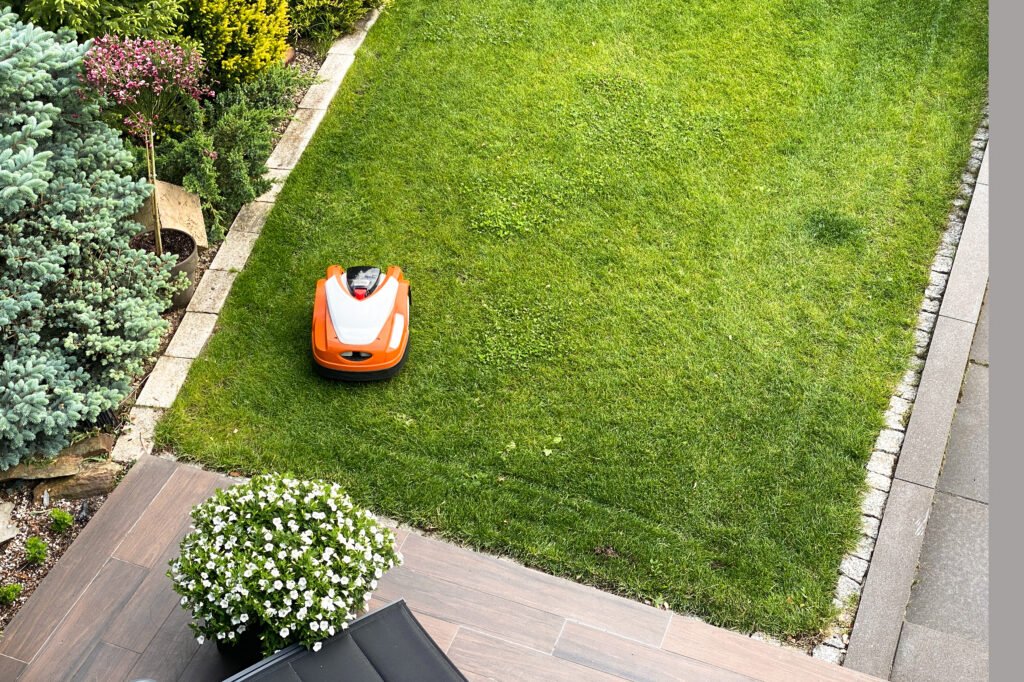
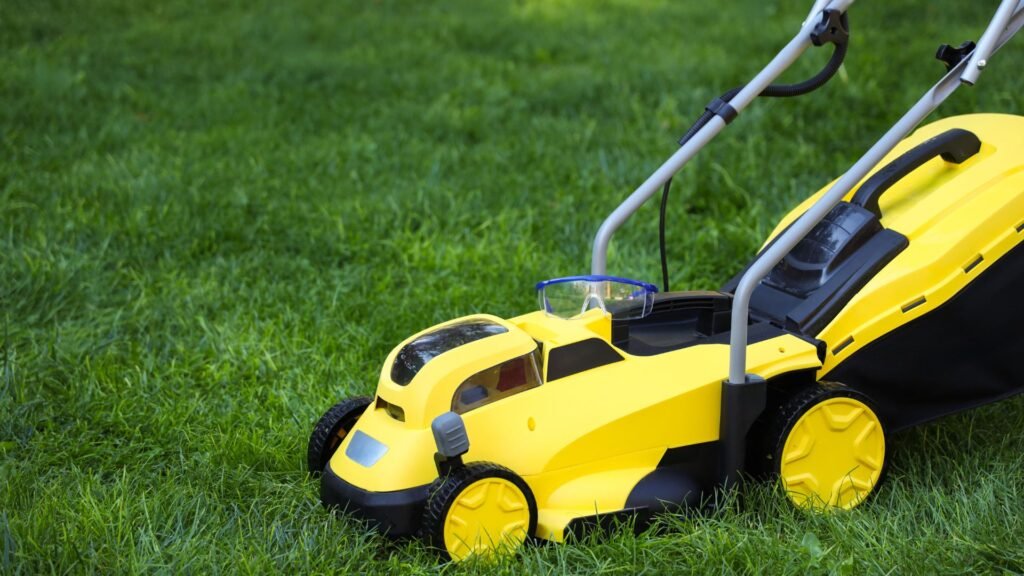
After you mow, just leave the short grass clippings where they fall. As they break down, many of the nutrients return to the soil. Whether you’re using a standard mower, a mulching mower, or a robotic mower, you can take advantage of grasscycling. If you’re on the hunt for a good robotic mower, Mowing Magic’s Robot Mower Finder can help you narrow down your options.
No matter what you use to take care of your yard, don’t leave big wet piles behind. Mow often enough so that you’re cutting no more than a third of the grass blade at a time, and if your clippings clump together, just spread them out or collect the excess.
Third, Give Your Leaves A New Job
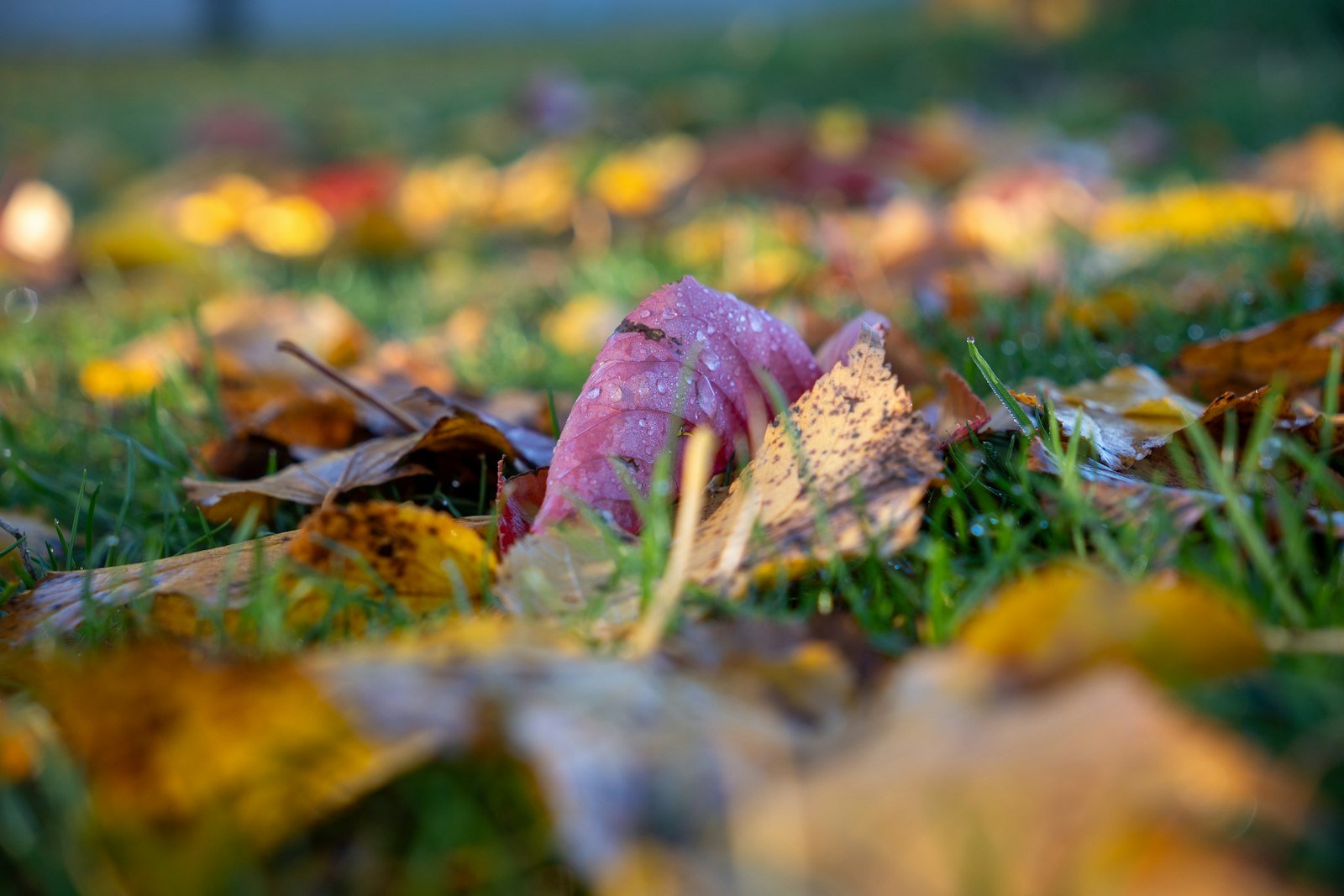
Tired of raking your lawn? With natural lawn care, you definitely don’t have to rake as much as you thought. When leaves are scattered and dry, all you have to do is run the mower over them. This allows the tiny pieces to settle between the blades of grass and decompose, which adds nutrients and organic matter back into the soil. Plus, that’s one less bag you have to drag to the curb.
However, if your leaves become a thick blanket over the grass, this blocks sunlight and can smother the lawn. Just make sure you’re able to see about half the grass after you’ve done mulching. If you can’t, just move some of the leaves to the compost pile. At the end of the day, it’s a much easier situation than just bagging everything.
Fourth, Be Picky About What Compost You Add
One of the best parts about compost is how it can improve the soil structure and help it hold more moisture. But it doesn’t mean every lawn needs another layer every fall. If your soil test shows low organic matter, or you’re trying to improve poor soil, a light top dressing of finished compost might help.
Whatever you do, just don’t overdo it. Too much compost can add too much phosphorus to the soil, which can eventually wash into nearby waterways and cause more issues than benefits. And if your lawn is already doing well, just keep recycling leaves and clippings.
Finally, Mow and Water for the Grass You Have
While it can be tempting to go and overhaul your entire lawn care routine, not every lawn needs the same treatment. Tall fescue keeps growing in cooler weather while Bermuda and zoysia grasses typically slow down as winter and the cooler temperatures arrive. All you have to do is match your mowing height to the grass type and keep the blade sharp.
If you have tall fescue, mow it to about 3 or 4 inches. And don’t forget to water the soil when it actually needs it, not just because you have the sprinkler set to run every Tuesday. In most cases, established lawns benefit from a deeper watering as opposed to regular watering and frequent little sprinkles.
If you’ve got warm-season grass, don’t push a late nitrogen feeding. It needs time to settle into dormancy. If you’re looking for seasonal reminders and tips and tricks to keep your lawn looking great, Mowing Magic’s monthly lawn maintenance schedule is a handy reference.
Start With One Change
Don’t overdo your lawn care routine, and definitely don’t redo your whole routine this weekend. All it takes is a few simple steps, even just one change: leave the clippings next time you mow, mulch a light layer of leaves, or get the soil tested this week before you buy anything else. Even one small change can help you understand what your yard needs.





![Types of Lawn Mower Blades Expert Guide to Choosing the Right One [2026]](https://mowingmagic.com/wp-content/uploads/2026/01/Types-of-Lawn-Mower-Blades-Expert-Guide-to-Choosing-the-Right-One-2026-1024x576-optimized.jpg)