


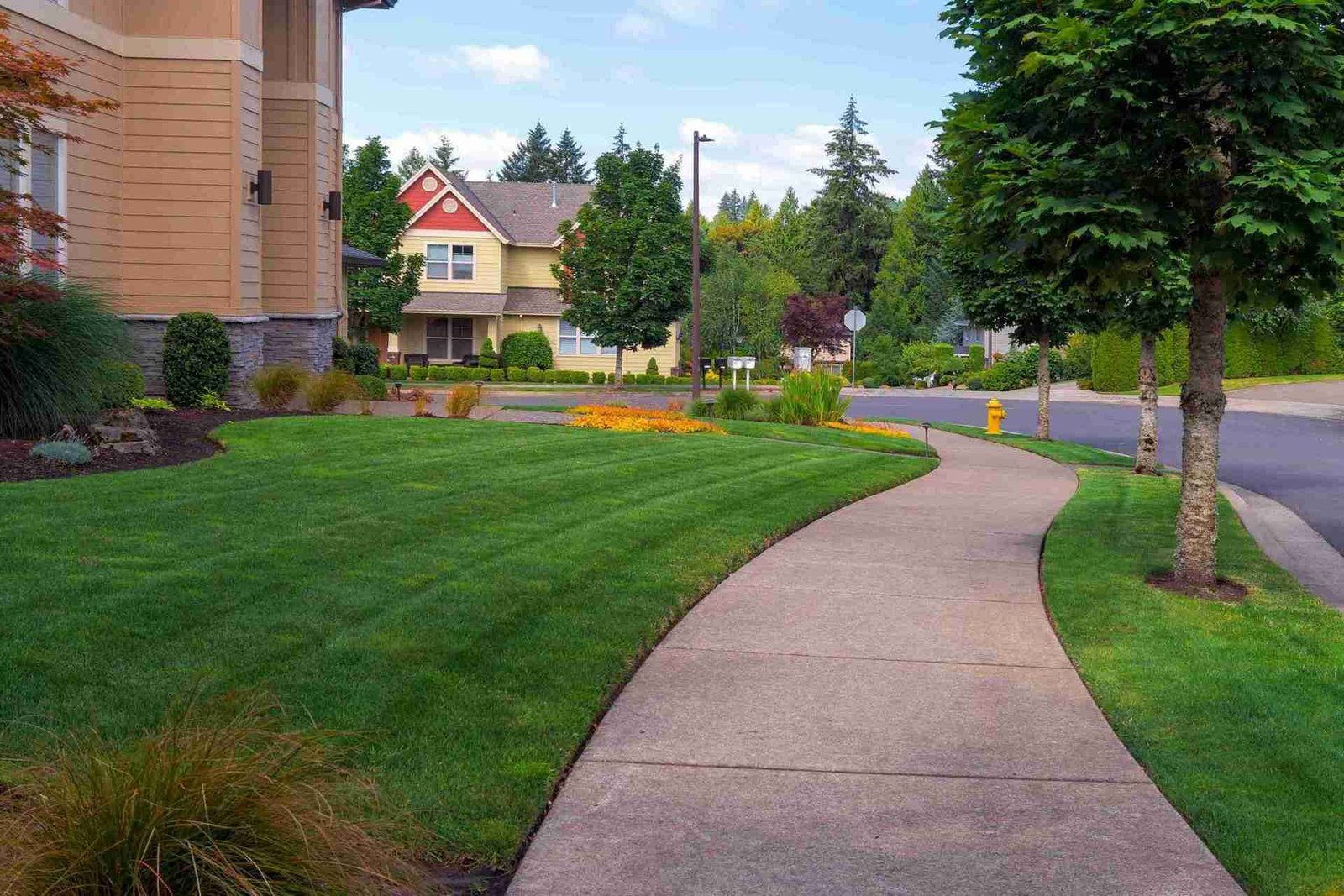
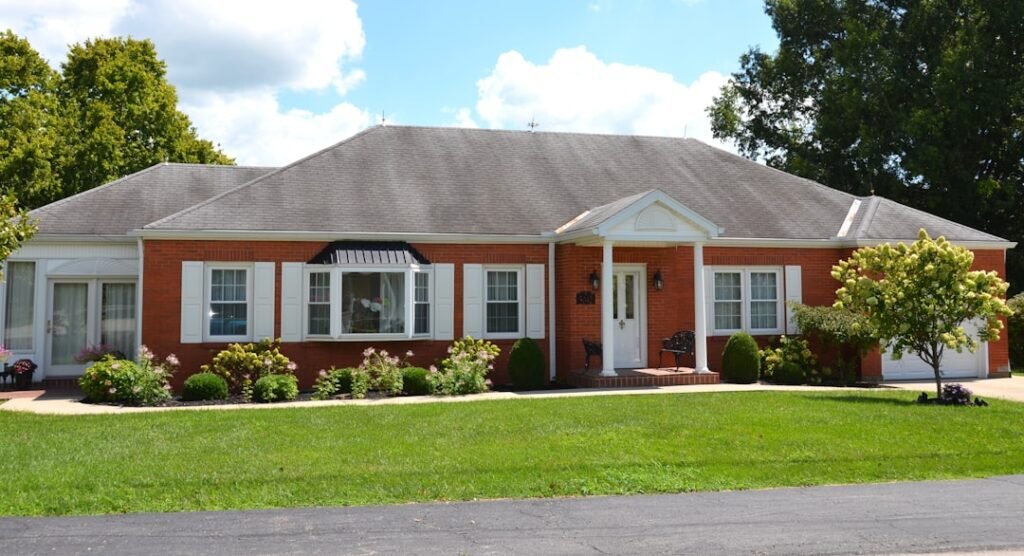
Buyers in Northern Virginia judge a house from the listing photo, and the front yard fills much of that frame. The good news is that the cheapest exterior work pays back best. The catch in this region is timing: cool-season lawns, clay soil and deer all run on a calendar, and much of the work has to happen months before the sign goes up. (For the bigger-picture case on why landscaping sways buyers, see our guide to lawn makeovers that attract home buyers.)
What pays back, in dollars
Two national surveys put numbers on it. The National Association of Realtors’ 2023 Remodeling Impact Report on outdoor features asked Realtors and landscape pros what projects cost and what they add at sale. The 2025 Cost vs. Value Report does the same for remodeling jobs, including the two front-of-house projects buyers see first.
| Project | Typical cost | Share of cost recovered at sale |
|---|---|---|
| Standard lawn care service (NAR) | $415 | 217% |
| Landscape maintenance (NAR) | $4,800 | 104% |
| Tree care (NAR) | $2,875 | about 100% |
| Garage door replacement (Cost vs. Value) | $4,672 | 268% |
| Steel entry door replacement (Cost vs. Value) | $2,435 | 216% |
In the NAR survey, 74% of Realtors recommended landscape maintenance before listing, 53% recommended lawn care and 44% tree care. Routine care and the two doors facing the street return more than they cost, while bigger landscape projects roughly break even. If you have a budget of $1,000 to $3,000, spend it in that order.
1. Count backward from your listing date
Spring is the busiest listing season in Northern Virginia and the worst time to start a lawn. Tall fescue, the standard lawn grass here, establishes best from seed in late summer and early fall. Virginia Tech’s fall lawn care guidance puts the best seeding window for Northern Virginia at August 15 to September 15, with acceptable results into mid-October. Spring seedings often die in their first July.
- Listing next spring: aerate and overseed this fall, and the lawn will be thick by April.
- Listing in six to eight weeks: skip seed and lay sod on the bare patches only, not the whole yard.
- Listing in two weeks: fix the edges, beds and mowing, and leave the lawn alone. Patchy new seed under straw photographs like a construction site.
2. Spend $10 on a soil test before you spend $100 on fertilizer
Clay soils across Fairfax, Arlington and Alexandria often run acidic, and a lawn in acidic soil will not thicken no matter how much fertilizer goes down. Virginia Tech’s Soil Testing Laboratory runs a routine test for $10 per sample for Virginia residents. It reports pH and nutrients and gives a lime and fertilizer recommendation for the plants you name. Fairfax County’s Soil and Water Conservation District explains how to collect and mail the sample. Test in late summer and you will have results in time for fall seeding.
3. Do not seed and stop crabgrass at the same time
Most crabgrass pre-emergents also keep grass seed from sprouting. Put one down in March, seed the bare spots in April, and nothing comes up. If you need both, use a product labeled safe for new seedings (mesotrione is the common one), or pick one: control crabgrass in spring and save seeding for fall.
4. Move out first, then finish the yard
If you are listing the house vacant, schedule the move before the final round of yard work. A loaded truck backing onto a soft lawn leaves ruts in clay that take a season to grow out, and a crew carrying a sofa will cut through a fresh bed if it is the shortest path to the door.
When you book movers in Alexandria, VA, tell them which part of the driveway the truck should use and which route to the door keeps off the lawn and the beds. WellKnown Moving, based in Alexandria (USDOT #4224986), plans the carry path with you before move day. Show the crew where the sprinkler heads and new plantings are before they start carrying. Once the house is empty, do the final mow, edge and mulch a day or two before photos.
5. Mow at the right height, two days before the photographer
Tall fescue looks best and stays healthiest at 3 to 4 inches. A lawn scalped to 2 inches on the morning of a photo shoot shows brown stubble and clipping lines. Mow two days before the photos so the cut has settled, and mow in straight passes for clean stripes.
A robot mower helps here, since daily trimming at one height gives the most even surface you can get. (Not sure which model suits your yard? Try our Robot Mower Finder.) Buyers do notice two things: a charging dock in the front yard and perimeter wire flags along the beds. Move the dock to the side yard or out of the frame, and pull the flags before showings. Decide whether the mower stays with the house and put that in the listing agreement so it does not come up at closing.
6. Cut a clean edge on every walk and bed
Edging gives the best visual return per hour of anything on this list. A sharp line where the lawn meets the driveway, sidewalk and planting beds makes an ordinary lawn look cared for. A half-moon edger and one afternoon will cover a typical front yard.
7. Buy mulch by the yard, and lay it at three inches
Fresh mulch is the fastest way to make beds look finished. Do the math before you load the car with bags. A cubic yard covers about 108 square feet at 3 inches deep, and it takes 13.5 of the common 2-cubic-foot bags to make one yard. Before you buy, multiply the bag price by 13.5 and compare it with a delivered cubic yard from a local supplier, delivery fee included. Small jobs favor bags; whole-yard refreshes usually favor bulk.
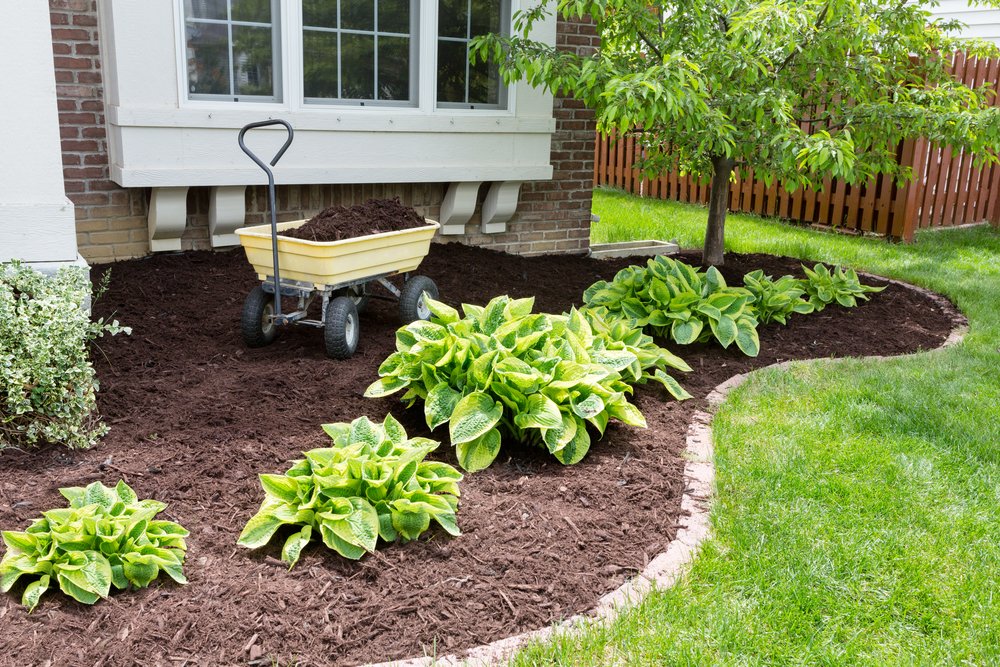
Keep it at 2 to 3 inches and pull it a few inches back from tree trunks and shrub stems. The “mulch volcano” piled against trees is common in Northern Virginia subdivisions. It holds moisture against the bark and invites rot, and a home inspector or a buyer who gardens will read it as neglect.
8. Deal with the trees buyers can see from the street
Dead limbs, branches hanging over the roof, low limbs over the walk and old stumps all hurt the first impression, and limbs over the roof often end up in the inspection report anyway. Tree care runs about $2,875 on average in the NAR data and earns back about what it costs, so focus the money on what is visible and what an inspector would flag. Have a certified arborist remove deadwood and raise low branches, and grind any stumps in the front yard, since a stump looks like a job left half done. Our guide to seasonal tree trimming covers how pruning affects the lawn underneath.
9. Plant for the season you list in, and for deer
A spring listing can lean on blooms. A winter listing needs evergreen structure near the foundation, such as boxwood, holly and inkberry. Deer are a real problem across Fairfax, Loudoun and Prince William counties, and a row of chewed azaleas or hostas looks worse than an empty bed. Choose plants deer usually leave alone, like boxwood, hellebores, liriope and ornamental grasses. Buy a few larger plants rather than many small ones: three 3-gallon shrubs read better in a photo than a dozen plugs.
10. Fix drainage before the inspector finds it
Clay soil holds water, and Northern Virginia inspectors check grading. Soil sloping toward the foundation, downspouts emptying next to the wall, or a soggy strip along the house will show up in the report and then in the negotiation, where a buyer’s “drainage concern” can cost more than the fix. Downspout extensions that carry water a few feet out are among the cheapest fixes in a hardware store. Regrade low spots so they slope away from the house.
11. Time the leaf cleanup to the city’s trucks
In October and November a yard can go from tidy to buried in a week. Alexandria runs free curbside leaf vacuuming for homes on city trash service, with three passes per season starting in early November (the 2025 program began November 3) and a start date set by zone; the city’s leaf collection map shows your dates. Rake to the curb just before your zone’s pass, schedule the last cleanup within a day or two of the photos, and do it again before the first open house. In Fairfax County and other jurisdictions, check your own collection schedule so bagged leaves are gone before buyers arrive.
12. Check the rules, and call 811 before you dig
Many Northern Virginia HOAs require approval for exterior changes such as fences, front door colors and some plantings, and an unapproved change can cause trouble at resale. In Alexandria’s historic districts, changes visible from a public street generally need Board of Architectural Review approval, so a new front door or fence there takes planning, not a weekend.
Before you dig a new bed, set fence posts or plant a tree, contact VA811. Virginia requires notice at least three working days before digging, excluding weekends and holidays, and the marking service is free for homeowners. Hitting a buried line costs far more than the wait.
If you only have a weekend and $500
Edge, mulch the front beds, mow at the right height, pressure-wash the walk and steps, and set a few healthy evergreen shrubs in pots by the door. That covers most of what a buyer sees in the first ten seconds. It is the same routine care that, by the NAR numbers, returns about twice what it costs, and it leaves the bigger decisions, like the garage door, for the money you have left.







![Types of Lawn Mower Blades Expert Guide to Choosing the Right One [2026]](https://mowingmagic.com/wp-content/uploads/2026/01/Types-of-Lawn-Mower-Blades-Expert-Guide-to-Choosing-the-Right-One-2026-1024x576-optimized.jpg)