
If you’ve ever stepped onto your lawn and felt the ground give way like a soft trampoline, you’ve met a mole. If you’ve noticed thin, papery trails winding through your grass once the snow melts, you’ve met a vole. Most homeowners lump these two in with grubs, ants, and mosquitoes under one big “pest control” umbrella — but moles and voles aren’t insects at all. They’re mammals, they behave completely differently from anything else on your pest radar, and the fixes that work on bugs won’t touch them.
This one gets overlooked because the damage looks cosmetic at first — a raised ridge here, a soft spot there — until you’re staring at a yard that looks like it survived a mini earthquake. Let’s break down what’s actually happening underground and what to do about it.
Moles vs. Voles: They’re Not the Same Problem
It’s easy to mix these two up since they both leave a wrecked-looking lawn behind, but they’re solving completely different problems for themselves.
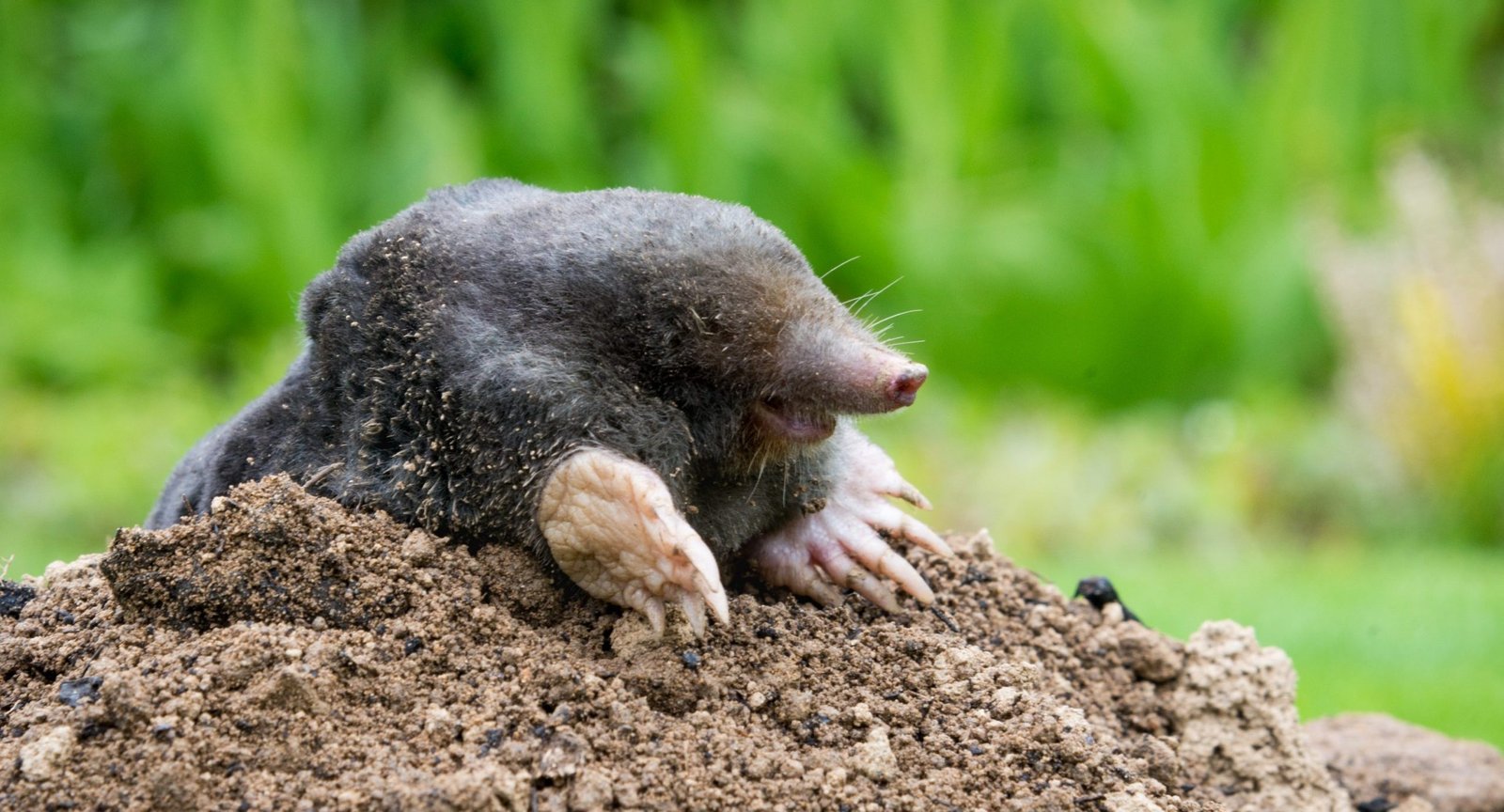
Moles are small, nearly blind insectivores with oversized, paddle-like front feet built for digging. They’re not after your grass, your bulbs, or your garden — they’re after the earthworms, grubs, and soil insects living just under the surface. A mole tunnel is a byproduct of a mole hunting for dinner. The raised, winding ridges you see are surface tunnels; the volcano-shaped mounds are where a mole pushed dirt up from deeper “highway” tunnels.
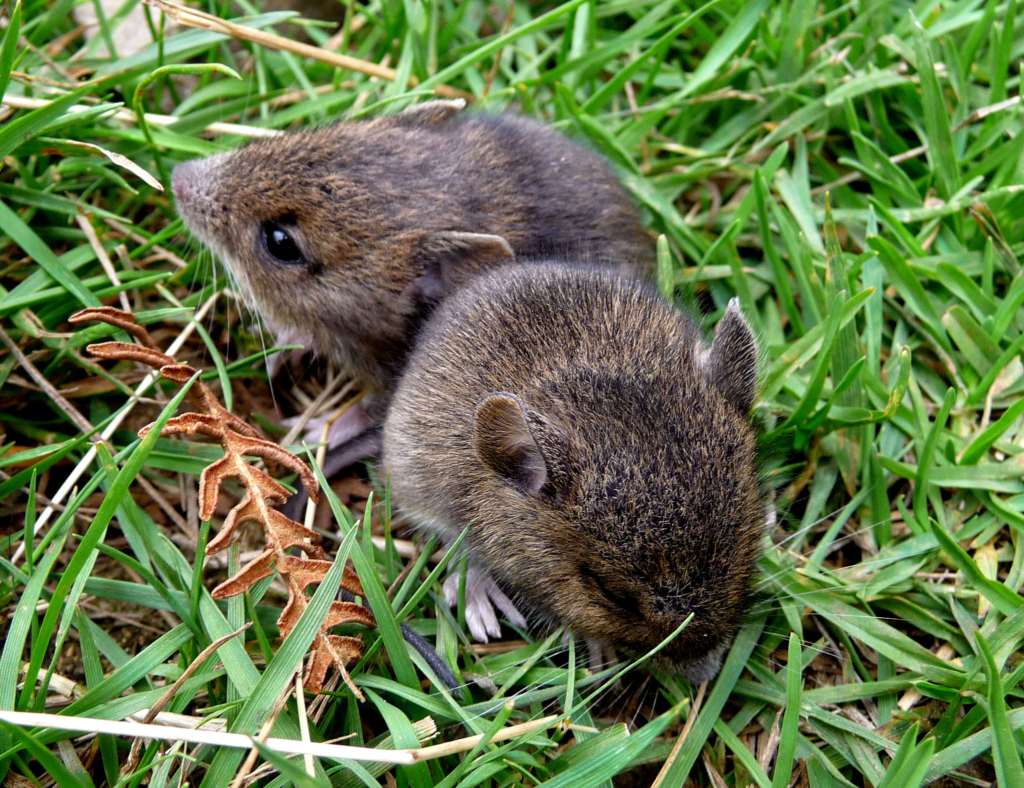
Voles, on the other hand, are small rodents — closer to a field mouse than anything else — and they’re strict vegetarians. They don’t dig their own elaborate tunnel systems as often; instead, they take over mole tunnels and runways and use them as cover while they gnaw on grass roots, bulbs, bark, and root systems. The telltale sign of voles is a network of narrow, above-ground runways about an inch or two wide, often most visible right after snowmelt in late winter.
Here’s the twist: the two are often connected. Moles show up because your lawn has a healthy population of grubs and worms. Voles show up because moles already built the tunnel network they like to travel through. Treat the mole problem, and you often shrink the vole problem right along with it.
How to Tell Which One You Have
- Raised, winding ridges of pushed-up soil → moles
- Volcano-shaped dirt mounds with no visible entry hole → moles
- Flat, narrow above-ground runways through the grass, especially visible after snow melts → voles
- Chewed bark at the base of young trees or shrubs, or bite marks on bulbs → voles
- Both mole ridges and thinner runways crossing them → you likely have both, with voles piggybacking on mole tunnels
Getting Rid of Moles
Because moles are after food, not your lawn itself, the most effective long-term fix is cutting off their food supply.
- Treat for grubs first. If your lawn has a heavy grub population, moles will keep coming back no matter what else you do. A grub treatment (or beneficial nematodes applied in late summer) addresses the actual reason moles are interested in your yard in the first place.
- Traps are the most reliable direct control. Scissor-jaw and harpoon-style mole traps placed in active, straight-line tunnels (not the branching “exploratory” ones) are widely considered the most effective method for actually removing a mole, rather than just moving it next door.
- Castor oil-based repellents can help as a deterrent. These won’t kill moles, but they make the soil unpleasant enough that moles often relocate. They work best as a supporting tactic, not a standalone fix.
- Skip the gimmicks. Ultrasonic stakes, chewing gum, and vibrating pinwheels have a long history of homeowner use and a short history of actually working. Save your money.
Getting Rid of Voles
Voles respond to a different strategy since they’re after your plants, not your soil insects.
- Mow regularly and keep grass low, especially heading into fall and winter. Tall grass and thick thatch give voles cover to travel and nest undetected.
- Clear brush piles, dense ground cover, and mulch pulled away from tree trunks. Voles love cover, and a 3-4 inch gap of clear ground around trees and shrubs makes it much harder for them to gnaw on bark unnoticed.
- Use hardware cloth guards around the base of young trees and valuable shrubs — this is often the single best way to prevent the expensive kind of vole damage (a girdled, dead sapling).
- Snap traps baited with peanut butter or apple slices, placed directly in active runways, are the most effective direct removal method for voles.
- Repellents with castor oil or predator urine can reduce activity but work best combined with habitat cleanup rather than alone.
When to Call in a Professional
If you’re seeing new mole ridges appear every few days across a large section of lawn, or vole runways spreading across most of your yard, it’s usually a sign of an established population rather than a passing visitor. At that point, a professional wildlife or pest control service can assess tunnel density, treat grub populations at scale, and set up a trapping program that would take a homeowner weeks to replicate. It’s not a sign you’ve done anything wrong — some properties, especially those bordering wooded areas or fields, are simply more attractive to these animals than others.
The Bottom Line
Moles and voles aren’t part of the usual insect-and-weed conversation, which is exactly why they catch so many homeowners off guard. The fix isn’t a single spray or a one-time treatment — it’s a combination of removing what attracts them (grubs for moles, cover and food for voles) and directly trapping the ones already there. Handle the underlying food and habitat issue, and you’ll spend a lot less time patching up a lawn that looks like it’s been through a demolition derby.