
Fall is the time of year when the outdoor temperatures start to get cooler after a long, hot summer. Many people appreciate the cool weather and changing climate of the new season, but they don’t think enough about the changes they bring to their property.
Depending on where you live in the world, you might see the leaves falling off your trees and the growth rate of your grass slowing down significantly. Should you just let the fallen leaves remain on the grass, or should you bag them and continue mowing your grass?
Let’s explore four helpful fall lawn care tips to consider to preserve the health and appearance of your property’s grass this season:
1) Pick Up or Mow the Leaves
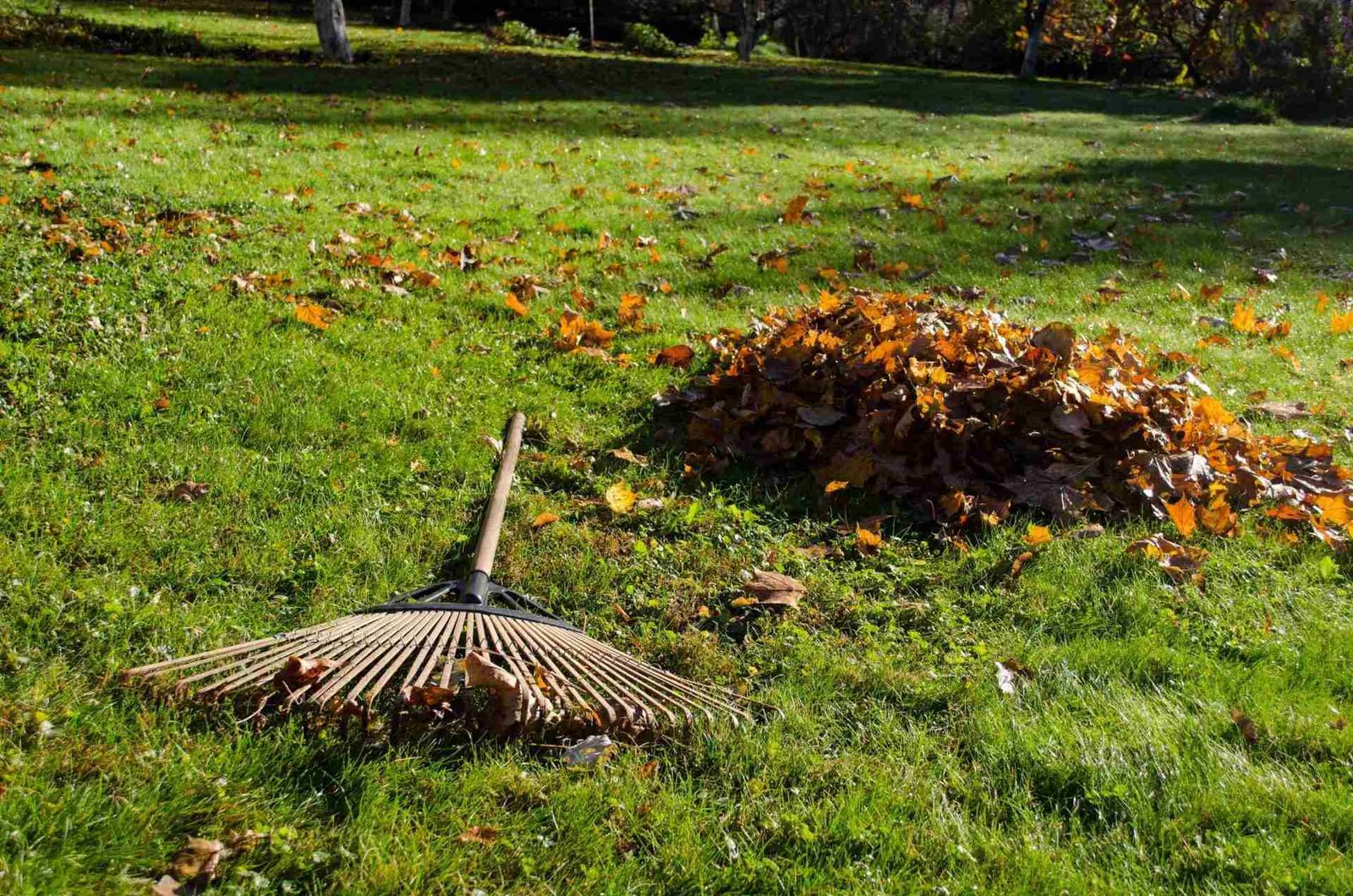
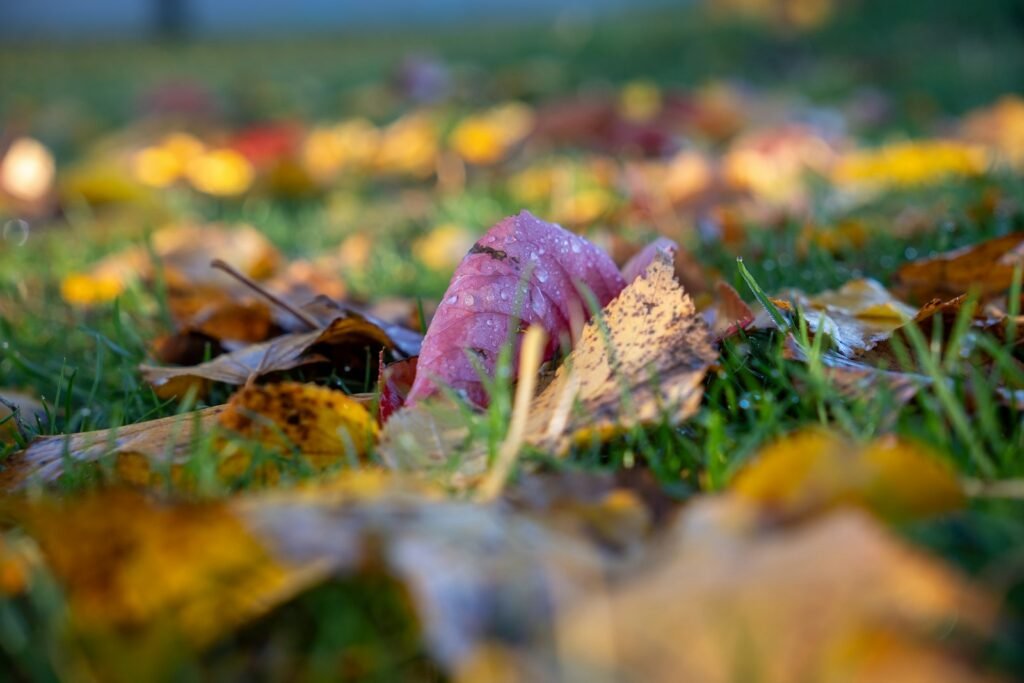
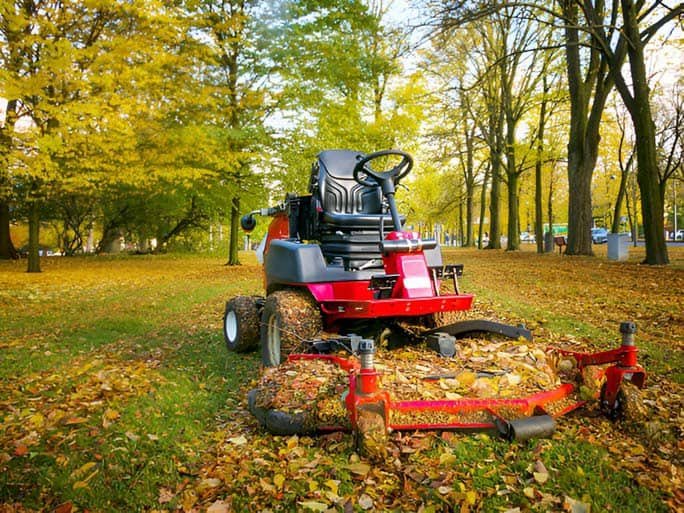
Fallen leaves can suffocate your grass if they cover them for too long because they block essential air and sunlight from reaching them, resulting in the prevention of photosynthesis from taking place. Once this happens, the grass will turn yellow and start to die. You obviously wouldn’t want that to happen.
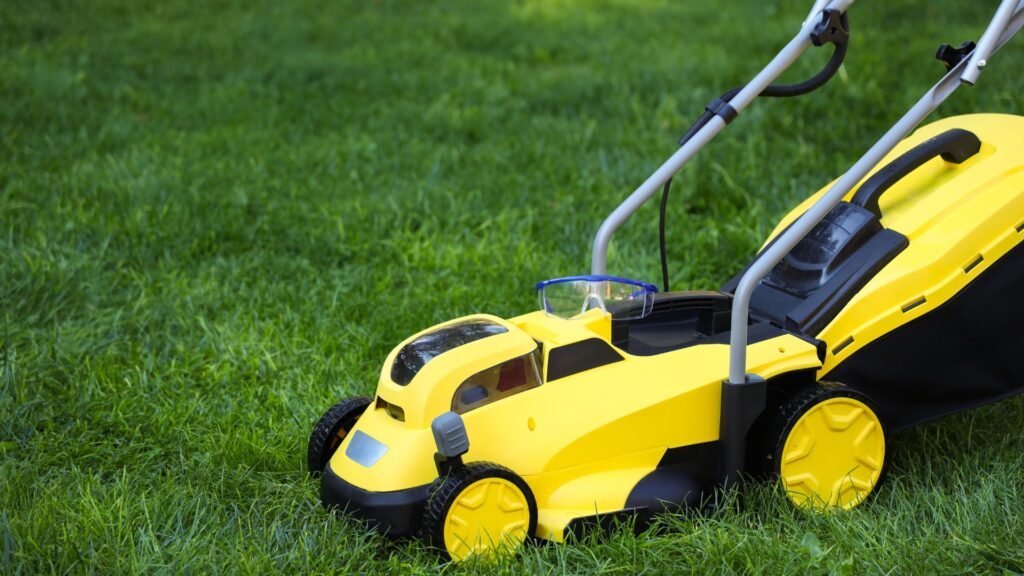
Therefore, picking up the piles of leaves from your grass and putting them in bags is the most logical thing to do. However, if you don’t want to do that, you could consider using a mulching mower to mow over the leaves and shred them into little pieces. These shredded leaves can now provide nutrients to your grass.
Some people find that shredded leaves will still allow enough sunlight and air to get through without needing to pick them up. Again, it all depends on how many leaves you have on the ground and the climate of your geographical location.
2) Continue Mowing Your Lawn
Your grass may not grow as fast during the fall, but that doesn’t mean you should stop mowing it. Continue to mow your lawn throughout the fall season as long as it is still growing. It will help maintain the density and compactness of your grass for a better and healthier appearance.
Since the grass growth slows down in the fall, you probably won’t need to mow your lawn as frequently as you did in the summer. Just keep track of how long your grass gets after about 1 to 2 weeks to know how frequently you need to cut it.
3) Understand the Grass Types and Their Height Differences
Not all grass types should have the same height. Different types have different recommended height requirements based on how well they grow in cool and warm outdoor temperatures. You need to understand these requirements to know whether your lawn needs a short cut or not.
For example, tall fescue and Kentucky bluegrass are examples of cool-season grasses with deeper root systems than warm-season grasses. They continue to grow exceptionally fast, even in the cooler fall temperatures of between 60°F and 75°F. Because of this, you should keep these cool-season grasses at around 3 to 4 inches tall to preserve their health and appearance.
Warmer season grasses, such as St. Augustine and Bermuda, have slower growth in the fall due to the cooler weather outside. For this reason, they’ll need a shorter or standard cut so that they are kept at around 1.5 to 3 inches tall.
4) Conduct a Soil Test for the Right Fertilization
The summer can put a lot of stress on your grass due to the higher temperatures, drought, and excessive outdoor human activity. Once the fall season arrives, it is time to help your grass recover from the summer by providing the best fertilization possible for your grass.
Are you unsure about how to treat your grass? A soil test can show you the specific levels of nitrogen, potassium, phosphorus, and pH in your lawn’s soil. The first three are vital nutrients that your lawn needs to stay healthy and resilient to the cooler temperatures. If the test shows any deficiencies in these three nutrients, you’ll know that you need to add them to your lawn manually.
A soil test will also determine the pH value of your soil so that you know whether it is too acidic or not. Most experts recommend the pH value to be around 6 to 7. Anything lower than that is too acidic and will cause nutrient deficiency and root damage to your grass. Anything higher will make it more difficult for your grass to absorb the nutrients from the fertilizer.
How to Begin
Fall lawn care doesn’t have to be difficult. It merely involves taking some time to understand the type of grass you have and how the surrounding temperatures impact its health, growth, and soil. Perhaps you could seek further advice from your neighbors or some local lawn experts to help put you on the right path.
Good luck!