

Not Every Lawn Is Easy to Automate
A robot lawn mower can make routine grass cutting easier, but not every yard is straightforward to maintain. Trees can interfere with positioning signals, narrow passages may limit movement, and uneven ground can affect traction. Even a relatively small lawn can present challenges if it has several separate sections or complicated boundaries.
That is why choosing a mower based on lawn size alone can lead to disappointment. The more useful approach is to identify the conditions that make your yard difficult to maintain, then look for a model with features designed to handle those specific challenges.
Start by Identifying Your Lawn’s Biggest Challenge
Before choosing a robot mower, take a closer look at your garden. Measure the actual grass area, then identify any features that could affect mowing. Are there trees or buildings that may interfere with positioning signals? Are there narrow passages between lawn sections? Does the ground have steep slopes, uneven patches, or several separate mowing zones?
Also consider how you want to handle grass clippings. Mulching may be enough for some lawns, while others benefit from a mower that collects and empties clippings automatically.
You do not need to prioritize every feature. Focus on the one or two conditions that make your lawn hardest to maintain, and use those as the starting point for comparing models.
For Narrow Passages and Tight Corners
Gardens with narrow pathways, tight corners, or several connected lawn sections need a mower that can navigate limited space without getting stuck. Before buying, measure the narrowest passage and check the mower’s dimensions and minimum clearance requirements. A compact design can also make it easier to move around smaller garden layouts.
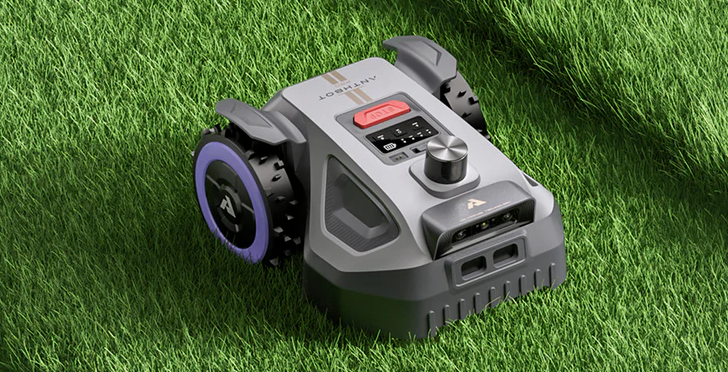
For lawns up to 500㎡, the ANTHBOT M5 is one option to consider. It combines RTK positioning with Dual Vision navigation in a compact, wire-free design. However, navigation technology alone does not guarantee that a mower can pass through every tight gap. Always compare the mower’s required passage width with your garden measurements before making a decision.
For Tree Cover and Complicated Lawn Layouts
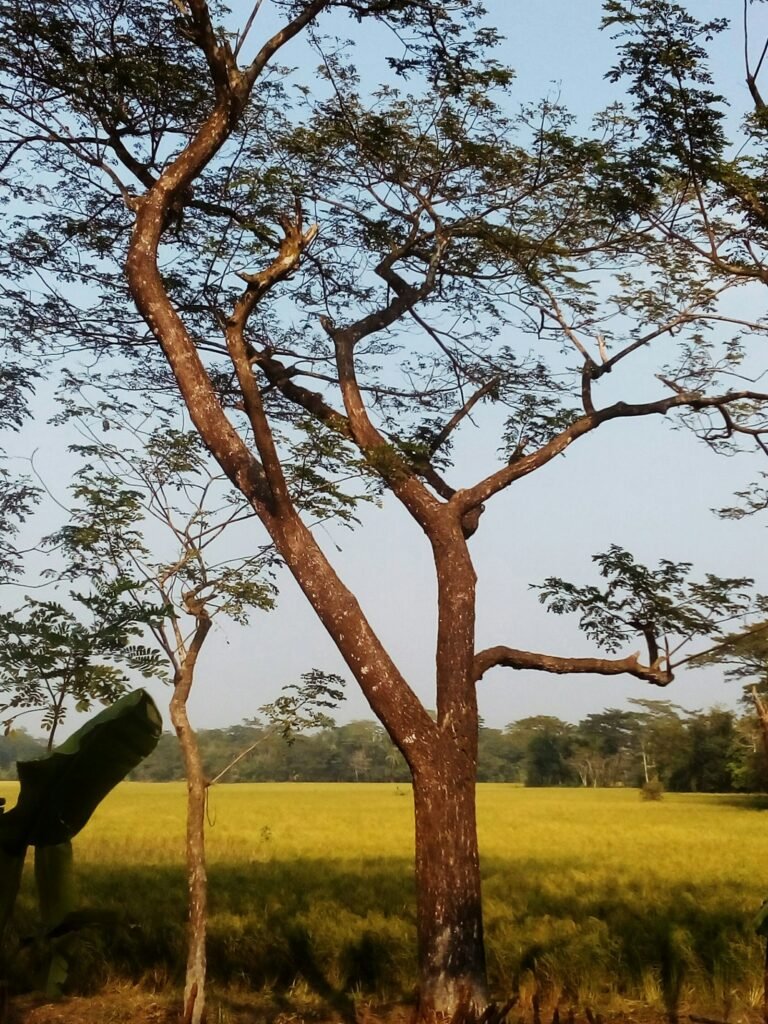
Trees, buildings, and multiple lawn sections can make navigation more challenging, particularly when satellite signals are partially blocked. In these gardens, look for a mower that combines different positioning technologies with reliable mapping and multi-zone management. This helps it navigate varied conditions and maintain separate mowing areas without requiring constant manual adjustments.
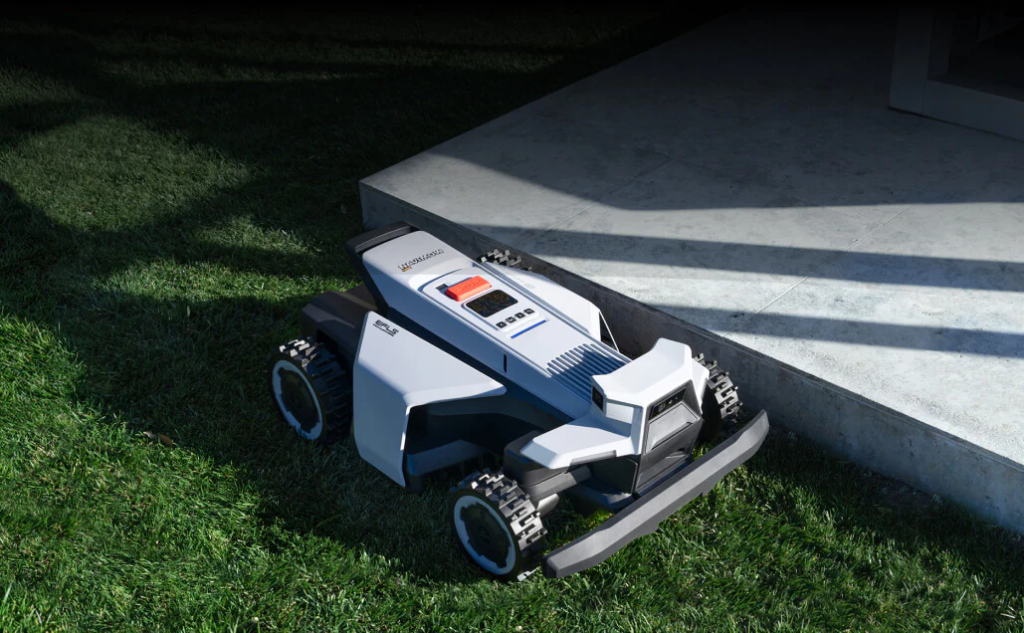
The ANTHBOT M5 Pro, designed for lawns up to 500㎡, uses HoloSense Quad-Fusion technology, combining 360° LiDAR, RTK/NetRTK, and AI Vision. It also supports automatic mapping and multi-zone management, making it worth considering for gardens with complex layouts. Its AI Vision can recognize more than 1,000 types of obstacles, helping it respond to objects around the lawn. However, dense tree cover and obstructed areas can still affect navigation, so check the garden’s conditions before choosing a model.
For Slopes and Uneven Ground
If your garden has sloping sections or uneven terrain, pay close attention to the mower’s climbing ability and traction. Check the manufacturer’s maximum slope rating, but remember that this figure does not guarantee the same performance on every surface. Wet grass, loose soil, bumps, and sharp turns can all make climbing more difficult.
Look for a model with suitable wheels, stable traction, and enough ground clearance to handle minor surface variations. If your lawn has steep inclines, check whether the stated slope limit applies to the entire mowing area or only specific conditions. For particularly uneven gardens, a quick assessment of the terrain can help you avoid choosing a mower that struggles during everyday use.
When Grass Clippings Become Another Chore
For larger lawns, dealing with grass clippings can take almost as much effort as mowing. Mulching returns fine clippings to the soil, but longer grass or heavy growth may leave visible cuttings that need clearing. If you prefer a tidier lawn with less manual work, consider a mower with a collection system.
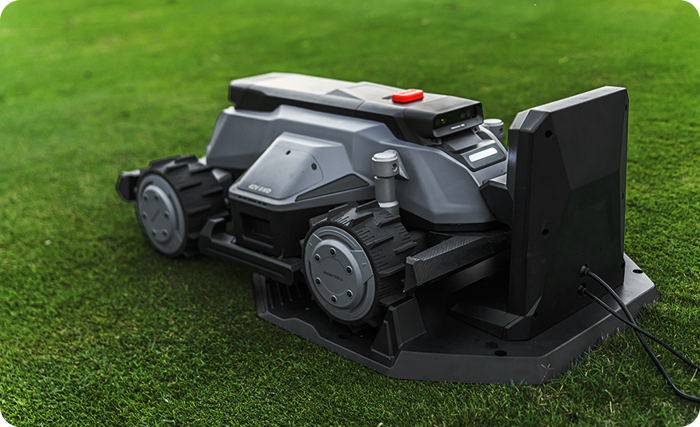
The ANTHBOT N8, designed for lawns up to 1,500㎡, combines mowing, mulching, grass collection, and leaf sweeping. Its 23L collection bag can also empty automatically, reducing the need to handle clippings after every mowing session. This type of system is worth considering if your garden produces a lot of cut grass or seasonal leaves, although collection capacity and emptying frequency will depend on how quickly vegetation builds up.
What to Check Before Installing a Robot Mower
Even a mower with advanced navigation needs a suitable setup. Before installation, check a few practical details:
- Passage width: Make sure narrow routes between lawn sections meet the mower’s clearance requirements.
- Charging station: Choose a level, accessible location with a nearby power supply and enough room for the mower to dock.
- Signal conditions: Check whether trees, walls, or buildings could affect positioning and navigation.
- Mowing zones: Identify separate grass areas and confirm the mower supports the number of zones your garden needs.
- Obstacles and boundaries: Mark flowerbeds, ponds, paths, and other areas that should be excluded from mowing.
A little preparation can prevent navigation problems and reduce the need for adjustments after the mower starts working.
Match the Mower to the Problem, Not Just the Lawn Size
The right robot lawn mower depends on more than how many square metres it can cover. A compact model may suit a small garden with tight passages, while a mower with advanced positioning and multi-zone mapping may be more appropriate for a lawn with trees and separate sections. Larger gardens may also benefit from automatic grass collection.
Before buying, consider your garden’s layout, terrain, signal conditions, and maintenance needs. Compare these requirements with the mower’s actual specifications rather than relying on headline coverage figures alone. Choosing a robot mower model that addresses your lawn’s biggest challenges is more likely to deliver reliable, convenient mowing over time.