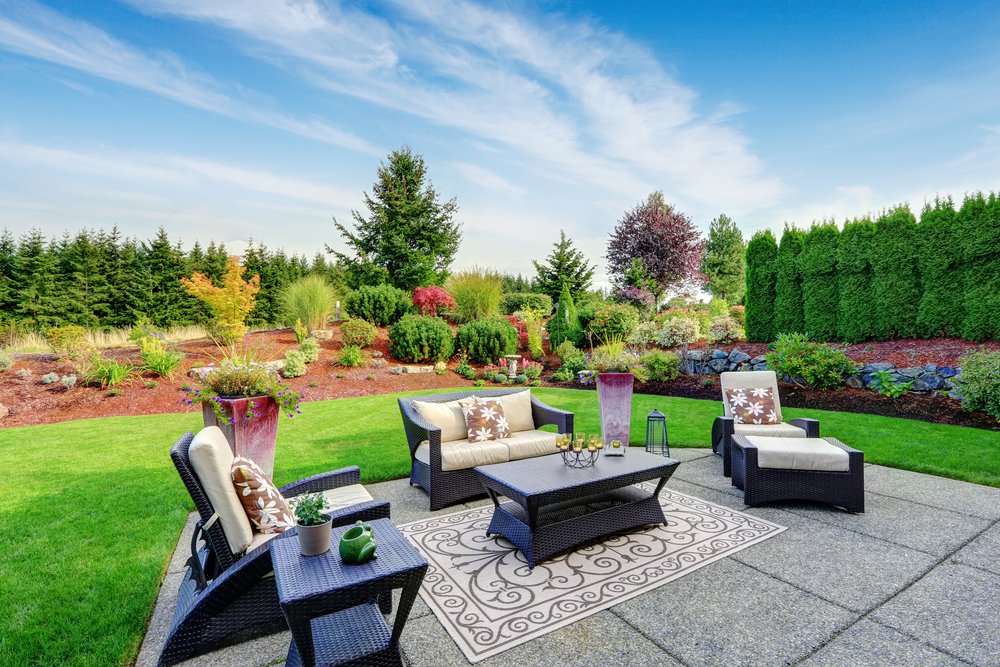

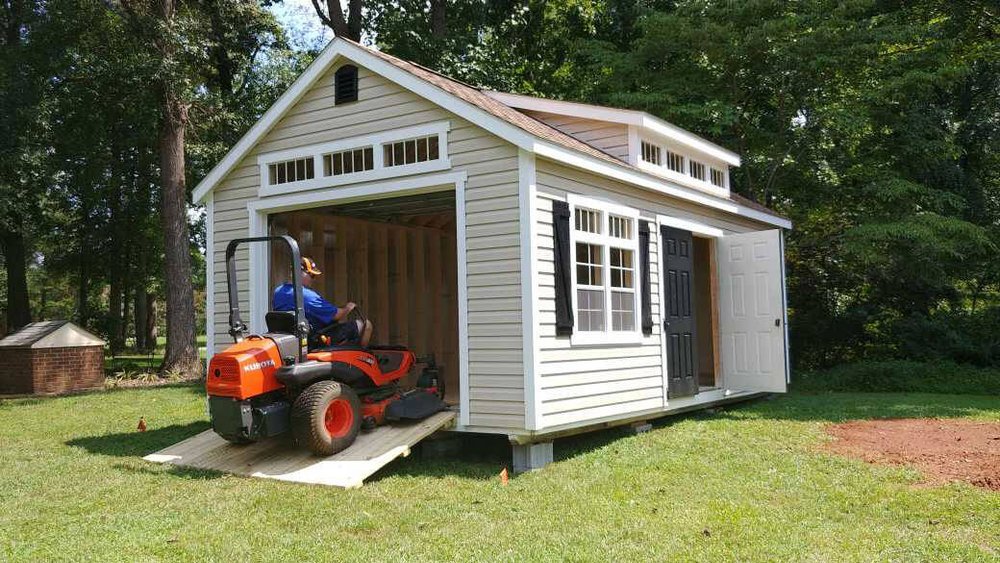
A beautifully manicured lawn is a source of pride for many Australian homeowners. However, while we spend weekends perfecting our garden beds and programming our robot mowers, we often overlook the heavy-duty appliances sharing that same outdoor space. Your home’s exterior heating and cooling units are highly sensitive to their surrounding environment. In fact, replacing a severely damaged compressor or outdoor coil in Australia can easily cost between $2,000 and $5,500. A significant number of these costly repairs can be completely avoided by implementing a few smart, protective landscaping strategies.
The Hidden Impact of Yard Work on Heating and Cooling
Most homeowners understand that large branches or falling trees pose a risk to their property. Yet, the most common threat to outdoor utilities is actually microscopic. During the dry summer months, traditional push mowers and string trimmers kick up fine silt, dust, and grass clippings. If this flying debris is constantly directed toward your outdoor unit, it quickly coats the delicate fins of the condenser coil.
When dirt and grass pack tightly into these coils, they choke off the heat rejection process. A choked unit forces the internal compressor to pump much harder against high internal pressures, which can increase the system’s energy consumption by up to 30 percent. To maintain maximum energy efficiency, it is crucial to landscape carefully around your exterior air conditioner so that the outdoor cabinet remains completely free of grass clippings and soil. A well-maintained residential split system typically lasts 15 to 20 years, but units consistently choked by restricted airflow or landscaping debris may suffer premature mechanical failure in just 8 to 10 years.
Establishing Safe Boundaries and Airflow Clearances
Beyond keeping the unit clean, maintaining adequate physical space around your cooling equipment is essential for proper ventilation. Australian installation best practices generally require a minimum clear zone of 300mm in all lateral directions from the outdoor unit. Furthermore, the fan discharge side ideally requires one to one and a half metres of completely unobstructed space.
If vegetation or hardscaping is placed too closely to the unit, it can cause hot-air recirculation. This happens when the unit breathes in its own hot exhaust, severely dropping its overall performance. Restricted airflow does not just inflate your electricity bills, as it can also cause serious mechanical strain. According to a complete troubleshooting guide from the Erie Institute of Technology, a primary cause of an AC system constantly turning on and off is a dirty condenser coil, and homeowners must ensure the outdoor unit is clear of debris to prevent future breakdowns.
Practical Landscaping Solutions for Equipment Zones
The most effective way to protect your outdoor appliances while satisfying essential airflow clearance requirements is to establish a dedicated physical perimeter. By replacing the grass immediately surrounding the unit with a heavy material like river rock or thick wood chips (our landscaping cost calculator can help you price it), you eliminate the need to use string trimmers near fragile refrigerant lines.
This clear zone is also highly beneficial if you use modern automated lawn care technology. The Australian robotic lawn mower market has rapidly shifted toward Real-Time Kinematic satellite technology, meaning modern units increasingly operate without buried boundary wires. Because wire-free robot mowers rely on vision cameras and LIDAR sensors to navigate, establishing high-contrast physical borders around HVAC equipment helps these devices easily recognise exclusion zones. If you are planning to upgrade your yard to protect your equipment, you can estimate your upcoming project costs with our mulch installation cost calculator to keep your budget on track.
Best Practices for Maintaining Equipment Perimeters
Protecting your home equipment does not mean you have to sacrifice the aesthetics of your garden. By following a few simple maintenance and design rules, you can seamlessly integrate utility zones into your overall landscape plan.
Keep these landscaping tips in mind to protect your outdoor home systems:
- Create a 600mm grass-free zone of heavy mulch or river rock around the entire base of the outdoor unit.
- Always point the discharge chute of traditional push mowers away from the equipment cabinet to prevent grass clippings from clogging the fins.
- Regularly trim back overhanging vegetation and nearby shrubs to maintain the required lateral and overhead clearances.
- Avoid building solid privacy screens or tight enclosures around the unit, as these structures easily trap exhaust and cause hot-air recirculation.
- Rake or blow away autumn leaf litter around the base of the cabinet promptly, as trapped organic matter holds moisture and accelerates metal corrosion.
By treating the space around your outdoor equipment with the same care you give your garden beds, you can extend the life of your appliances and keep your cooling systems running efficiently all season long.
Planning a robot mower around your equipment zones? Take the Robot Mower Finder quiz to match a model to your yard, or read up on the most common robot mower problems and solutions.