
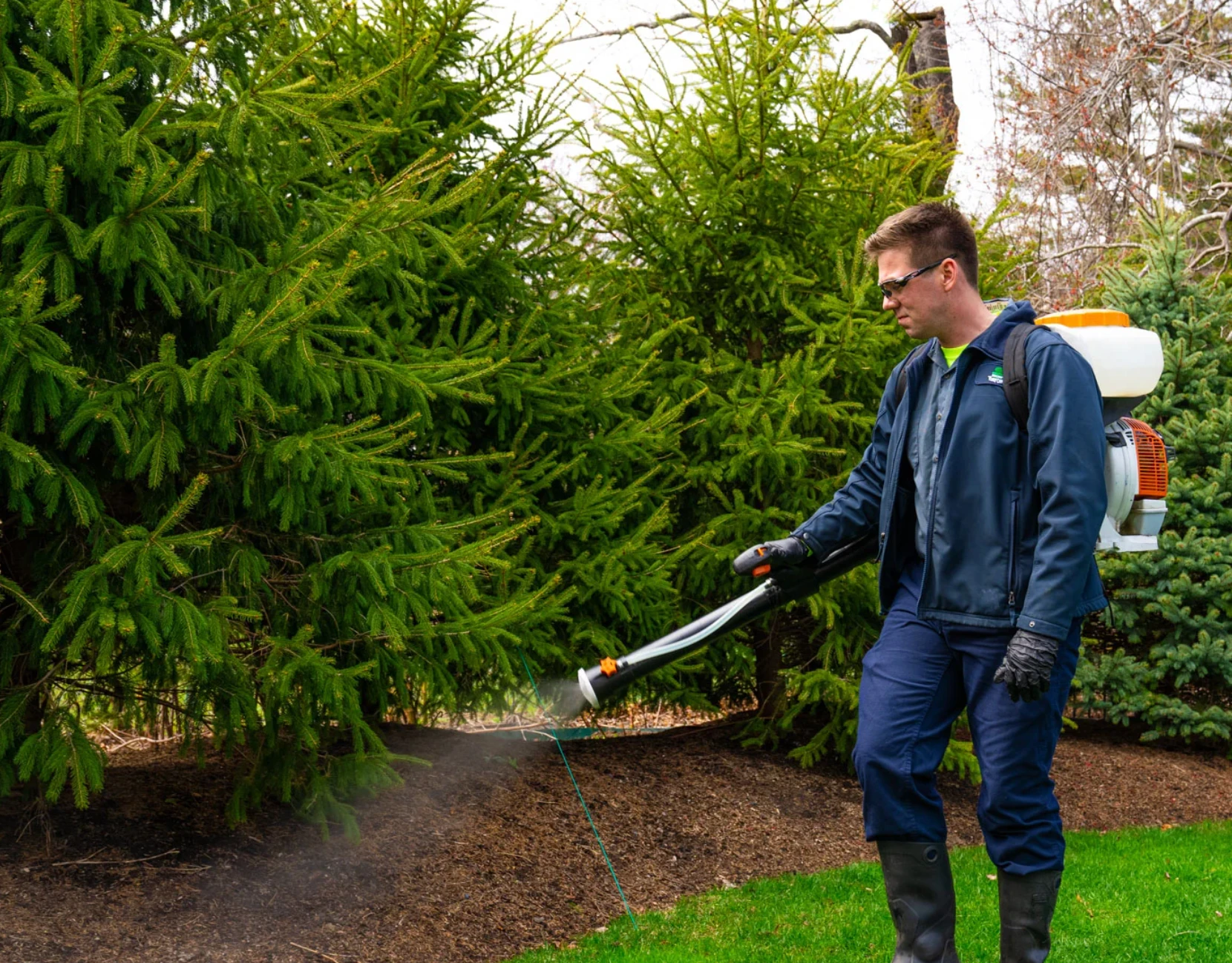
A healthy lawn in Dallas-Fort Worth has plenty working against it. Long periods of heat can stress grass, summer storms can create damp areas, and insects can move through a yard before the damage becomes obvious. When brown patches or insect activity appears, the first reaction is often to call for pest control. The problem is that not every pest damages grass, and not every treatment belongs across the entire lawn.
Good lawn pest control starts with identifying what is actually happening. Homeowners should know which insects are feeding on turf, which are simply using the yard as habitat, and what a pest control company plans to treat. Making that distinction can protect the grass while still dealing with the pests that make a yard uncomfortable.
Start With the Pest, Not the Product
Different lawn pests behave in very different ways. White grubs live below the surface and feed on roots. Chinch bugs feed on grass tissue and can cause expanding areas of damaged turf. Armyworms can remove leaf tissue quickly when populations are high. Fire ants create another problem altogether, building mounds and creating a painful stinging hazard.
That is why a good inspection matters before treatment begins. A company should be able to explain what pest it found, where the activity is concentrated, and whether the lawn itself is being damaged. DFW homeowners looking for local help can also compare providers such as Forterra Pest Control based on how clearly they explain treatment areas, pest coverage, and follow-up service.
One current turfgrass reference gives homeowners a useful sense of how varied these problems can be. A 2025-hosted Texas A&M AgriLife turfgrass guide lists six insects as frequent major pests of Texas turf, including fall armyworms, red imported fire ants, southern chinch bugs, mole crickets, and white grubs. It also stresses that treatment choices can depend on the insect’s life stage.
| Common pest | What homeowners may notice | Main lawn concern |
|---|---|---|
| White grubs | Weak turf or grass that lifts easily | Larvae feed around the root zone |
| Southern chinch bugs | Irregular yellow or brown areas | Feeding damages grass tissue |
| Fall armyworms | Grass appears chewed or thinned | Caterpillars consume leaf tissue |
| Fire ants | Raised soil mounds | Stinging risk and disruption of lawn areas |
| Mosquitoes | Activity near shade or damp areas | Outdoor comfort rather than direct turf damage |
Make Sure Lawn Damage Is Really Caused by Insects
Brown grass does not automatically mean insects are responsible. North Texas lawns can turn brown because of drought stress, watering problems, compacted soil, disease, mowing damage, or a combination of several factors. Applying insect control to grass suffering from another problem wastes a treatment and leaves the real cause untouched.
Look at the pattern first. Turf that is uniformly dry may point toward irrigation trouble. A fast-moving area of chewed grass suggests a different problem from a patch that has slowly weakened around the roots. Chinch bug damage often appears during hot conditions, while grub damage starts below the soil surface. These details help narrow the cause before anything is applied.
A pest professional should inspect more than the most visible brown patch. The surrounding healthy grass, soil surface, landscape beds, drainage areas, and edges near pavement can all provide useful clues. Treatment makes more sense once the pest and the affected area have been identified.
Ask Exactly Where the Treatment Will Go
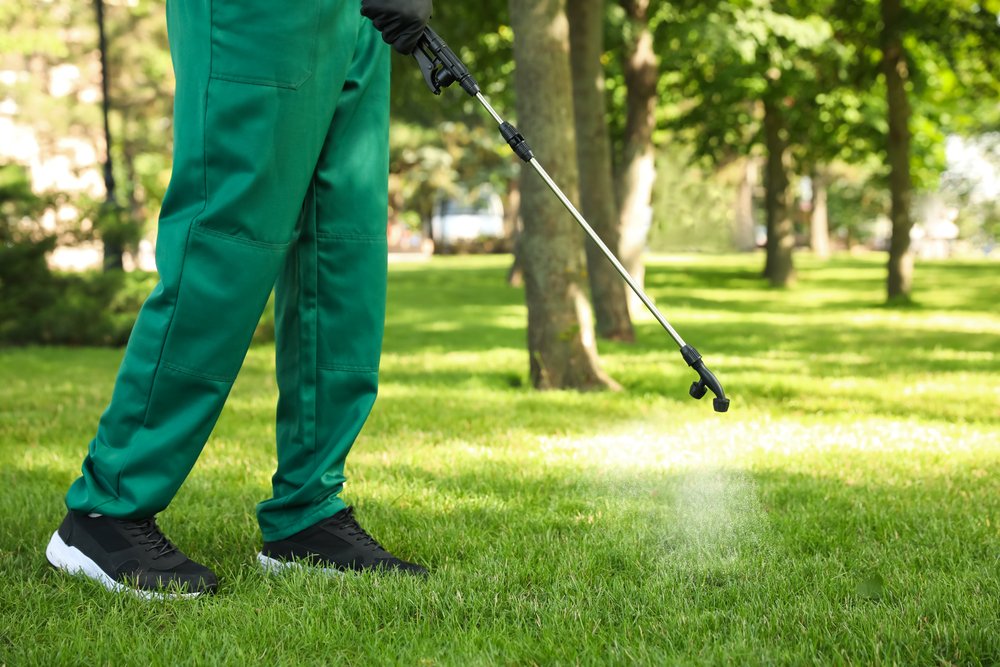
Pest control around a house can mean several different things. A perimeter application around the foundation is not the same as treating fire ants throughout the yard. Mosquito control around shrubs and shaded resting areas is different from treatment aimed at insects feeding directly on turfgrass.
This distinction matters when comparing pest control plans. Homeowners should ask whether a service includes the lawn, flower beds, foundation perimeter, eaves, entry points, or specific problem areas. They should also ask which pests are included. A plan advertised for general household pests may not include every turf insect that can damage grass.
Blanket treatment should not be the automatic answer to every problem. Targeted pest control can focus attention on the places where activity has been found. It also makes it easier for homeowners to understand what was treated and why.
Consider How Treatment Fits Your Lawn Care Routine
Pest control works alongside mowing, watering, drainage, and general lawn maintenance. Those routines can either reduce pest-friendly conditions or make existing problems harder to manage. Cutting grass too short can add stress during hot weather, while excess moisture can create favorable conditions for certain insects and other yard problems.
Timing matters too. Ask whether the lawn should be mowed before or after service. Find out whether irrigation needs to run after an application or stay off for a period of time. Homeowners should follow the specific product label and the instructions provided by the applicator rather than assuming every treatment works the same way.
Flowering weeds and landscape plants also deserve attention. Bees and other beneficial insects may visit flowers growing inside or next to the lawn. A thoughtful treatment plan should take the surrounding yard into account instead of treating turf as an isolated surface.
Compare Pest Control Companies With Specific Questions
Price matters, but it does not tell you whether a pest plan fits your property. A few direct questions can reveal much more about how a company approaches lawn and outdoor pest problems.
| Question to ask | What the answer should explain |
|---|---|
| What pest did you identify? | The specific insect or problem being treated |
| Where is it active? | The lawn, landscape beds, foundation, or another area |
| What does this service cover? | Which pests and sections of the property are included |
| Why is this treatment appropriate? | How the method relates to the identified pest |
| What should I do after treatment? | Watering, mowing, access, or other instructions |
| What happens if activity continues? | The company’s follow-up process |
Clear answers are a good sign. Vague promises to spray everything without identifying the problem should make a homeowner ask more questions.
Build a Yard That Is Easier to Protect
Pest control should not be separated from basic lawn maintenance. Fix leaking irrigation, reduce standing water, keep grass at an appropriate mowing height, and avoid letting leaves or landscape debris collect in damp corners. Watch weak sections of turf so changes are caught early instead of after a large section has been damaged.
The goal is not a yard where no insect ever appears. Many insects are harmless or beneficial. The better goal is a lawn that stays healthy while damaging pests and unwanted activity are identified early and handled in the right places.
For DFW homeowners, choosing pest control this way can prevent unnecessary treatments and make each service easier to evaluate. Know what pest you have, understand what the company intends to treat, and keep ordinary lawn care working in the same direction.