

If you’re the type of homeowner who tracks mowing schedules, compares robot mower navigation systems, and researches every piece of equipment before buying it, chances are you also want your grass to actually thrive once it’s cut. That’s where lawn pest myths quietly sabotage all that effort. You can own the smartest mower on the market and still watch your lawn decline if you’re treating the wrong problem, or treating a problem that doesn’t exist. For readers who care about getting the most out of their lawn care investment, understanding pest myths is just as important as understanding mower specs.
Many of these myths stick around because they sound logical on the surface, or because they were passed down from a neighbor, a big-box store employee, or an old gardening book that never got updated. The truth is that lawn ecosystems are more complicated than “spray it and it goes away.” Misreading the signs often leads to wasted money, unnecessary chemical exposure, and a yard that looks worse a month later. Let’s walk through three of the most persistent myths and replace them with guidance that actually holds up.
Myth #1: Brown Grass Always Means Drought
When patches of lawn start turning brown or yellow, the automatic assumption is almost always dehydration. People rush to increase watering schedules, sometimes doubling or tripling their usual irrigation, only to watch the dead patches spread instead of recover. This myth persists because drought stress is common and watering feels like an easy, low-risk fix. Unfortunately, more water on a pest problem can actually make things worse by creating ideal conditions for certain insects to keep feeding.
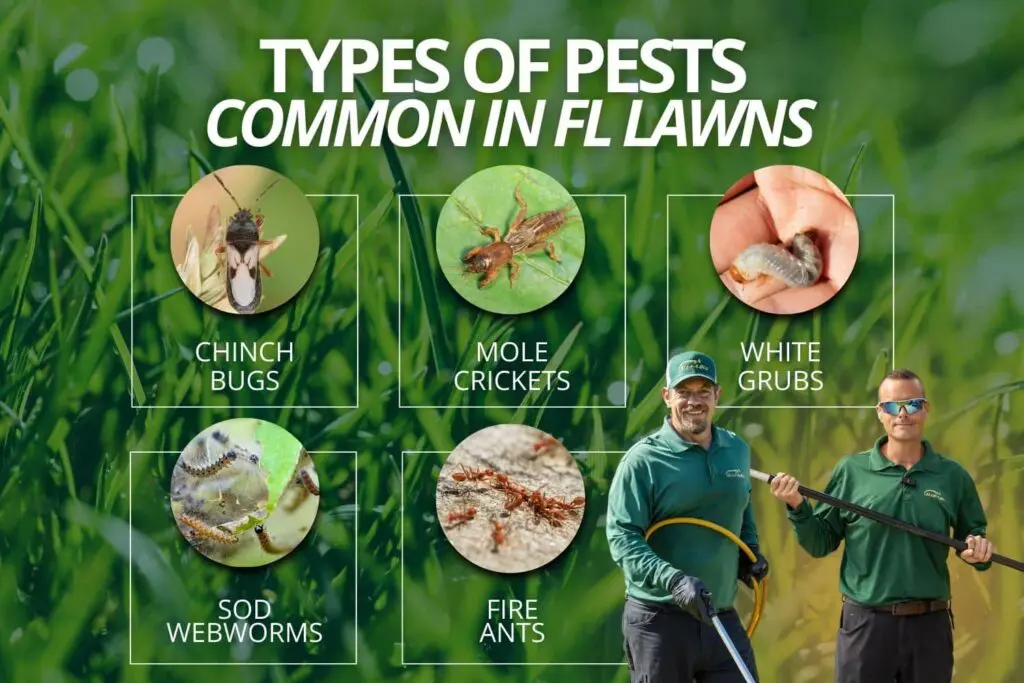
In reality, chinch bugs and grub larvae cause damage that looks nearly identical to drought stress, especially in the early stages. Chinch bugs suck moisture from grass blades during hot, dry weather, which means their damage often appears right when people expect drought anyway. Grubs, on the other hand, chew through root systems underground, so the grass above loosens easily and can be pulled up like carpet. If your lawn was consistently watered but still browned in irregular patches, it’s worth checking for pests before assuming the sprinklers just aren’t doing enough. Local pest professionals, including EcoForce Pest Management serving Austin, often see homeowners overwater their lawns for weeks trying to fix what was actually an insect infestation the whole time.
Myth #2: All Insects in Your Lawn Are Harmful and Need Immediate Chemical Treatment
There’s a common instinct to treat any bug sighting as an emergency. Someone spots ants, beetles, or small flying insects near their grass and reaches for a broad-spectrum pesticide before identifying what’s actually there. This reaction makes sense on an emotional level, nobody wants to imagine their yard being “infested,” but it ignores the fact that most insects living in residential lawns are either harmless or actively helpful to the ecosystem. Ground beetles, for example, prey on the very grubs and larvae that damage turf, and many ant species aerate soil in ways that benefit root health.
Treating every insect sighting with chemical pesticides carries real costs beyond the price tag. According to Lawn Pesticide Fact Sheets, of 40 most commonly used lawn pesticides, 26 are linked with cancer or carcinogenicity, 32 with liver or kidney damage, and 24 with neurotoxicity, which highlights why misidentifying pests and over-treating lawns with chemicals can cause more harm than the pests themselves. Before reaching for a spray bottle, it’s worth taking a photo and doing a quick identification search, or asking a local extension office what’s actually beneficial in your region. A little patience here saves money and protects the pets, kids, and pollinators that share your yard.
Myth #3: More Fertilizer Equals a Greener, Healthier Lawn
It seems intuitive that if some fertilizer helps grass grow, more fertilizer should help it grow even better and faster. This belief is reinforced by product marketing that emphasizes rapid greening and thick growth, and by the satisfying visual results that show up within days of an application. But grass, like most living things, has limits on what it can actually absorb and use. Excess nitrogen doesn’t just sit there waiting to be used later, it either runs off into storm drains or pushes the plant into a stressed growth spurt that weakens its root system.
Over-fertilized lawns tend to grow lush green blades on top while developing shallow, weak roots underneath, which makes them significantly more vulnerable to drought, disease, and pest infestations. Soft, overly succulent grass tissue is also more attractive to chewing insects and easier for grubs to damage. Homeowners weighing whether to fertilize more or invest in something else entirely might find it useful to compare costs first, since planning a full season of lawn care, as outlined in a lawn mowing cost calculator, often reveals that consistent, moderate maintenance beats heavy product use in both price and results. A soil test before applying anything is one of the simplest ways to avoid this myth altogether, since it tells you exactly what your lawn needs instead of guessing.
What the Numbers Actually Show
Seeing the data side by side makes the pattern clearer. Homeowners tend to over-apply chemical treatments partly because lawns are small, visible spaces where problems feel urgent, and partly because product labels rarely explain the tradeoffs involved. The table below draws on findings from pesticide research and environmental monitoring to show just how significant residential over-application has become compared to agricultural use.
| Health or Environmental Concern | Share of the 40 Most Common Lawn Pesticides |
| Linked to cancer or carcinogenicity | 26 of 40 |
| Linked to neurotoxicity | 24 of 40 |
| Linked to reproductive effects | 21 of 40 |
| Detected in groundwater | 21 of 40 |
| Pesticide use rate, lawns vs. farmland | Up to 10x more per acre on lawns |
These figures aren’t meant to scare anyone away from ever treating a lawn pest problem. They’re meant to underline why accurate identification matters so much before any product gets applied. A lawn treated based on guesswork tends to receive more chemical exposure than one treated based on an actual diagnosis, and that gap adds up over years of seasonal applications.
Building a Smarter Approach to Lawn Pest Management
The common thread running through all three myths is that assumptions cost more than observation does. Taking a few extra minutes to identify what’s actually happening in your lawn, whether it’s checking for grubs before overwatering, identifying insects before spraying, or testing soil before fertilizing, consistently leads to better outcomes than reacting on instinct. This mindset pairs well with the kind of research-driven approach that already goes into choosing the right mowing equipment or irrigation setup. Lawn health, like lawn technology, rewards people who look past the marketing and dig into what actually works. A healthier yard usually comes down to fewer, smarter interventions rather than more frequent ones.