

In recent years, Australian home design has shifted heavily towards seamless indoor and outdoor living, a trend celebrated in both coastal properties and suburban residences alike. The traditional boundary between the backyard and the living room is rapidly disappearing, replaced by large-format retracting glass doors, bi-fold frames, and continuous flooring materials that invite nature directly into the home. Creating this continuous visual flow requires far more than just opening a door. It takes thoughtful design, careful landscaping, and smart climate control to ensure your interior spaces remain comfortable, functional, and protected while embracing the beauty of your garden.
The Visual Bridge: Connecting Inside and Out
To successfully blur the boundary between interior living spaces and alfresco areas, your garden needs to feel like a natural extension of your living room rather than a separate zone. Integrating natural, tactile textures like timber-look tiles, polished concrete, and natural stone across both thresholds is a standard architectural approach for Australian homeowners seeking a unified aesthetic. However, the organic view outside your glass doors is just as important as the hard-scape materials beneath your feet.
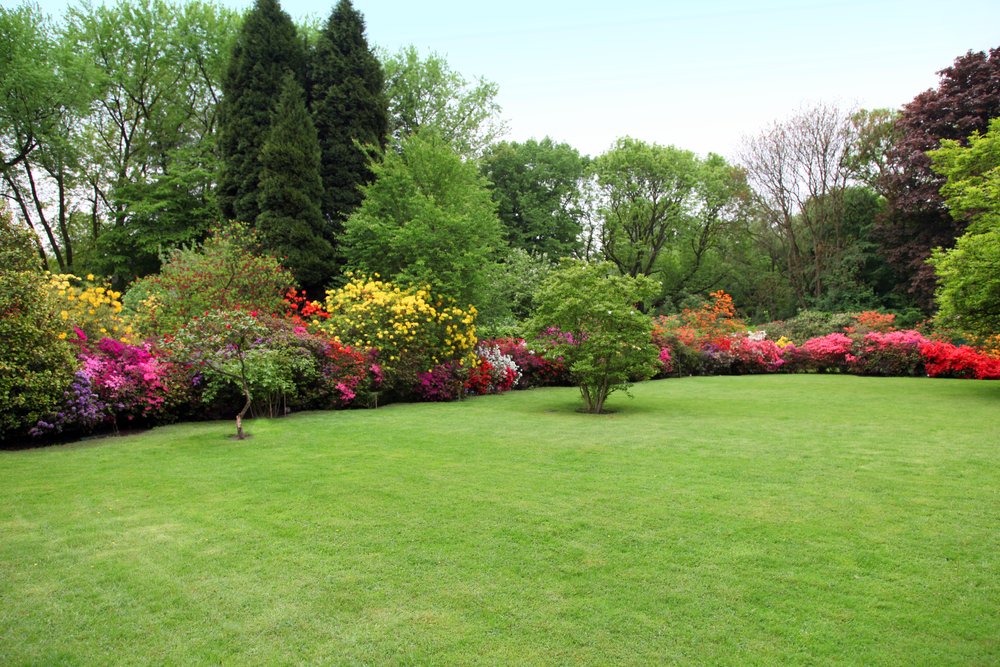
Keeping the immediate landscape looking its absolute best ensures the transition feels inviting rather than neglected or overgrown. A freshly manicured lawn, neatly trimmed hedges, and sharp garden edges naturally draw the eye outward, creating a cohesive aesthetic that effortlessly bridges the structural gap between house and garden. For comprehensive advice on seasonal maintenance, lawn care, and landscaping techniques to keep your yard in top shape, exploring dedicated gardening resources can help you maintain a picture-perfect view year-round without overwhelming your schedule.
Protecting Your Interiors from the Elements
While large, unobstructed glass doors are beautiful for bridging indoor and outdoor spaces, you need to manage natural sunlight carefully to prevent overheating. The Australian sun is notoriously harsh, and untreated glass can allow up to 56 percent of harmful UVA radiation to pass directly into your home. This invisible ultraviolet exposure is responsible for roughly 40 percent of the gradual fading seen in expensive timber flooring, luxurious leather furniture, and delicate fabric dyes.
To combat this irreversible sun damage without sacrificing your hard-earned garden view, implementing adjustable window coverings is absolutely essential. Using high-quality roller blinds is one of the most effective ways to protect your interior investments from cumulative UV damage while maintaining a sleek, modern aesthetic. This subtle addition allows you to easily filter the amount of natural light entering the space throughout the day, preserving your valuable furnishings while still enjoying the beautifully landscaped garden outside.
The Energy Efficiency Equation
Beyond UV protection, thermal management is a critical consideration for modern, climate-responsive architecture. Under the latest updates to the National Construction Code, new home builds and major renovations across most of Australia are required to achieve a minimum 7-star NatHERS thermal performance rating. This strict standard limits uncontrolled solar heat gain, meaning large glass expanses framing your garden views require strategic shading solutions to remain compliant and comfortable all year.
The vulnerability of west-facing and north-facing glass areas to the greenhouse effect during the intense summer months cannot be overstated. In fact, official data from the Australian Government reveals that almost 90 percent of a home’s heat is gained, and up to 40 percent of heating energy is lost through its windows. Managing this thermal transfer with proper interior shading keeps your living areas cool, reduces reliance on artificial air conditioning, and lowers household energy costs significantly.
Steps to Create an Everyday Wellness Retreat
Recent data from home design platforms reveals a major shift toward designing backyards as private wellness retreats. A major study led by researchers at the University of Wollongong involving over 260,000 Australian adults found that regular access to green spaces and unobstructed nature views is associated with a significantly lower risk of psychological distress and improved overall mental wellbeing.
To maximise these psychological health benefits and build everyday mental resilience, consider these practical design strategies for your indoor-outdoor transition:
- Plant drought-tolerant native species close to your main glass panels to create a vibrant, low-maintenance focal point that thrives in the local climate and attracts native birdlife.
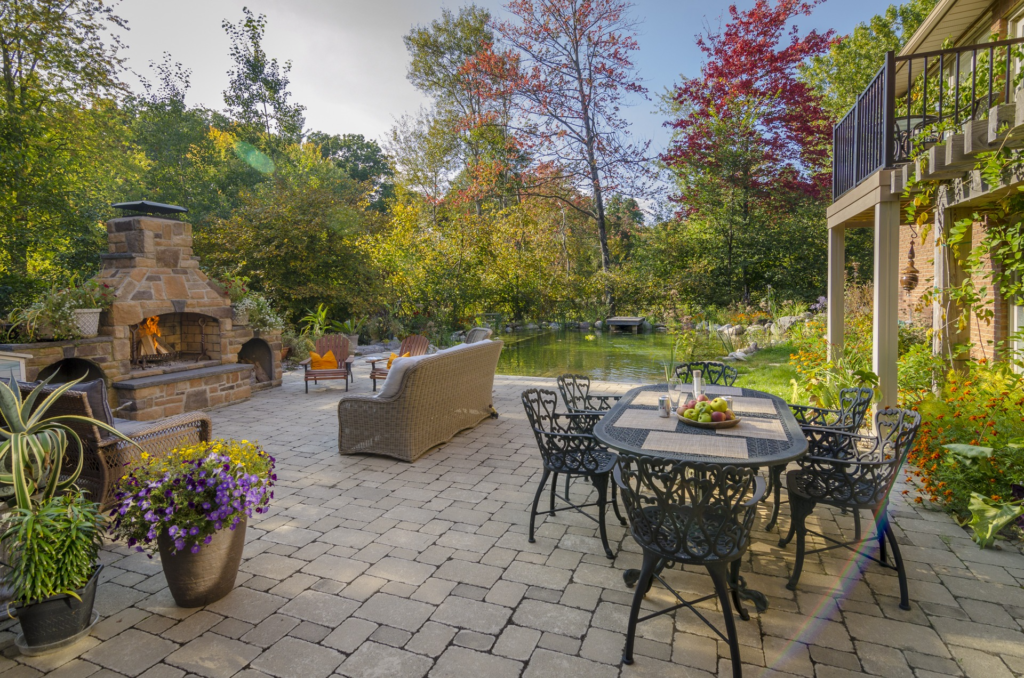
- Establish calm relaxation zones, such as outdoor reading nooks or shaded dining spaces, that are clearly visible from your primary indoor seating areas.
- Maintain a clear line of sight by keeping large shrubs properly pruned and ensuring dense foliage stays well away from the immediate glass perimeter.
- Match the colour palette of your outdoor foliage and hardscaping with your indoor cushions, rugs, and decorative pieces to create a highly unified, relaxing design scheme.
Harmonising Your Home
Designing a seamless transition between your garden and indoor living areas completely transforms how you experience your property on a daily basis. By harmonising your landscaping efforts, protecting your interiors from harsh sunlight, and strategically managing thermal heat transfer, you can create a stunning and sustainable sanctuary. The result is a healthy, inviting living space that effortlessly celebrates the absolute best of the Australian lifestyle every single day.