

A teenager in an older house in Ohio spends two summers with his father chasing a basement moisture problem that won’t quit, tearing out drywall, resealing the foundation, and running a dehumidifier that never seems to catch up. Then, more out of curiosity than expectation, he picks up an analog moisture meter at a hardware store. The first reading points straight to a section of rim joist nobody had touched. They fix it over the weekend, finally getting to the source of a problem they had been chasing for years.
The lesson is simple: many moisture failures in floors, walls, framing, and foundations aren’t actually mysteries. They’re measurement problems. A moisture meter is one of the few household tools designed specifically to turn a guess into a number, giving homeowners a clearer idea of where moisture is hiding and whether a material has actually dried.
Most Moisture Damage Starts Somewhere You Can’t See
The mold spot on a bathroom ceiling or the warped board on a hardwood floor is rarely where the actual problem started. Water tends to travel, soaking into subfloor, framing, or drywall long before any visible sign shows up on the surface.
By the time discoloration or warping becomes obvious, the material underneath has often been holding excess moisture for weeks or months. A moisture meter measures what’s happening inside the material itself, catching the problem at the stage where it’s still cheap and simple to fix rather than after it’s become a full remediation job.
A Few Situations Where a Reading Actually Changes the Outcome
Certain moments call for a moisture check almost every time:
- After a leak, flood, or spill: Confirm that materials have actually dried rather than simply appearing dry on the surface.
- Before installing hardwood flooring: Excess moisture in the subfloor can contribute to buckling, cupping, and other flooring problems.
- When buying firewood or lumber: Wood with high moisture content can burn poorly or shrink as it dries after installation.
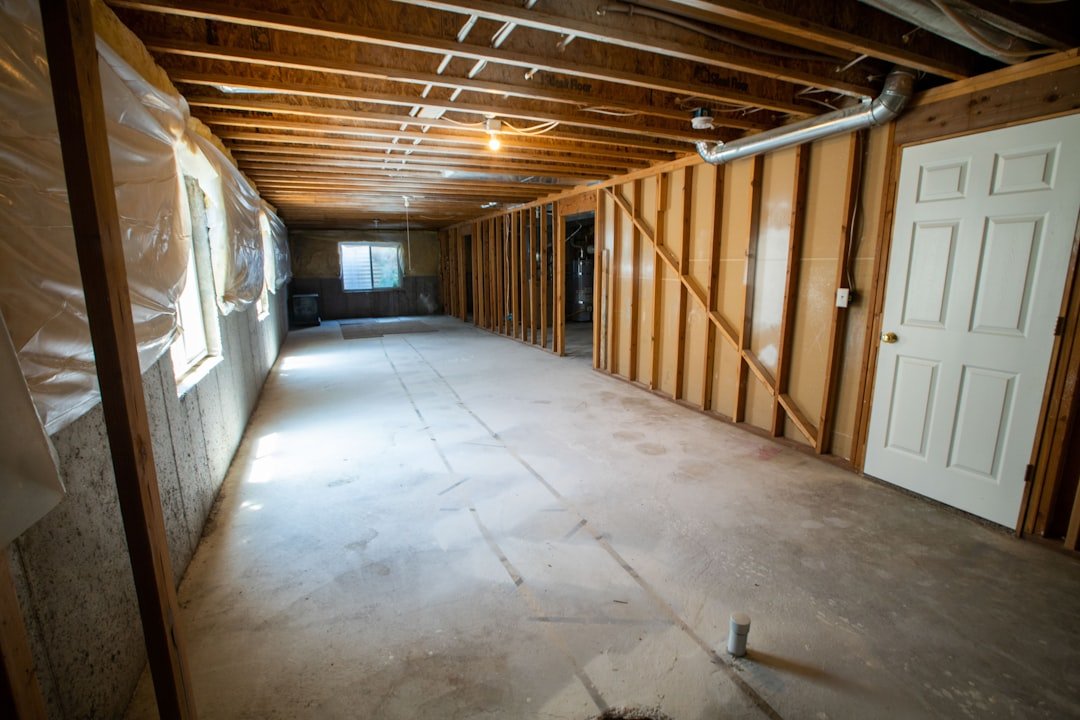
- In crawl spaces and basements: These areas often trap humidity and may go unchecked until visible damage appears.
In each of these situations, a quick moisture reading can provide information that your eyes alone cannot, helping you address a problem before it turns into a costly repair.
Matching the Meter to the Material Actually Being Tested
Not every reading tells the full story on its own, and this is where a lot of first-time buyers go wrong. Wood, drywall, and concrete all hold and release moisture differently, so a meter calibrated for one material can give a misleading number on another. Choosing the right measurement approach for the material being tested is particularly important when small reading errors can lead to much larger repair or installation problems. Species-correction settings matter for wood specifically, since readings can vary by wood type even when the actual moisture content is the same.
That is why choosing the right meter matters. A range of pin and pinless options from Sensorahome is designed around different materials and testing needs, giving users choices rather than forcing one generic device to handle every application.
Why a Moisture Meter Deserves a Place in Your Toolkit
A moisture meter is underrated because it solves a problem homeowners often cannot see until it has already become expensive. Unlike many tools that are only useful for a specific repair, a moisture meter can help with routine checks, post-leak inspections, flooring projects, and early detection of hidden dampness. It is relatively inexpensive, simple to use, and capable of providing information that visual inspection alone cannot.
The real value is prevention. A small moisture reading can prompt you to investigate a leak, delay a flooring installation, improve ventilation, or dry out an affected area before the damage spreads. For homeowners who want to catch moisture problems while they are still manageable, that makes a moisture meter one of the more practical tools to keep within reach — right alongside the rest of your essential home and yard maintenance toolkit.
The Bigger Picture on Moisture and Home Damage
None of this concern is overblown. The EPA’s own guidance on mold and moisture is direct on the point: the key to mold control is moisture control, and wet materials need to dry within 24 to 48 hours to prevent mold from establishing itself.
The guide even recommends keeping a moisture or humidity meter on hand specifically to catch these conditions early, since indoor humidity above 60 percent creates exactly the environment mold needs to take hold, well before a visible problem forces a far more expensive fix.
Conclusion
A moisture meter earns its place in a home toolkit because moisture problems can stay hidden long before they become obvious or expensive. It doesn’t require specialized expertise to use effectively; you simply need to match the meter to the material and understand what the reading means.
Use it after leaks, floods, or spills, before installing flooring, and when checking damp areas such as basements or crawl spaces. For the cost of a modest hand tool, it can replace guesswork with a clear indication of whether moisture is still present.