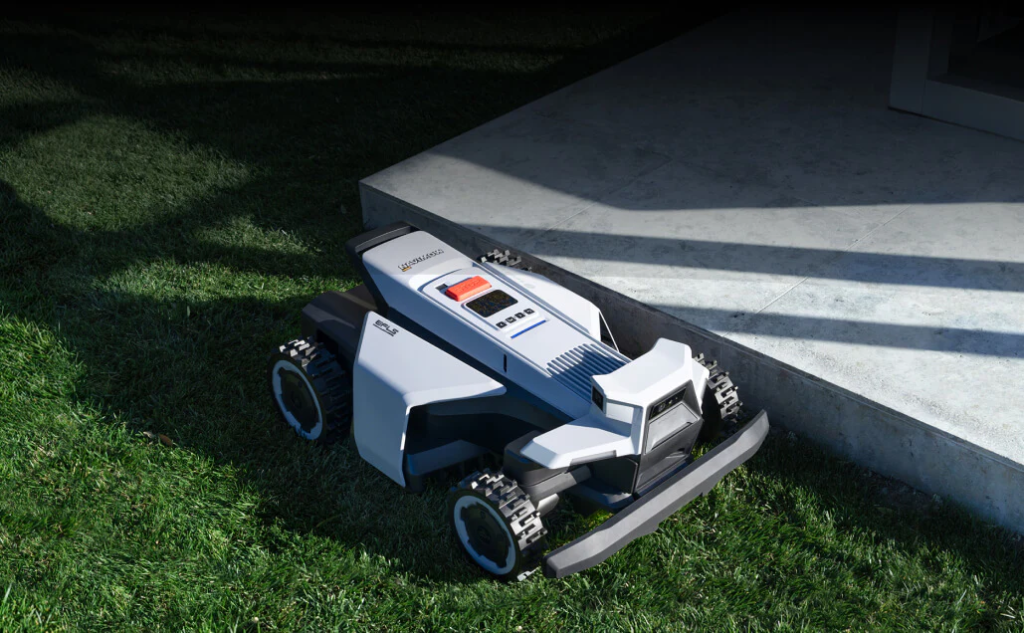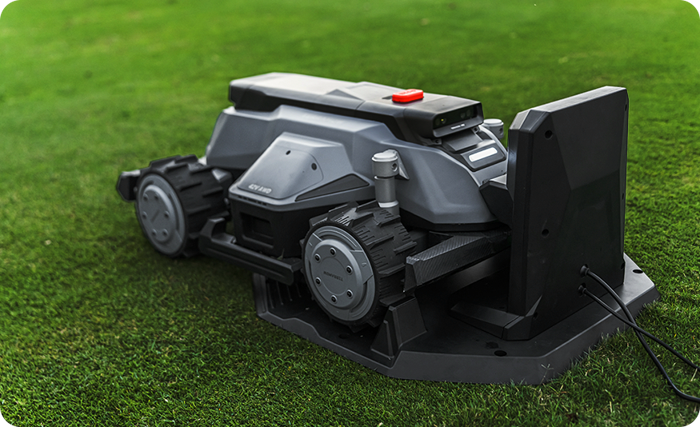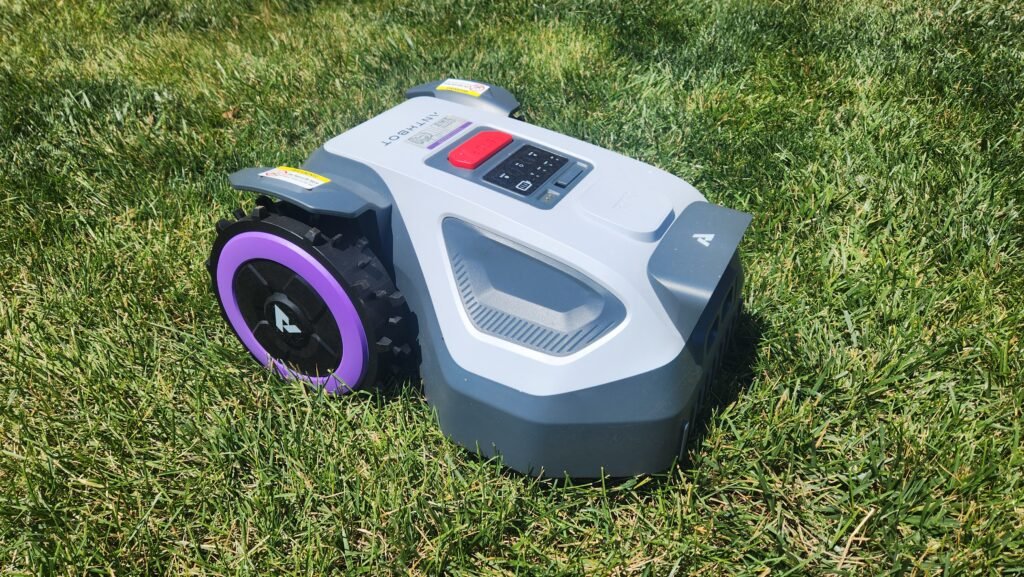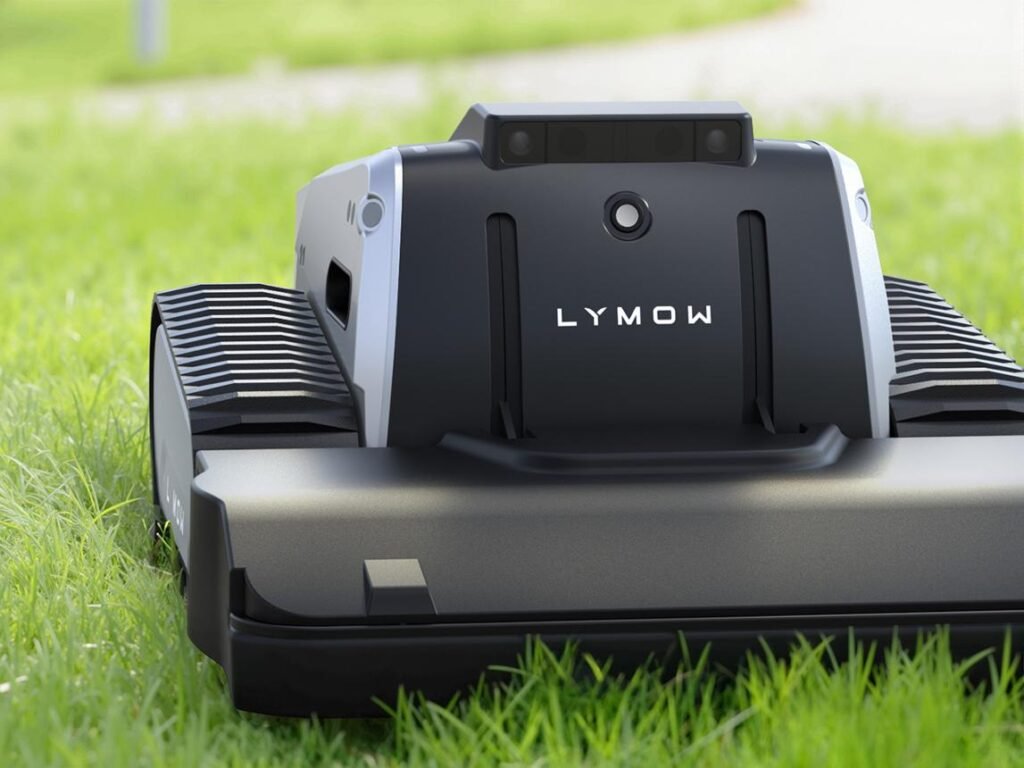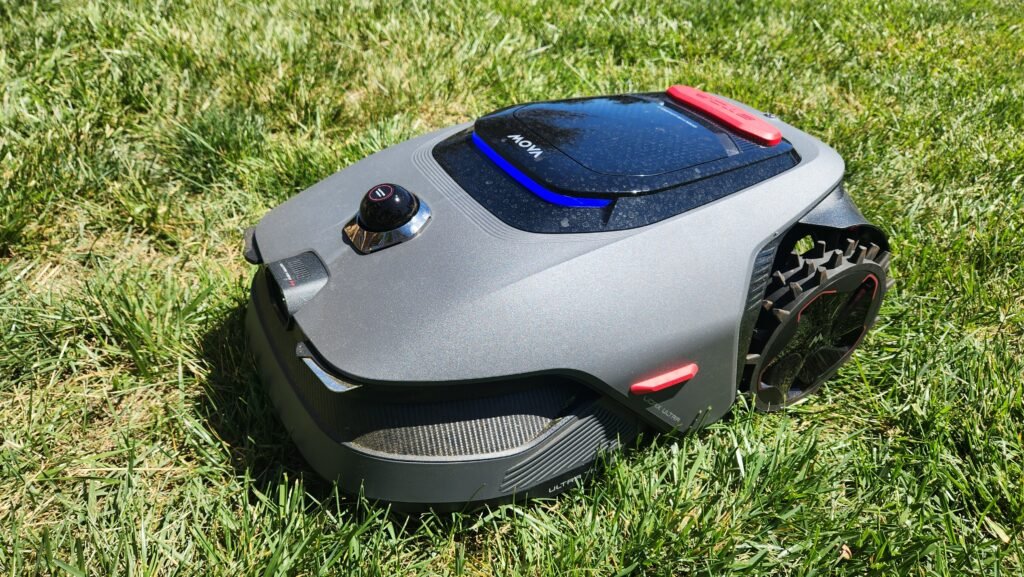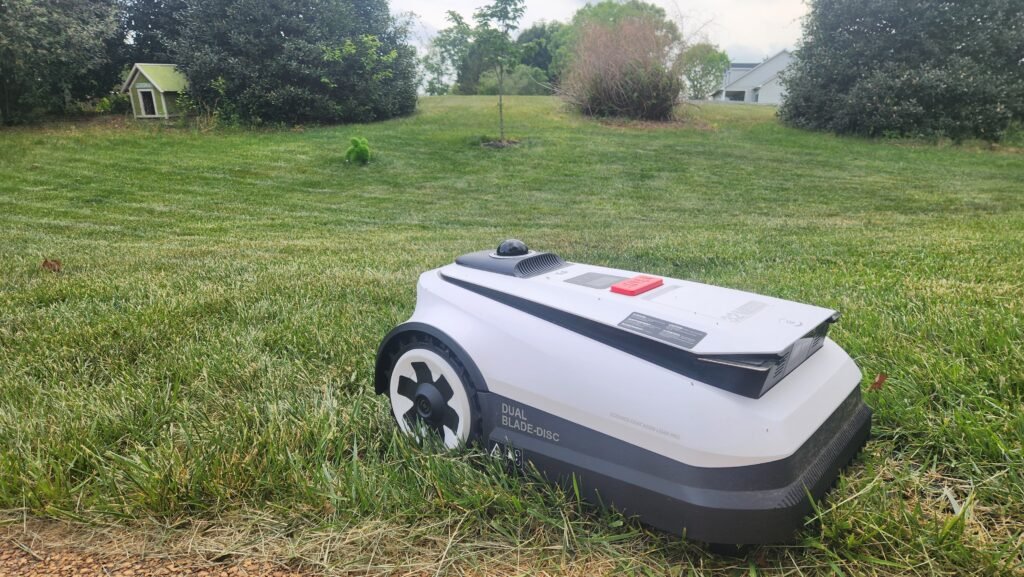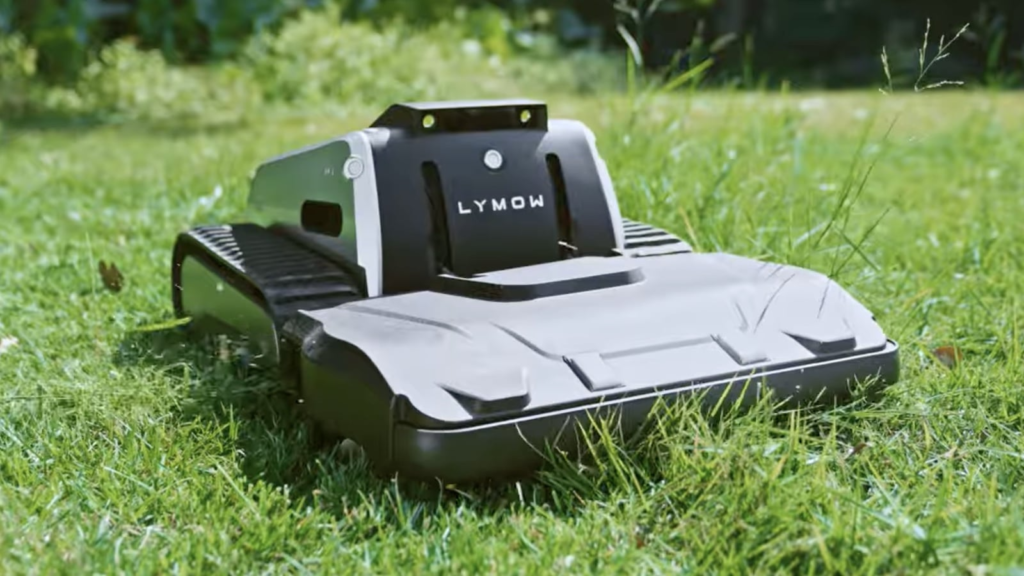

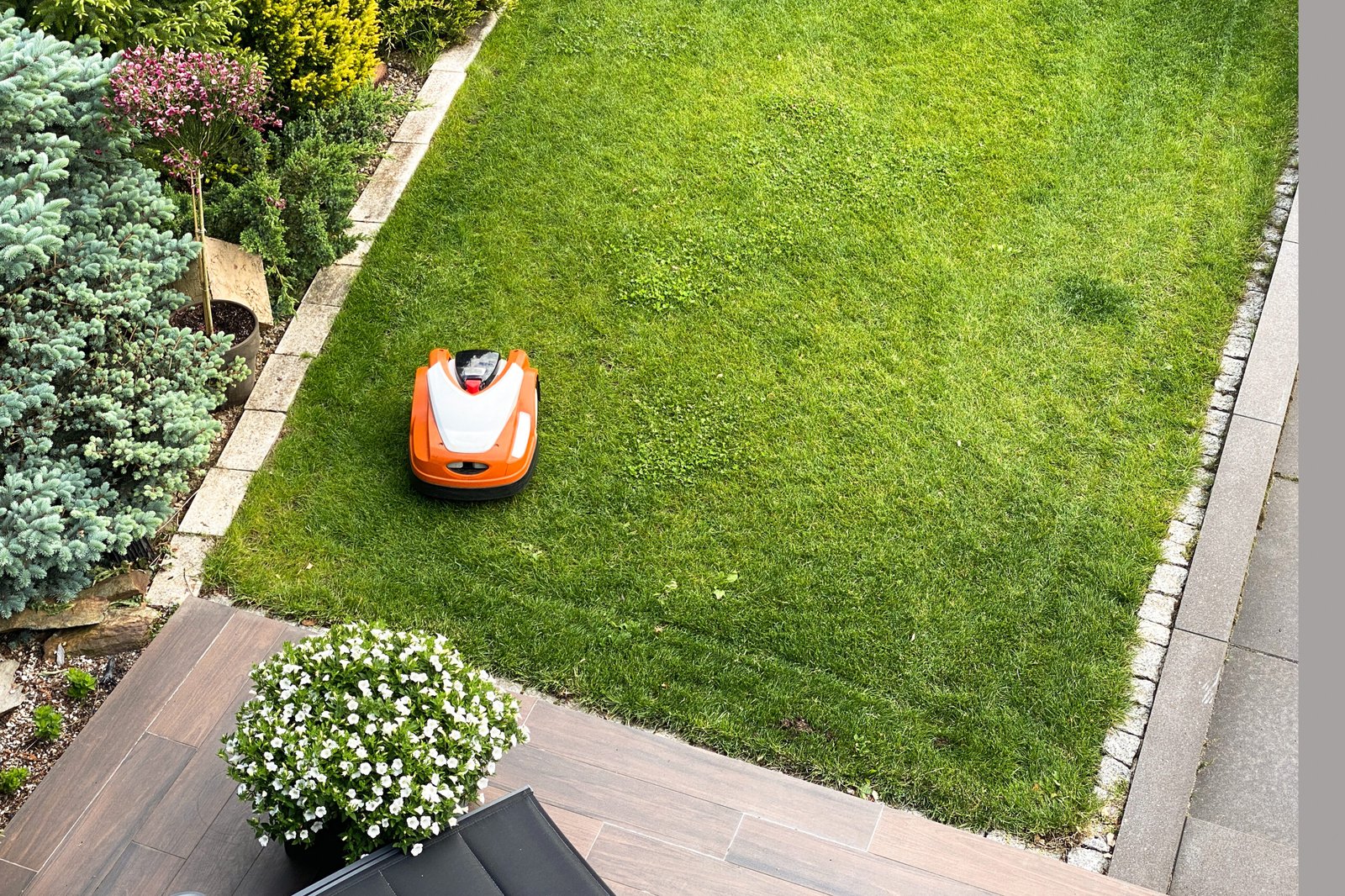
Robot lawn mower industry growth is the shift of residential and commercial mowing from gas and push equipment to autonomous, battery-powered robots — a category now growing several times faster than the overall lawn mower market. Analysts value the global robotic mower segment somewhere between $1.7 billion and $10.5 billion for 2025, with forecast growth rates of 7.5% to 22% a year. The spread in those numbers is itself the story: this is an early, fast-moving market where the winners will be decided by navigation technology, channel strategy, and how quickly brands crack North America.
This guide is written for executives at robot mower manufacturers, distributors, dealers, and commercial lawn care operators. It consolidates the most-cited public data as of October 2026, explains why the forecasts disagree, and lays out a practical framework for capturing share.
Key Takeaways
- The market is real but poorly measured. 2025 size estimates range from $1.71B to $10.50B depending on the research firm. Build your plan on unit and penetration data, not headline dollar figures.
- Wire-free is now the default. Wire-free models reportedly rose from 35% to 65% of global robotic mower sales between 2024 and the first half of 2025.
- North America is the largest untapped prize. The region drives roughly 60% of global lawn mower sales, yet robotic penetration is estimated in the low single digits — versus roughly 20% in Europe and about 40% in the Nordics.
- Margins favor robotics. Robotics-heavy brands have reported gross margins around 50%, well above the roughly 30% typical of traditional outdoor power equipment.
- Service, not specs, is the next battleground. As hardware commoditizes, installation, after-sales support, and commercial fleet models will separate leaders from the pack.
How Big Is the Robot Lawn Mower Market? (And Why Nobody Agrees)
Ask five research firms how large the robotic mower market is and you will get five very different answers. That is not a sign the category is overhyped. It is a sign the category is young, fragmented across channels, and changing faster than annual research cycles.
Here is how the most frequently cited public estimates compare.
| Research firm | 2025 market size | Forecast | CAGR |
|---|---|---|---|
| Coherent Market Insights | $1.71B | $4.70B by 2032 | 15.5% |
| Global Market Insights | $3.4B | $6.8B by 2035 | 7.5% |
| Fortune Business Insights | $10.50B | $30.30B by 2034 | 12.5% |
| Technavio | — | +$2.26B added, 2024–2029 | 22.4% |
| Context: total lawn mower market (ResearchAndMarkets) | $32.11B (2024) | $54.39B by 2033 | 6.0% |
Why the Estimates Diverge
Three definitional choices explain most of the gap. Executives should check each one before quoting any market figure in a board deck or investor memo.
- Scope of “robotic.” Some firms count only fully autonomous consumer units. Others fold in semi-autonomous, commercial ride-on conversions, and accessories.
- Revenue basis. Manufacturer shipment value and retail sell-through value can differ by 30–50% once distributor and retail margins are included.
- Channel visibility. Direct-to-consumer and marketplace sales from newer Chinese brands are hard to capture in traditional dealer-based surveys, so legacy methodologies tend to undercount them.
The practical takeaway: treat any single dollar figure as directional. Unit volume, penetration rate, and average selling price (ASP) are more reliable building blocks for planning.
Robotic Lawn Mower: Mower Growth by the Numbers
Strip away the dollar estimates and the volume data tells a sharper story. The core distinction executives need to track is lawn mower mower growth overall (slow, roughly 6% a year) versus robotic unit growth (explosive, and concentrated in wire-free models).
Unit Volume Is Accelerating
- 2.34 million units in H1 2025. Industry data reported by EqualOcean put global smart robotic mower sales at 2.34 million units in the first half of 2025, a 327% year-over-year jump.
- Wire-free took over. Wire-free models accounted for about 1.52 million of those units, lifting their share from 35% in 2024 to 65%.
- China’s export engine. Chinese lawn mower exports reached roughly RMB 13.2 billion (about $1.9 billion) from January through July 2025, up 56.6% year over year, according to the China Chamber of Commerce for Import and Export of Machinery and Electronic Products, via KrASIA.
- Brand-level scale. Segway Navimow announced its one-millionth cumulative unit in April 2026, five years after launching its first wire-free model, and now sells in more than 40 countries.
A note of caution: triple-digit growth rates partly reflect a low base and a seasonal pull-forward of inventory. Expect growth to normalize as the category matures, even as absolute volumes keep climbing.
The Penetration Gap: Where the Growth Will Come From
Penetration — the share of lawn-owning households using a robotic mower — is the single most important metric in this industry. It shows how far each region is from saturation.
Figure 1: Estimated robotic mower household penetration by region
The contrast is striking. North America accounts for nearly 60% of global lawn mower sales and has roughly 100 million residential lawns, yet robotic penetration sits in the low single digits. Europe, which spent two decades on boundary-wire products, is already at about one in five households.
Even modest movement in North America would reshape the global market. Every single percentage point of U.S. household penetration represents roughly one million robotic mowers in service.
The Five Forces Driving Robot Lawn Mower Industry Growth
1. The Navigation Leap: From Boundary Wire to RTK, Vision, and LiDAR
Boundary wire was the industry’s biggest adoption barrier. It required professional installation, broke under aeration and digging, and could not adapt to changing landscapes.
Wire-free navigation removed that friction. Today’s leading platforms combine RTK satellite positioning with cameras, LiDAR, or both, enabling virtual boundaries drawn in an app and systematic striped mowing.

Incumbents have moved decisively. Husqvarna — which launched the world’s first robotic mower 30 years ago — introduced 13 new boundary wire-free models for the 2025 season, bringing its wire-free lineup to 24 models and pushing Gardena wire-free units into big-box retail for the first time.
| Navigation method | Installation burden | Key strength | Key weakness | Best market fit |
|---|---|---|---|---|
| Boundary wire | High (buried wire) | Proven, low hardware cost | Wire breaks; inflexible | Small, simple European lawns |
| RTK + base station | Medium | Centimeter-level positioning | Signal loss under trees and near buildings | Open suburban lots |
| RTK + vision fusion | Low–medium | Handles tree cover and obstacles | Higher bill of materials | Complex North American yards |
| LiDAR / vision-first | Low | No satellite dependency | Lighting and mapping edge cases | Shaded, dense, irregular properties |
2. Supply Chain Scale and Falling Prices
Chinese manufacturers have compressed product cycles and costs. Industry analysis from Huaxi Securities estimates navigation and obstacle-avoidance systems account for about 60% of the cost of a mid-to-high-end RTK-plus-vision unit — the exact component layer where scale drives the fastest price declines.
The competitive field now splits into three camps: power tool and garden incumbents (Husqvarna, Chervon, Positec/Worx), robotics-native brands (Segway Navimow, Ecovacs, Dreame), and venture-backed specialists (Mammotion, Lymow, TerraMow, and others).
3. Regulation Against Small Gas Engines
California’s AB 1346 directed regulators to end sales of new small off-road gas engines, including lawn mowers, and the rule took effect January 1, 2024. The state has more than 16.7 million such engines — more than its passenger cars.
Existing equipment can still be used, so the impact is gradual. But every gas mower that reaches end of life in a regulated market becomes a battery-powered replacement decision — and robotic models are one of the most compelling options in that decision set.
4. Labor Scarcity in Commercial Grounds Care
Landscaping companies face persistent crew shortages and rising wages. Autonomous mowers let one technician supervise multiple machines, shifting labor from mowing to higher-margin services like trimming, enhancements, and irrigation.
Husqvarna reports double-digit annual growth in its professional robotic segment every year since launching its CEORA platform in 2021. For a closer look at operator economics, see our guide to calculating break-even for commercial robot mowers.
5. Attractive Unit Economics
Robotic mowers carry structurally better margins than legacy outdoor power equipment. Ninebot’s robotics segment, heavily driven by mower sales, reported gross margins of 53% in 2023, 56% in H1 2024, and 51% in 2024, compared with roughly 30% for leading traditional OPE brands.
Those margins are attracting capital and new entrants — which means they will compress. Plan for margin erosion of several points as competition intensifies, and look to software, accessories, and services to defend profitability.
The Headwinds Executives Must Plan Around
- Price anchoring. Basic push mowers sell for under $100; capable robotic models typically start above $1,000. Total-cost-of-ownership messaging is mandatory, not optional.
- Yard complexity. U.S. lawns are larger, more sloped, and more tree-covered than typical European gardens, with thicker warm-season grasses that demand more cutting power.
- Service gaps. A high-ticket outdoor robot needs local setup, warranty repair, and seasonal support. Many new entrants sell online with thin or nonexistent service networks.
- Trade and tariff exposure. Heavy reliance on Chinese manufacturing creates margin risk from tariffs and trade policy shifts. Several brands are diversifying production into Southeast Asia in response.
- Theft and security. Expensive machines operating unattended in front yards need anti-theft features, GPS tracking, and insurance-friendly documentation.
Comparing Go-to-Market Strategies for Robot Mower Brands
Channel choice now matters as much as product. Here is how the four dominant routes to market compare.
| Strategy | Speed to scale | Margin retained | Service quality | Biggest risk |
|---|---|---|---|---|
| Direct-to-consumer / Amazon | Fast | High | Low–medium | Returns and negative reviews from poor setup |
| Big-box retail (e.g., Lowe’s, Home Depot) | Fast | Low | Low | Price pressure and limited in-store expertise |
| Authorized dealer network | Slow | Medium | High | Capital-intensive and slow to build |
| Commercial fleet / Robotics-as-a-Service | Medium | Medium–high (recurring) | High | Long sales cycles and fleet support costs |
Most category leaders now run a hybrid. Retail partnerships are accelerating: Lowe’s has partnered with Chinese brands including Segway Navimow and Sunseeker, putting wire-free robots in front of mainstream U.S. shoppers. Meanwhile, rental and subscription models are lowering the entry barrier for commercial operators, as we covered in why commercial landscapers are renting robotic mowers.
A Five-Step Growth Playbook for Robot Mower Executives
Understanding the market is only half the job. Use this framework to turn industry data into an actionable growth plan.
Step 1: Build a Bottom-Up Market Model
Replace top-down research figures with your own model. It is more defensible with investors and more useful for planning.
- Count lawn-owning households in your target region.
- Filter for “robot-suitable” lawns by size, slope, and terrain your products can handle.
- Apply a realistic penetration curve (current rate → 5-year target).
- Add replacement demand based on expected product lifespan.
- Multiply by your ASP and your target share.
Formula: Annual Revenue Opportunity
(Suitable lawns × annual penetration gain) + (Installed base ÷ product lifespan in years) × ASP × target share
Step 2: Match Navigation Technology to Regional Terrain
A product optimized for a 500-square-meter German garden will struggle on a wooded half-acre in Virginia. Segment your lineup by terrain profile, not just lawn size.
- Prioritize RTK-plus-vision or LiDAR fusion for tree-heavy North American markets.
- Invest in all-wheel drive and slope handling for hilly regions.
- Validate cutting performance on warm-season grasses like Bermuda, zoysia, and St. Augustine.
Step 3: Engineer the Out-of-Box Experience
Setup is where most negative reviews originate. Measure and minimize “time to first successful mow.”
- Target under 60 minutes from unboxing to first full cut.
- Offer guided mapping and remote setup assistance in the app.
- Provide a paid local installation option through dealers or service partners.
Step 4: Build Service Density Before Sales Density
In high-ticket outdoor robotics, service coverage drives repeat purchases and referrals. Map authorized repair coverage before launching paid acquisition in a metro.
- Recruit existing outdoor power equipment dealers as service partners.
- Stock spare blades, wheels, and batteries regionally.
- Track first-contact resolution and repair turnaround as board-level KPIs.
Step 5: Develop a Commercial and Recurring Revenue Arm
Consumer hardware sales are seasonal and margin-compressing. Commercial fleets, subscriptions, and service plans smooth revenue and raise lifetime value.
- Launch a fleet program for landscapers, HOAs, schools, and sports facilities.
- Bundle extended warranties, blade subscriptions, and premium app features.
- Publish operator ROI data — such as our analysis of commercial robotic mowers vs. traditional equipment — to shorten sales cycles.
Real-World Scenario: A Mid-Size Brand Enters the U.S. Southeast
To ground the framework, consider a hypothetical brand — “Brand X” — with a strong European business and a new RTK-plus-vision lineup. It is deciding whether to launch in the U.S. Southeast. All figures below are illustrative assumptions, not market data.
The Bottom-Up Model
- Target households: 6 million lawn-owning households across selected metros.
- Robot-suitable share: 40%, or 2.4 million lawns.
- Penetration gain: From 2% to 6% over four years — about 24,000 new adopters per year.
- ASP and share: $1,600 ASP and a 15% share target yields roughly $5.8 million in annual new-unit revenue by year four, before replacement demand and services.
The Decisions That Follow
That revenue opportunity does not justify a nationwide dealer build-out. It does justify a focused launch: two metros, a partnership with 15–20 existing outdoor power equipment dealers for setup and repair, and an Amazon listing to capture search demand.
Brand X also validates performance on Bermuda and zoysia in a pre-launch field program — the kind of structured evaluation offered through our robot mower beta testing and product evaluation program — and adds a landscaper fleet pilot to test commercial demand without heavy upfront investment.
What to Watch: Industry Indicators for 2027
- North American penetration crossing 5% — the likely inflection point for mainstream adoption.
- Entry-level wire-free pricing below $800, which would dramatically widen the addressable market.
- Base-station-free RTK via cloud or network correction, following Husqvarna’s cloud approach.
- Consolidation as smaller hardware startups struggle to fund service networks.
- Multi-function yard robots that combine mowing with snow clearing, leaf collection, or trimming.
Frequently Asked Questions
How fast is the robot lawn mower industry growing?
Published forecasts range from about 7.5% to 22% compound annual growth, depending on methodology. Unit data points higher in the near term: global robotic mower sales reportedly more than quadrupled year over year in the first half of 2025.
Which region leads robotic mower adoption?
Europe leads, holding roughly 42% of global market value in 2025 according to Fortune Business Insights, with the Nordic countries showing the highest household penetration at around 40%.
Who are the largest robot mower companies?
Global Market Insights identifies Husqvarna as the share leader at over 18% in 2025, with Husqvarna, Bosch, Worx, John Deere, and Ambrogio together holding about 54%. In the wire-free segment, Segway Navimow has claimed the top retail volume position for two consecutive years.
How to Cite This Research
Journalists, analysts, and bloggers are welcome to reference the data, tables, and figures in this article. Please credit and link to MowingMagic.com, “Robot Lawn Mower Industry Growth: 2026 Market Data, Adoption Gaps, and a Growth Playbook for Executives.” We update this page as new industry data is released.
The Bottom Line
Robot lawn mower industry growth is no longer a question of whether, but of where and how fast. Wire-free navigation has removed the biggest adoption barrier, Chinese supply chains have reset cost curves, and regulation is steadily squeezing gas equipment.
The largest prize — North America — remains barely tapped. The brands that win it will be the ones that pair terrain-appropriate technology with real service infrastructure and recurring revenue models.
Want to see which current models are best suited to different yards? Try our Robot Mower Finder or browse our tested picks for the best robot lawn mowers of 2026.
Now we want to hear from you: What do you see as the single biggest barrier to mainstream robotic mower adoption in North America — price, yard complexity, service coverage, or consumer awareness? Share your perspective in the comments below.