
There’s a specific kind of denial every property owner in the Kansas City area has probably practiced at some point: driving over the same shallow rut in the driveway for months, telling yourself you’ll deal with it eventually, maybe after the next dry spell. It seems harmless enough, just a little dip that jostles the car. But that small rut is rarely staying small, and what looks like a cosmetic nuisance today often turns into a genuine drainage problem tomorrow.
Understanding why ruts matter so much more than they appear to is exactly what separates a quick, cheap fix from a much bigger repair down the road.
How Big of a Deal Is Water Damage, Really?
It helps to understand the real financial stakes tied to unmanaged water on a property. According to FEMA’s National Flood Insurance Program, floods caused more than $8.8 billion in damage to homes and businesses nationwide in 2024 alone, and notably, $3.8 billion of that occurred in communities that aren’t even considered high-risk flood zones.
That distinction matters enormously here. Water damage isn’t limited to dramatic, headline-making floods, it also builds quietly through everyday drainage failures, exactly the kind that starts with something as ordinary-looking as a rut in a gravel driveway.
Why a Rut Is Never Just a Rut
A shallow rut might not look like much, but it forms for a specific reason: the driveway is either too flat or the base underneath isn’t strong enough to support repeated traffic without shifting. Once that rut starts holding water, even briefly after rain, it sets off a chain reaction:
- Water collects in the low spot and keeps the base underneath soft and saturated
- Gravel gets pushed to the sides with each pass of a vehicle, deepening the groove further
- Potholes begin forming as the structure beneath continues to weaken
- Vehicles lose traction, especially in wet conditions, making the problem more noticeable and more urgent
A rut that seems minor in July can become a genuinely disruptive low spot by the time fall rains arrive, simply because nothing addressed the underlying cause.
Why Ruts Are a Drainage Problem, Not Just a Surface One
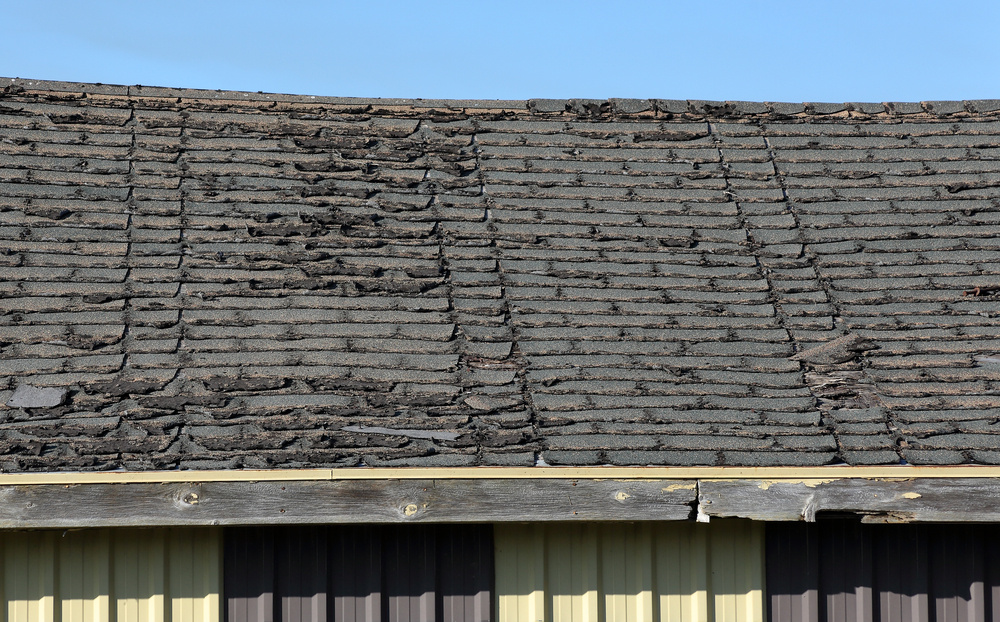
This is really the middle of what most property owners miss entirely. A driveway’s surface gravel isn’t structural on its own, it relies on proper crown and slope to shed water effectively. When ruts form in the same two tire paths, they interrupt that natural water flow, creating a channel that funnels runoff exactly where it shouldn’t go, often toward the base rock, the subgrade, or even a home’s foundation depending on the driveway’s layout. It’s a similar dynamic to how an aging roof can quietly redirect water into a lawn and landscaping — once a surface stops shedding water the way it’s supposed to, the runoff has to go somewhere, and it’s rarely somewhere convenient.
When driveway ruts start holding and redirecting water instead of allowing it to drain away properly, the problem can quickly become bigger than the uneven surface itself. Over time, repeated runoff can contribute to washouts, saturated subgrade, and drainage failures that affect surrounding areas as well. ICON Grading regularly deals with these underlying issues, helping identify whether the rut is simply a surface problem or a sign of a larger grading and drainage concern.
Signs a Rut Has Already Become a Bigger Problem
A few clear indicators suggest a rut has moved past simple cosmetic wear:
- The rut holds visible standing water for more than a day after rain
- Nearby areas of the yard or foundation show signs of water pooling that weren’t there before
- The driveway surface feels soft or spongy, not just uneven, when walked or driven over
- Gravel keeps migrating toward the shoulders no matter how often it’s replaced
Recognizing these signs early can mean the difference between a straightforward regrading project and a full driveway rebuild.
Why Fixing It Early Actually Saves Money
Light dragging or adding fresh gravel can work fine when the base underneath is still solid, but once a rut starts holding water consistently, surface fixes stop being effective. At that point, the repair usually needs to restore the driveway’s crown, add and compact base rock in proper layers, and shape the shoulders so water has somewhere useful to go. Catching this early, before the base is fully saturated or washed out, is considerably less invasive and less expensive than waiting until the whole structure needs to be rebuilt.
Conclusion
A driveway rut may seem like a minor issue, but it can be an early sign that water is not draining properly. If left untreated, repeated water exposure can weaken the surrounding soil and eventually cause damage that extends beyond the driveway surface. Addressing ruts while they are still relatively simple to repair can help prevent more expensive problems later. It is a small maintenance step that can protect the driveway, improve drainage, and reduce the risk of a heavy rain turning a manageable issue into a much larger structural concern.