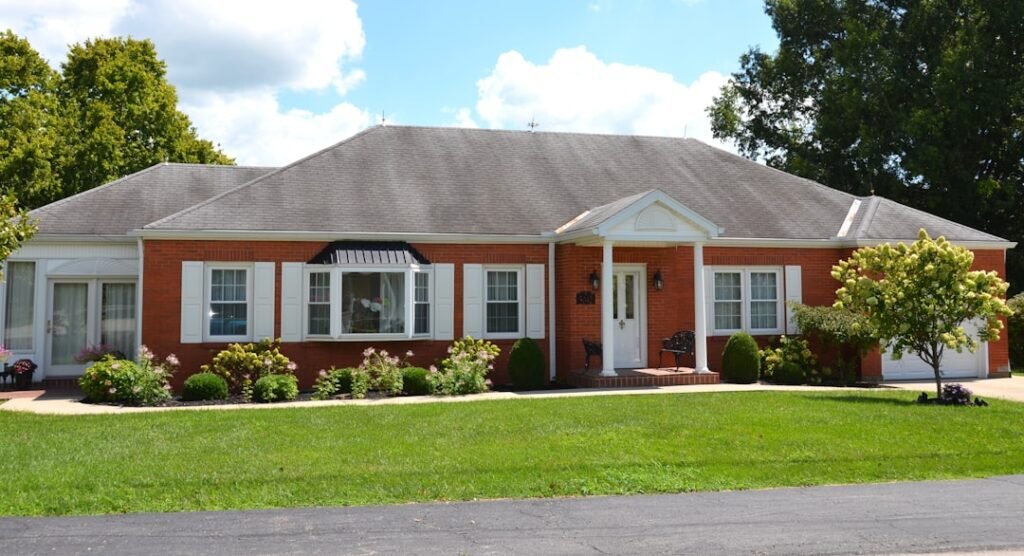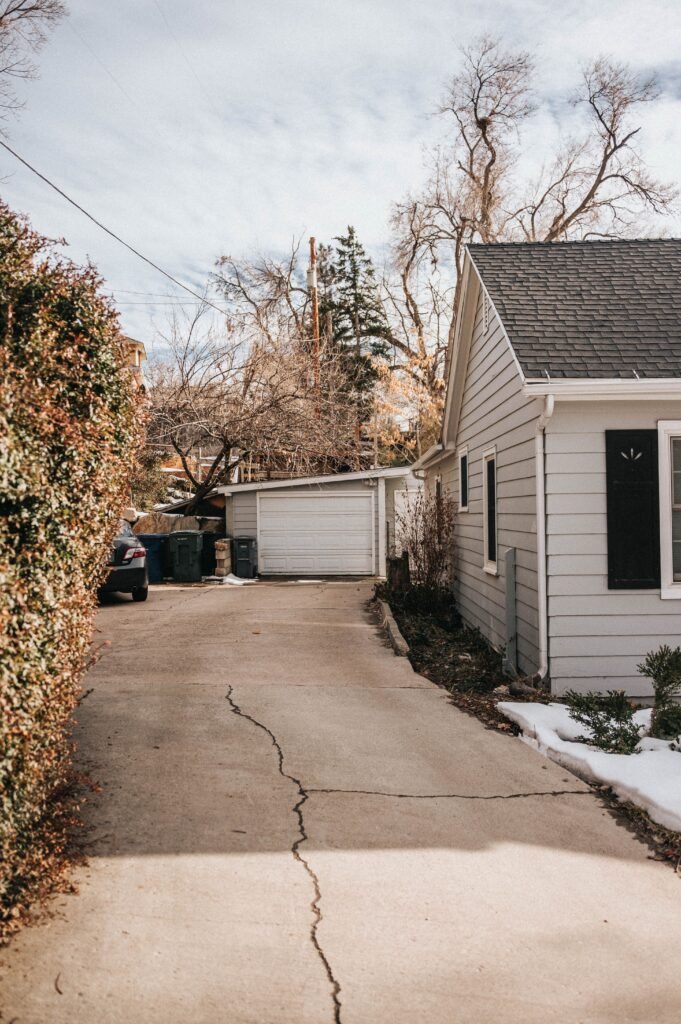

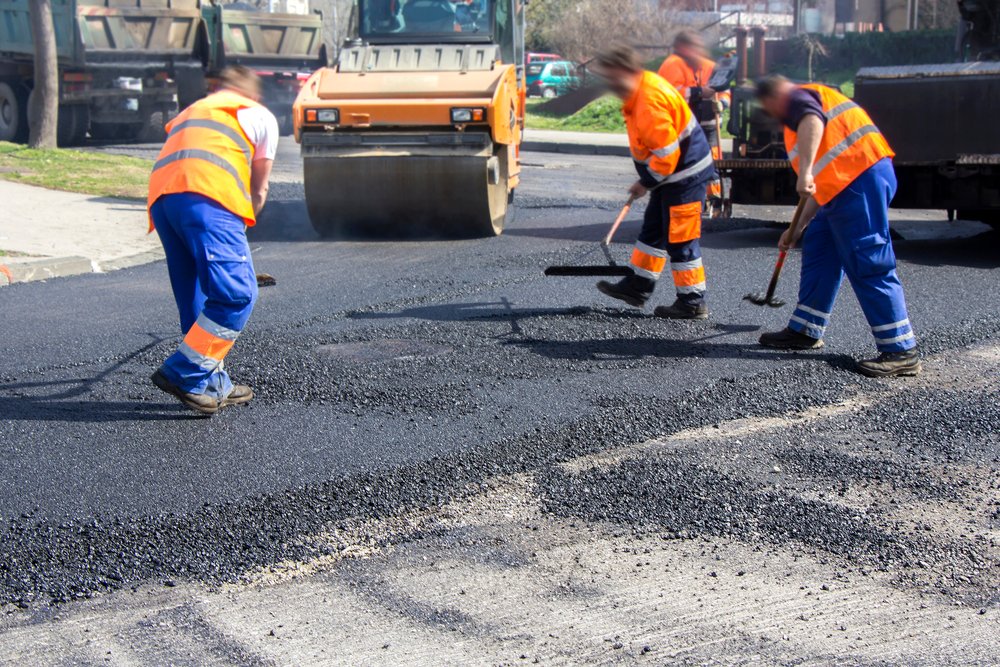
A perfectly maintained lawn deserves a driveway to match. You can spend all season dialing in your mowing schedule, edging, and fertilizer program, but if the asphalt leading up to your home is cracked, faded, or crumbling at the edges, it drags down the entire look of the property. That’s where a professional asphalt contractor comes in. Companies like Sommerset Paving have built their reputation on exactly this kind of work, providing commercial, residential, and municipal asphalt solutions — from new installations and repairs to resurfacing and sealcoating — and helping clients create durable, high-quality driveways, parking lots, and municipal pathways with precise, long-lasting results.
Whether you’re a homeowner staring at a spiderweb of cracks in your driveway or a property manager responsible for a parking lot that takes a beating every winter, understanding how asphalt services work will help you make smarter decisions and get more life out of every square foot of pavement.
Why Asphalt Fails (and Why It’s Not Your Fault)
Asphalt is tough, but it’s not invincible. The same forces that stress your lawn — sun, water, and temperature swings — work on your pavement year-round:
UV exposure oxidizes the surface, turning rich black asphalt gray and brittle over time. Once the binder dries out, small cracks form easily.
Water intrusion is the real killer. Water seeps into cracks, freezes, expands, and pries the pavement apart. Each freeze-thaw cycle makes the damage worse, which is why a hairline crack in October can become a pothole by April.
Heavy loads and traffic compress and flex the pavement. Driveways handle this fine when the base underneath was built correctly — and fail fast when it wasn’t.
The takeaway: asphalt problems are progressive. A $200 crack-sealing job today can prevent a $5,000 resurfacing job three years from now.
The Core Asphalt Services, Explained
New Installation
A quality asphalt installation is mostly about what you don’t see. Proper excavation, a well-compacted aggregate base, correct drainage grading, and adequate asphalt thickness determine whether a driveway lasts 8 years or 25. Reputable contractors pave in two layers rather than one — it costs a bit more upfront but dramatically extends the life of the surface. When you’re comparing quotes, ask specifically about base preparation and total asphalt depth. The cheapest bid often skimps exactly where it matters most.
Repairs: Potholes, Cracks, and Patching
Repair work covers pothole patching, hot rubber crack filling, and removal-and-replacement of failed sections. Crack sealing is the single highest-value maintenance task in all of paving — it’s inexpensive and it stops water from reaching the base, which is where catastrophic damage starts. If your driveway has cracks wider than a quarter inch, get them filled before winter.
Resurfacing (Overlays)
When a surface is worn but the base underneath is still sound, resurfacing is the middle path between patching and full replacement. The contractor mills off the damaged top layer and applies fresh asphalt over the existing structure. Done right, an overlay restores a like-new surface at a fraction of the cost of tearing everything out.
Sealcoating
Sealcoating is sunscreen for your driveway. A protective coating applied every 2–4 years shields the asphalt from UV damage, slows oxidation, resists oil and fuel stains, and restores that deep black finish that makes a property look sharp. It’s cosmetic and protective — the rare home maintenance task that’s both.
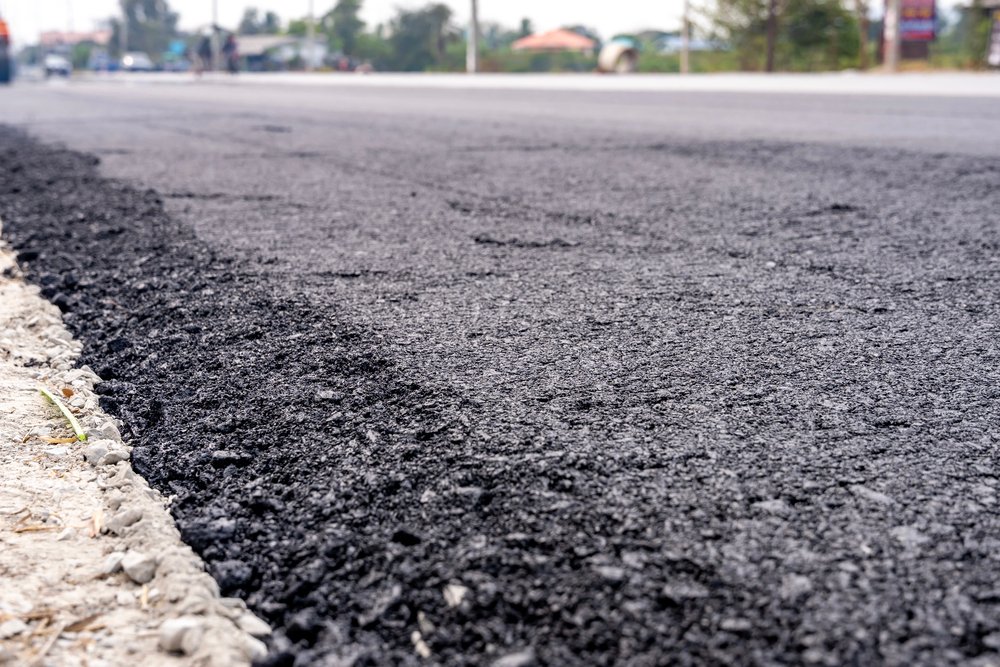
Residential, Commercial, and Municipal Work Are Different Jobs
One thing that separates full-service paving companies from driveway-only operations is the range of projects they handle — and the expertise that carries over between them.
Residential asphalt paving is personal. Your driveway is the last stop on the way home, and homeowners care about curb appeal, clean edges, and how the pavement meets the lawn and landscaping.
Commercial paving — parking lots, retail centers, industrial sites — usually happens under traffic and on tight timelines. It demands scheduling discipline, proper line striping, ADA compliance, and drainage planning so water doesn’t pool where customers walk.
Municipal paving — roadways, subdivision streets, and public pathways — comes with engineering specs, taxpayer accountability, and durability requirements that exceed anything a typical driveway sees. Contractors who handle municipal work bring that same standard of precision back to residential jobs, which is a genuine advantage for homeowners.
Sommerset Paving is a good example of this crossover benefit. With thousands of completed projects spanning driveways, high-traffic commercial lots, and municipal infrastructure, the company applies civil-engineering-level attention to drainage, compaction, and material temperature on every job — steps that many smaller outfits skip entirely.
How to Choose an Asphalt Contractor
A few questions worth asking before you sign anything:
- How thick will the asphalt be, and how many layers? Get it in writing. You can’t see the difference between 1.5 and 3 inches once it’s rolled.
- What’s the base preparation plan? Pavement is only as good as what’s under it.
- How will you handle drainage? Standing water shortens pavement life more than traffic does.
- Who’s my point of contact? The best contractors give you one person from estimate through final walkthrough.
- Can I see recent local work? Drive by a project from 5+ years ago, not just last month’s.
Be wary of dramatically low bids and door-knocking “leftover asphalt” offers. Quality paving is a skilled trade with real material costs, and a too-good-to-be-true price usually means thin asphalt, a poor base, or a contractor who won’t be around when problems show up.
A Simple Maintenance Calendar for Your Driveway
- Spring: Inspect for winter damage. Schedule crack filling and pothole repairs.
- Summer: Ideal season for sealcoating, resurfacing, and new installations — asphalt cures best in warm weather.
- Fall: Fill any remaining cracks before the first freeze. Clear leaves and debris that trap moisture.
- Winter: Use plastic shovels or rubber-edged plows, and go easy on harsh de-icers, which can accelerate surface wear.
The Bottom Line
Your driveway and your lawn are partners in curb appeal. Just as consistent mowing and seasonal care keep turf healthy, small and timely asphalt maintenance — crack sealing, sealcoating, prompt repairs — keeps pavement strong and prevents small problems from becoming expensive ones. And when it’s time for bigger work, choosing an experienced full-service contractor with residential, commercial, and municipal credentials is the surest way to get a surface that looks great and lasts for decades.