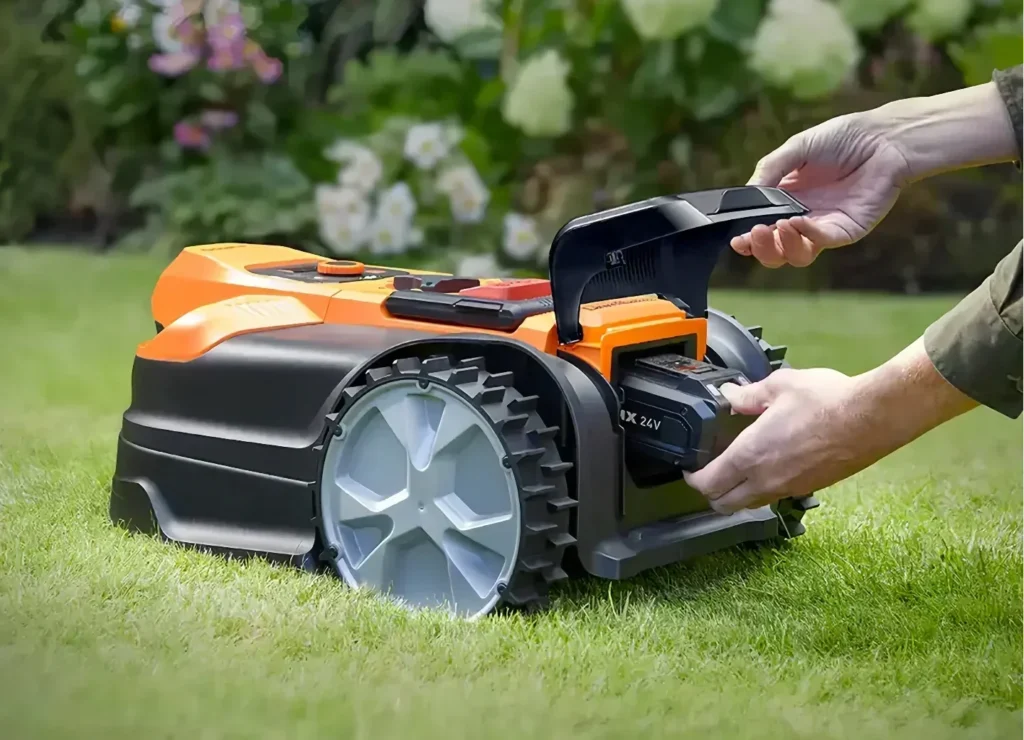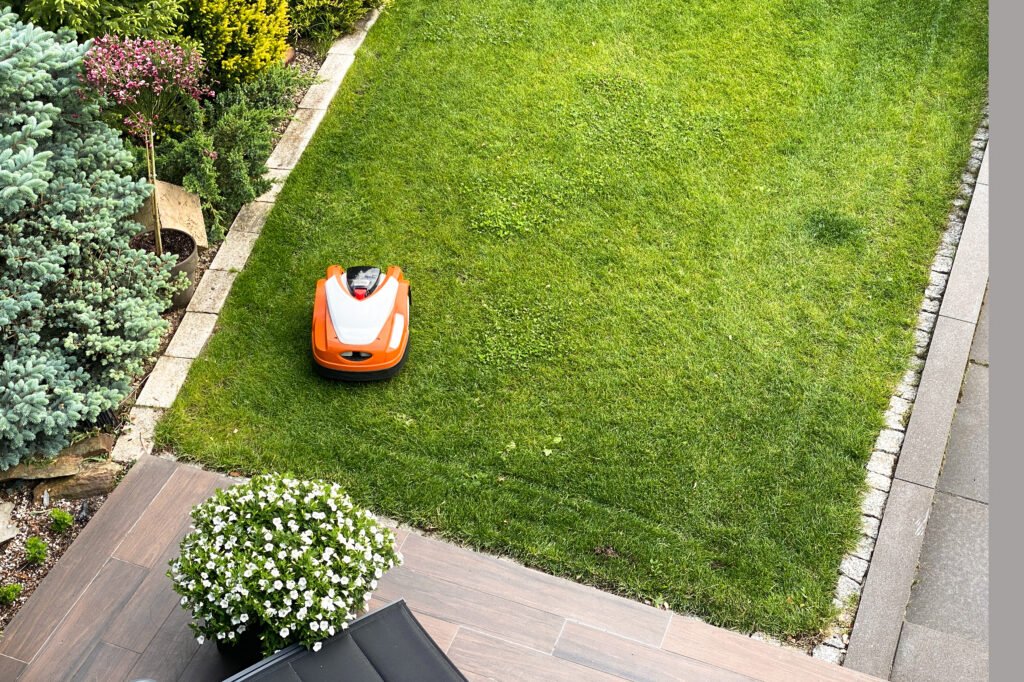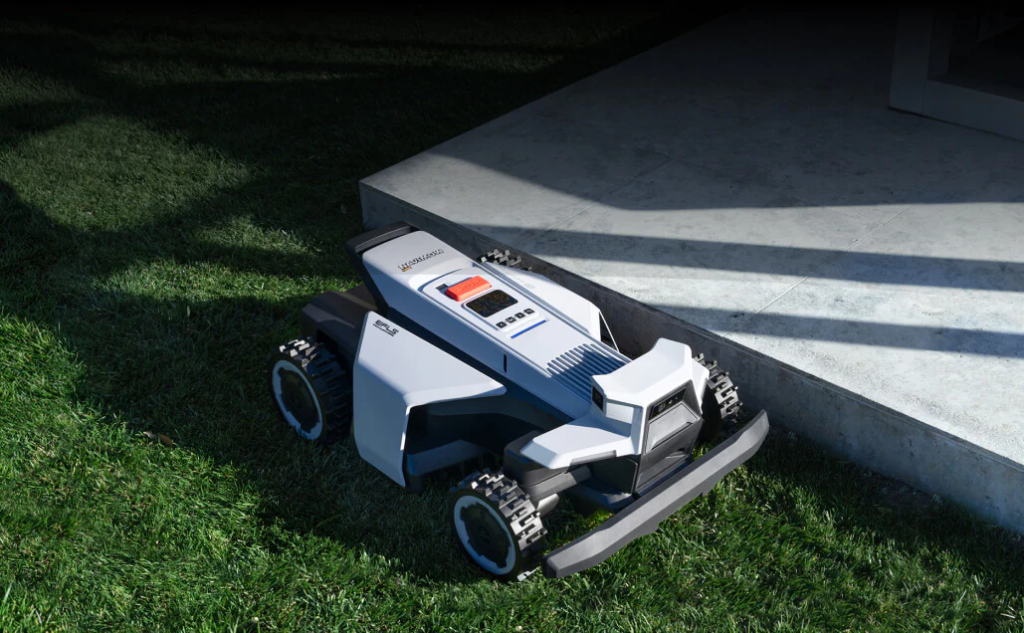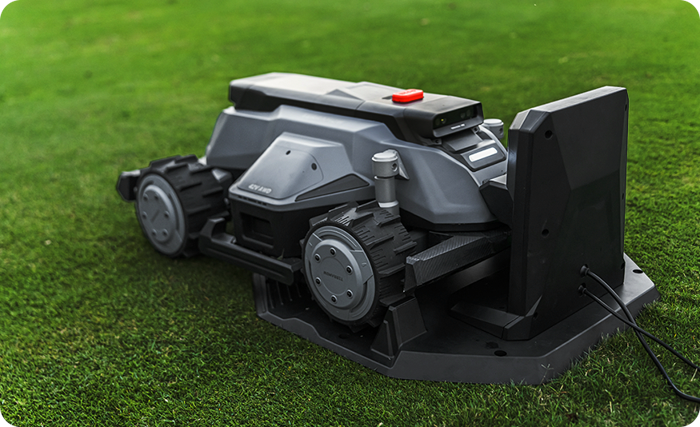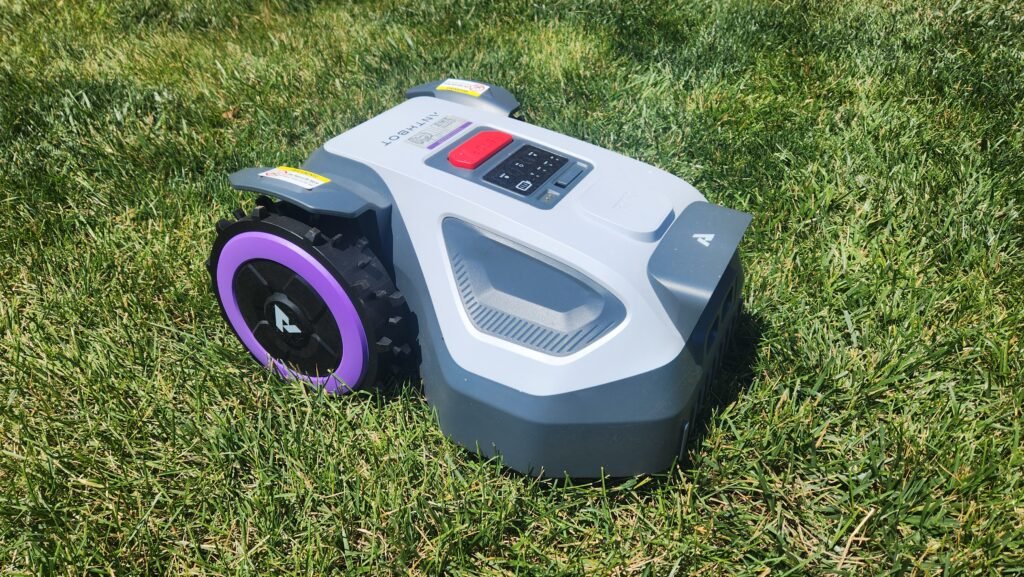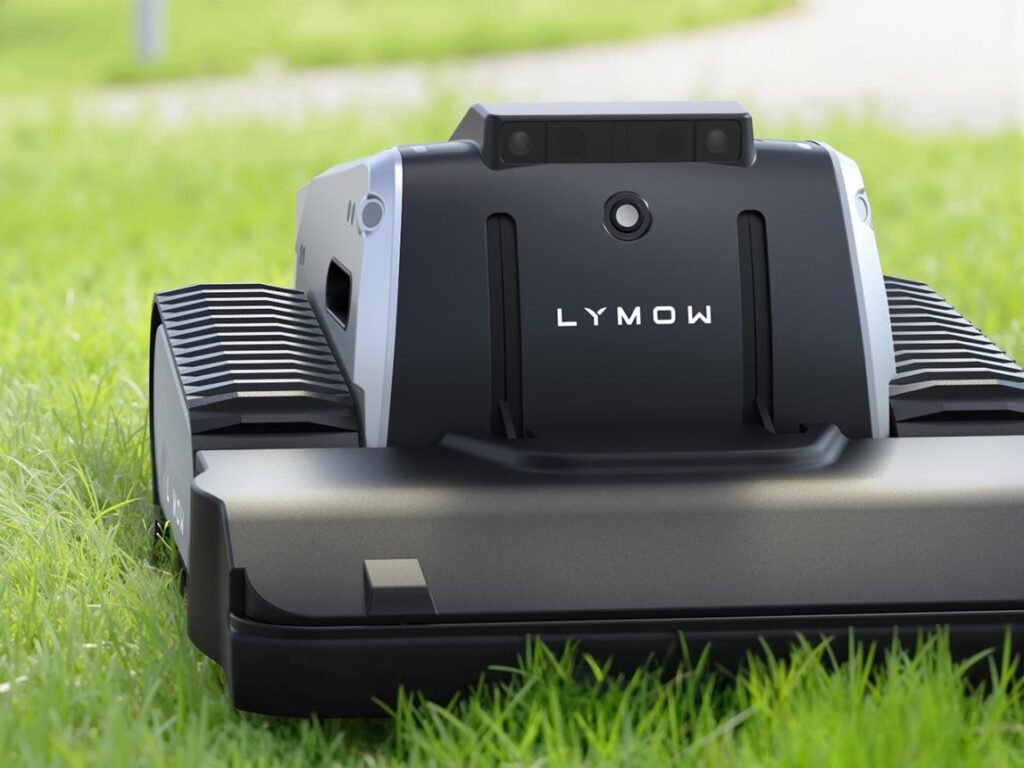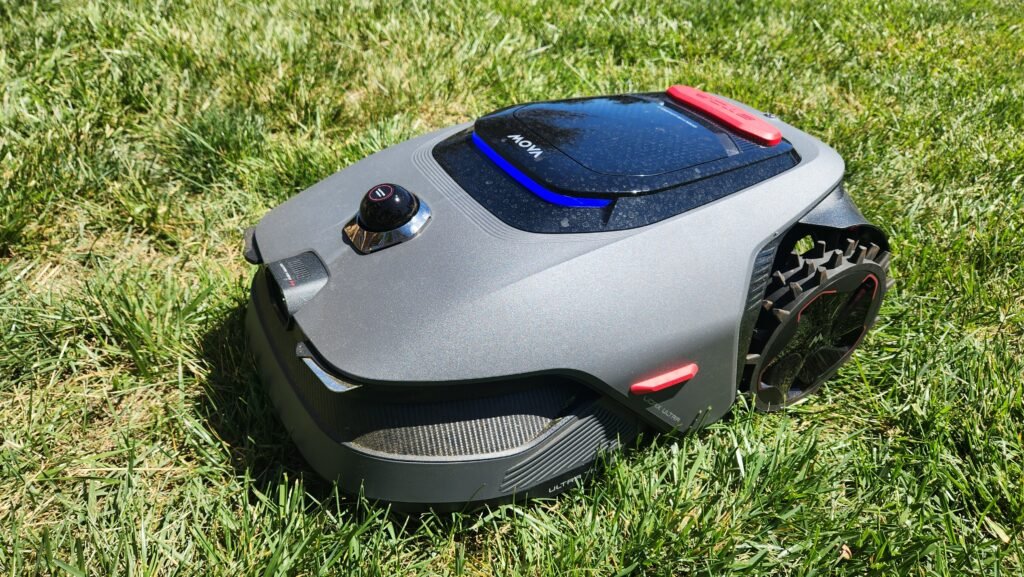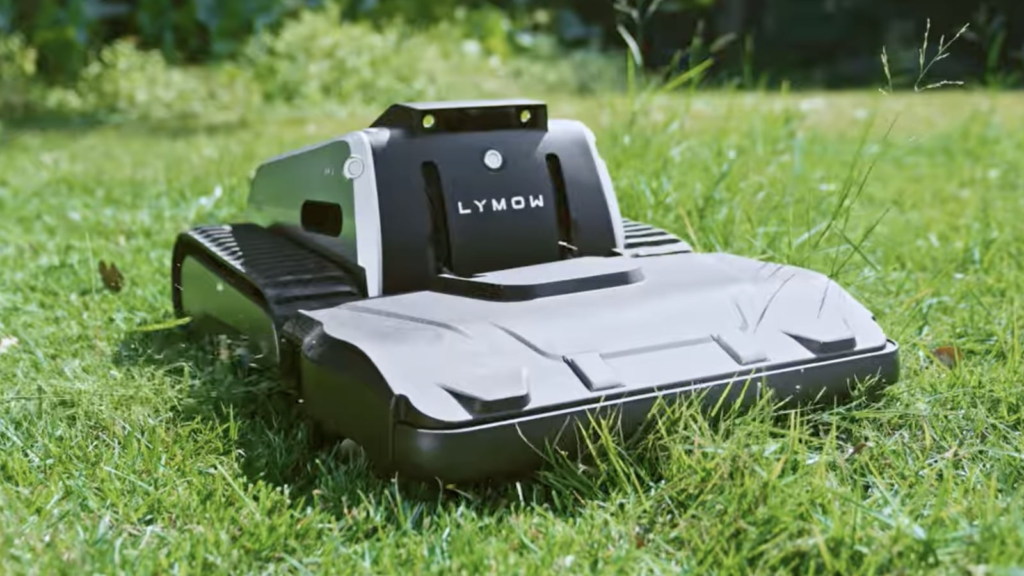

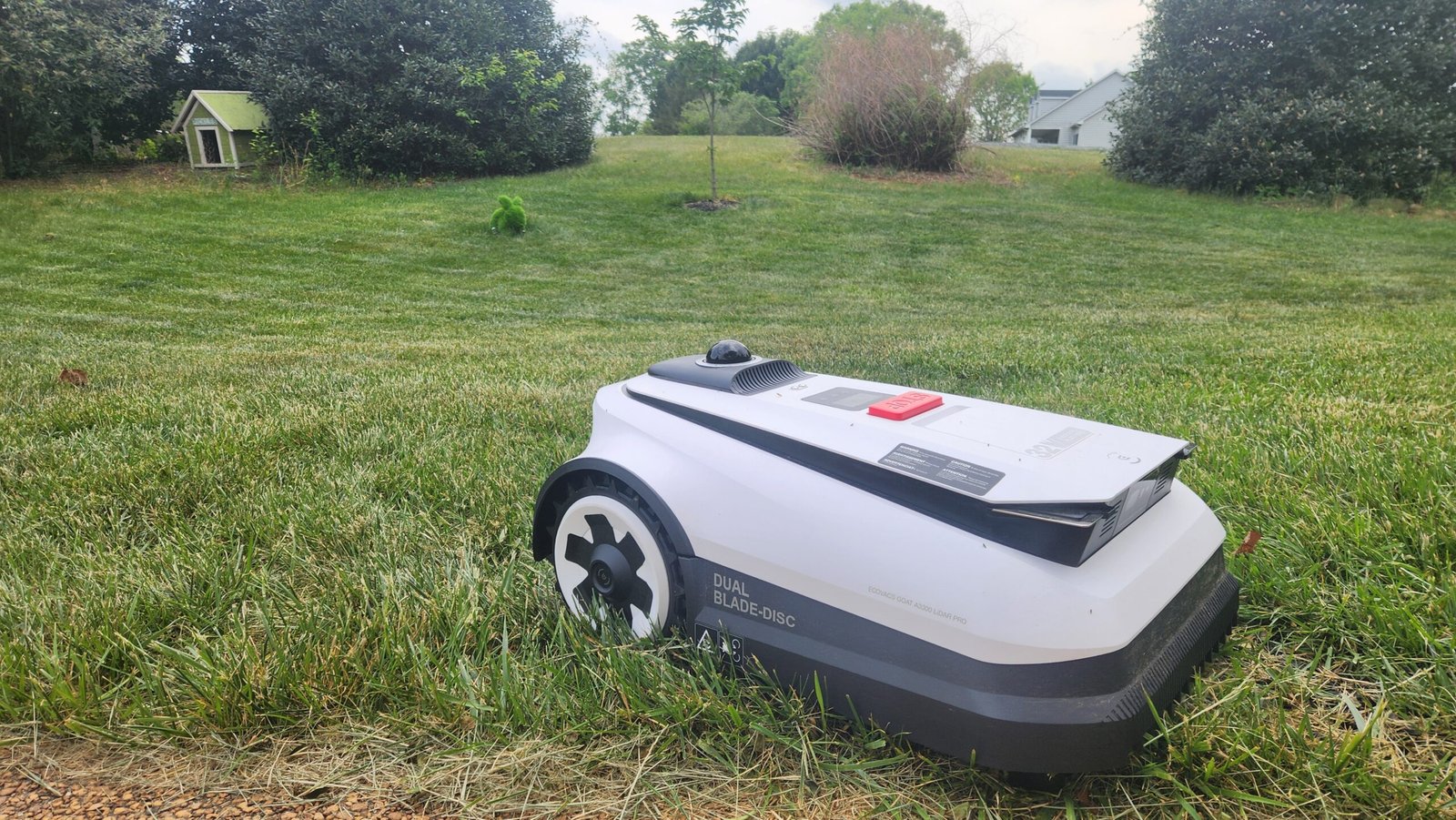
Robot lawn mowers are no longer something that you only see in a science fiction movie. Thanks to the advancements in smart navigation technology, robot lawn mowers have experienced several enhancements over the last decade. What was once considered a luxury is now affordable and practical for most homeowners to use to mow their lawns hands-free.
However, not all robot lawn mowers are equal. The primary difference between them is their navigational technology, which is required for the mower to find its way through your lawn without crossing any of its boundaries.
Conventional robot lawn mowers required wire installations set up around the property boundaries. But now, robot lawn mowers come in wireless models that use GPS, RTK, or LiDAR navigational technologies to prevent crossing the boundaries. Which one is the best?
To answer this question, you first have to understand the evolution of these various navigational technologies to understand which is currently the most reliable and precise. Once you understand that, you will have a better idea of which robot lawn mower model to choose.
How RTK Dominated GPS
GPS was the first wireless navigational technology used for wireless robot lawn mowers. Then, a more accurate version of GPS called RTK (Real-Time Kinematic) was introduced into later robot lawn mower models. Even though both technologies rely on sending and receiving signals from satellites orbiting the Earth, RTK is much more accurate and reliable than GPS.
The reason for RTK’s accuracy has to do with the reference station installed on the lawn. Unlike GPS, an RTK system utilizes a ground-based antenna as a point of reference for sending signals to satellites. That way, it can better correct the position of the robot lawn mower on the ground with more precision.
Unfortunately, RTK systems still come with their own set of problems due to their reliance on satellite positioning. They frequently experience technical difficulties, such as a weak connection between the RTK antenna and the mower, or between the RTK antenna and the satellites in outer space. Without a strong connection to and from the RTK antenna, the mower’s navigation still won’t function well.
Why Experts Now Recommend LiDAR over RTK
LiDAR is the newest navigational technology installed in the latest robot lawn mower models to correct this problem. It allows mowers to navigate lawns without using RTK, or any other satellite positioning technology. (We explain why 2026 could be the first real year of LiDAR robotic lawn mowers in a separate post.)
The way it works is simple. LiDAR, which stands for Light Detection and Ranging, uses laser sensors to measure distances on properties. A robot lawn mower equipped with LiDAR technology can use laser sensors to scan its surroundings and detect nearby objects, such as fences, trees, and walls. From there, the mower calculates the distances between these objects and constructs a digital map of your property. Then, as you use the mower, it continuously tracks its position on the map to know how close it is to these objects.

Think about how much simpler and more reliable it is to set up and use a LiDAR-based robot lawn mower. You’ll no longer need to worry about sending signals between antennas on the ground or with satellites in outer space. Instead, you’ll have a completely ground-based laser sensing technology to scan the immediate environment for maximum precision and accuracy.
The Benefits of LiDAR Robot Lawn Mower Models
LiDAR technology should be the primary consideration when shopping for your next robot lawn mower. The benefits of these LiDAR-based models include:
- Simple installation takes only minutes to complete
- Automatically measures and maps out your yard in real time
- Automatically detects changes to physical features on properties
- More accurate and reliable than RTK and GPS technologies
- Perfect for properties with tall structures that normally block satellite signals
- More efficient and organized mowing patterns
- No reference stations needed
- No satellite positioning needed
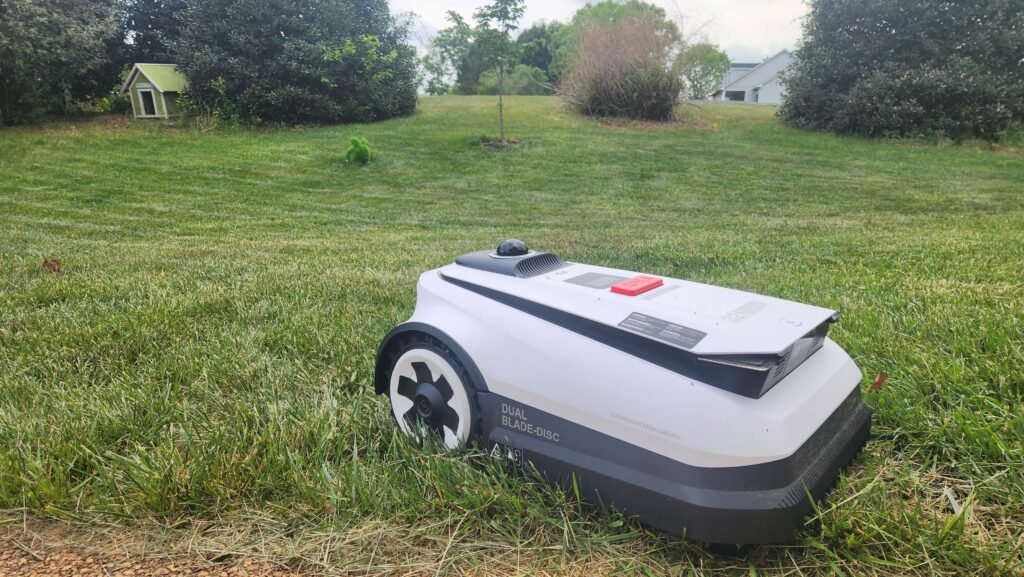
Simplicity is the best word to describe LiDAR robot lawn mower models. The LiDAR technology eliminates the common satellite connection issues by keeping the navigational system completely on the ground. For a real-world example, see our hands-on Ecovacs Goat A3000 LiDAR Pro review.
Conclusion
LiDAR robot lawn mower models can typically navigate yards up to 0.50 acres, which is more than enough for the average residential homeowner or renter. Properties larger than 0.50 acres might require a hybrid model with both LiDAR and RTK technologies, but anything less should be suitable for LiDAR only.
Not sure which model fits your yard? Answer a few quick questions with our free Robot Mower Finder to get a personalized recommendation.