

For most homeowners, the lawn mower spends five months a year parked in the back of the garage while a snow blower takes its spot by the door. Two engines to maintain, two machines to store, two sets of repairs. It’s no surprise that more people are asking whether one machine can handle both jobs.
The answer is yes — with some important caveats. Lawn tractors, garden tractors, zero-turns, and even some robotic mowers can now be fitted for snow work. But the right setup depends on your machine, your property, and the kind of winters you get. Here’s what to think through before you buy an attachment or a new “all-season” mower.
Which Mowers Can Actually Handle Snow?
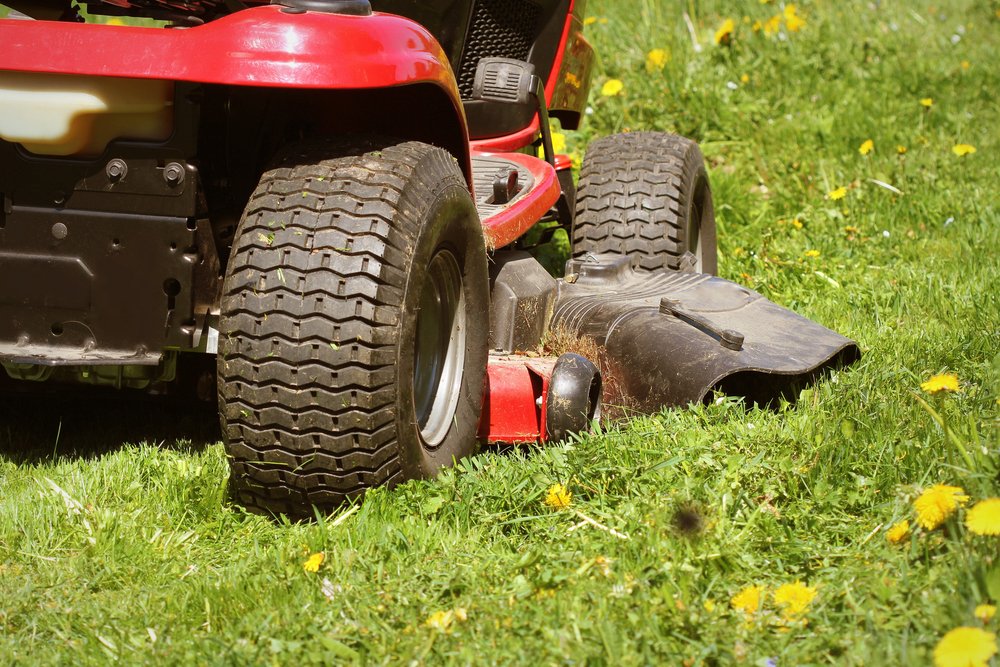
Lawn and garden tractors. These are the most common year-round machines. Many models accept front-mounted snow blowers, dozer blades, or both. Garden tractors, with heavier frames and stronger transmissions, generally handle snow work better than light-duty lawn tractors.
Stand-on and zero-turn mowers. Some commercial-grade platforms are designed to swap decks for plows, power brooms, or blower attachments. They’re powerful and fast, but the attachments and mounting kits can cost as much as a standalone snow blower.
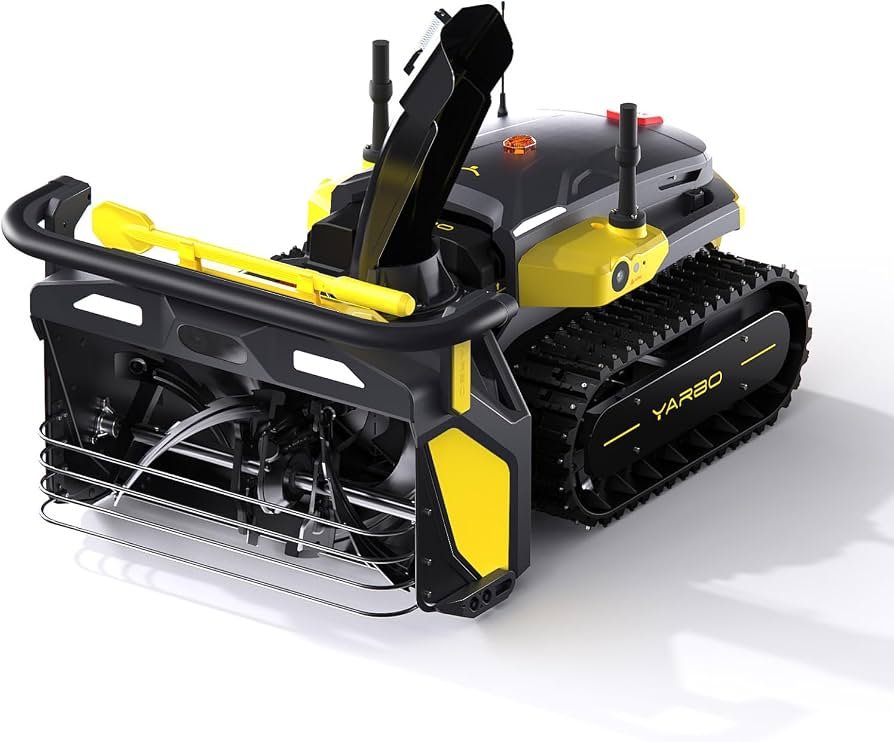
Robotic mowers. A newer category of modular robots can swap a mowing module for a snow-clearing module. They’re impressive and convenient, but expensive, and they work best on smaller, simpler driveways with moderate snowfall.
Push mowers. Not a realistic option. Walk-behind mowers aren’t built to move snow, and attempting it risks damage and injury.
Blower, Blade, or Broom?
Each attachment type suits a different kind of winter.
- Snow blower attachments throw snow away from the cleared path, which avoids big banks along the edges. They’re the best choice for deep or frequent snowfall.
- Dozer or plow blades push snow to the side. They’re simple and durable but can build up tall piles that are hard to manage late in the season.
- Power brooms sweep away light, fluffy snow and are gentle on pavers and decorative surfaces. They struggle with heavy, wet snow.
If your area gets heavy, wet snow — common in the Midwest — a blower attachment generally outperforms a blade.
Traction Is Everything
A mower that grips perfectly on summer grass can spin helplessly on packed snow. Before winter, plan for:
- Tire chains sized for your rear tires
- Wheel weights or a rear ballast to keep the drive wheels planted
- Turf tires vs. ag tires: aggressive tread helps in snow but can tear up the lawn in spring
Slopes deserve special caution. A grade you mow every week can become dangerous when it’s icy.
Hidden Costs to Budget For
The attachment price is only the start. Factor in:
- Mounting brackets, lift kits, or hydraulic adapters
- Chains and weights
- A cab or weather enclosure if you’ll be out in long storms
- Seasonal changeover time (removing the deck, mounting the blower, and reversing it in spring)
- Storage space for whichever attachment is off the machine
- Extra wear on the engine and drivetrain from year-round use
For many homeowners, the combined cost still beats buying and maintaining a separate snow blower. For others, especially with small driveways, a dedicated single-stage blower is cheaper and simpler.
Winter Maintenance Tips
Running a mower in freezing weather changes the maintenance routine:
- Switch to oil rated for cold starts, as specified in your owner’s manual.
- Use fresh, stabilized fuel.
- Keep the battery charged — cold drains it fast.
- Grease pivot points and check belts before the first storm.
- Clear snow and salt off the machine after each use to prevent corrosion.
- Never clear a clogged chute by hand; shut the engine off and use a clearing tool.
Is It Worth It?
A year-round mower makes the most sense if you already own a capable garden tractor or commercial mower, your property has a long or open driveway, and you have the time to swap attachments each season. It makes less sense if your driveway is short, your snowfall is light, or you’d rather not deal with changeovers at all.
For a deeper look at specific machines, attachment types, and what owners like and dislike about them, this guide to lawnmowers that can also remove snow compares the main options side by side, including approximate pricing and compatibility notes.
Whatever you choose, confirm compatibility with your mower’s manufacturer or dealer before buying an attachment. The right setup can turn one machine into a true four-season tool — and free up a lot of space in the garage.