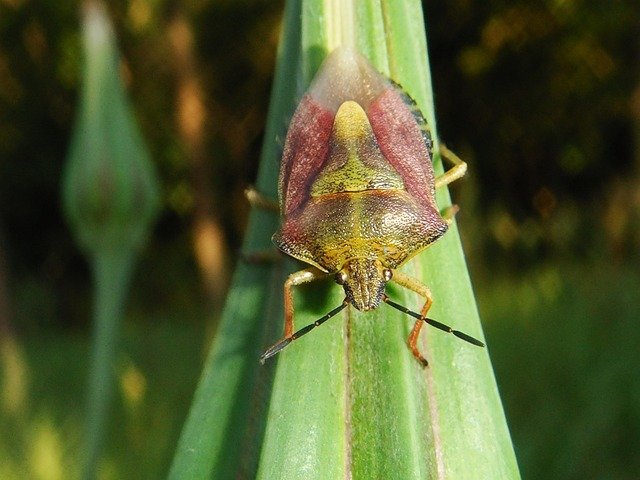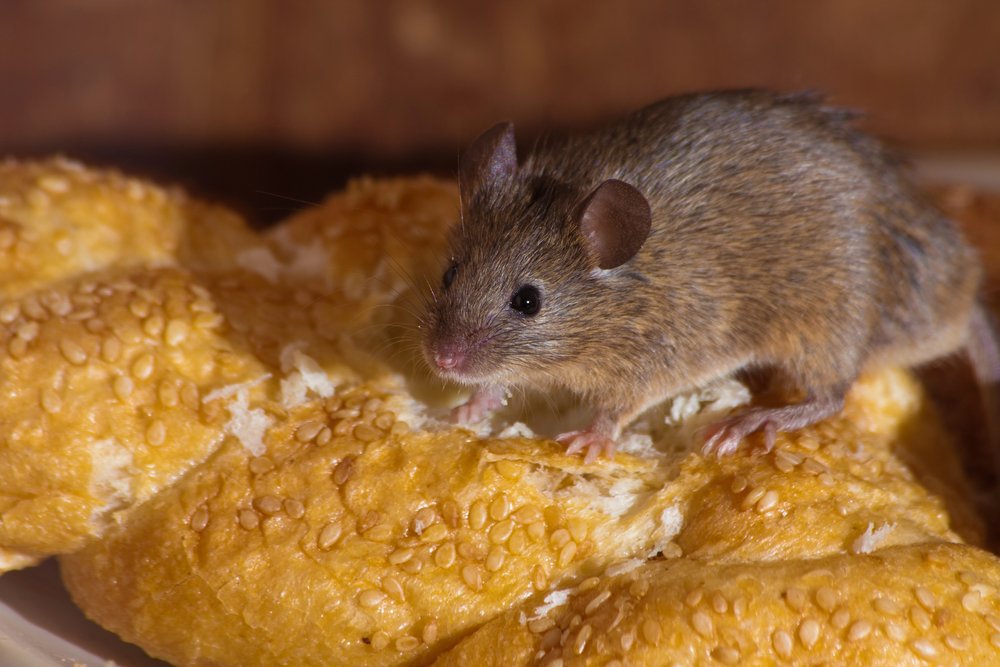

Most homeowners think of lawn pests and household pests as two separate categories entirely: one lives outside and chews up the grass, the other gets into the walls. In practice, the line between the two is much blurrier than it looks. Several of the pests that damage a lawn are also strong indicators of conditions that make a home more vulnerable to termite activity and other structural pest issues nearby.
Moisture is the common thread. A lawn that stays consistently damp, whether from poor drainage, overwatering, or shaded areas that never fully dry out, attracts exactly the kind of pest activity that also draws termites toward the foundation of a nearby home. Homeowners who notice recurring lawn pest issues are often well served by having a professional Healthy Home Termite & Pest Control inspection alongside their usual lawn care routine, since the two problems frequently share a root cause.
The Lawn Pests Worth Paying Attention To
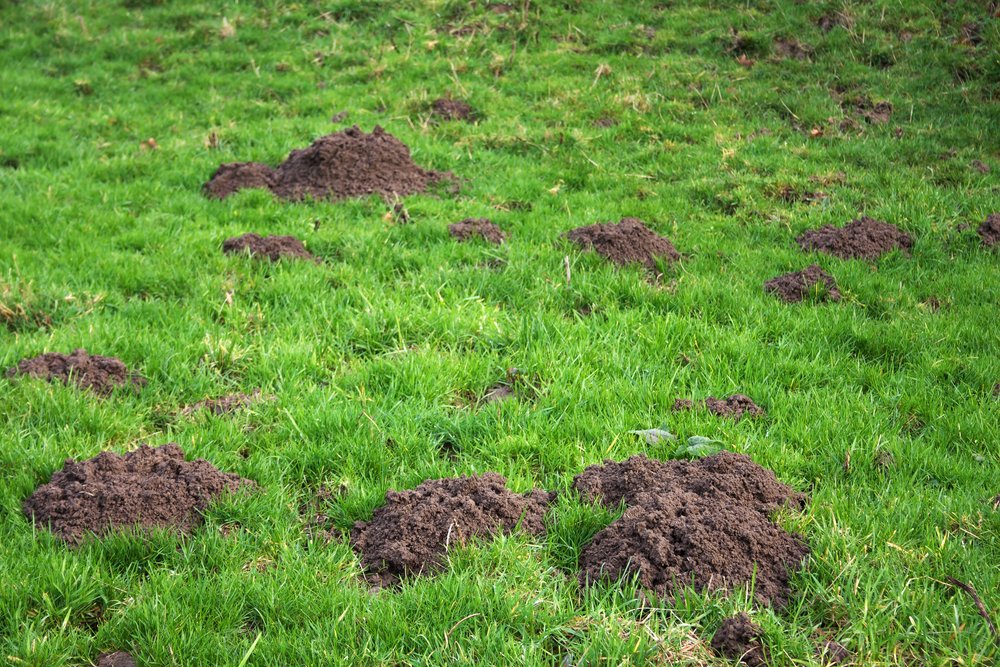
Our own piece on moles and voles, the lawn pests nobody warns you about, covers two of the more disruptive lawn visitors, but they are also a useful signal worth reading correctly. Moles primarily follow grub populations underground, and a heavy grub infestation often means excess moisture and organic matter buildup in the soil, the same conditions that make the perimeter of a home more attractive to subterranean termites searching for a food source close to the foundation.
Similarly, a lawn with heavy earwig or sowbug activity, both of which thrive in damp, decaying organic matter, often indicates a moisture problem extending from the yard right up to the base of the house. These pests themselves rarely cause structural damage, but their presence is a useful early warning that the same conditions supporting them could eventually support something more destructive closer to the home.
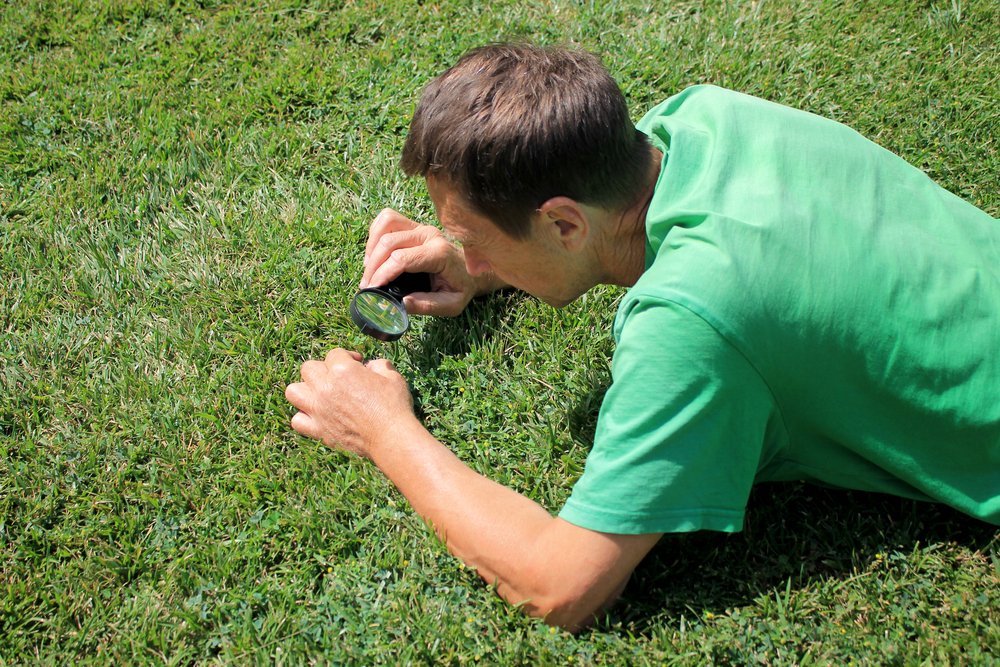
Why Robot Mowers Don’t Solve This Problem
A well-maintained lawn, even one kept immaculate by a robotic mower on a consistent schedule, does not automatically address the underlying moisture and drainage issues that drive both lawn pest activity and termite risk. Mowing height and frequency affect grass health, but they do very little for soil moisture retention, drainage patterns, or the organic debris that accumulates in mulched beds along a foundation. Addressing pest risk requires looking past the mowing routine entirely, toward drainage grading, gutter function, and the moisture level of soil directly against the foundation.
The Scale of the Industry Addressing These Risks
Pest and termite service represents a substantial, well-established industry, reflecting how frequently these moisture-related issues show up across American homes. According to IBISWorld’s industry analysis, the U.S. pest control industry is valued at $29.7 billion in 2026, spread across more than 34,000 businesses nationwide.
| Metric | Figure |
|---|---|
| U.S. pest control industry size (2026) | $29.7 billion |
| Number of U.S. pest control businesses | 34,076+ |
| Industry revenue CAGR (2021 to 2026) | 3.4% |
| Projected 2026 revenue growth | ~1.8% |
That scale reflects an industry responding to a genuinely widespread issue rather than a niche concern, one that connects directly back to the same lawn conditions homeowners already monitor as part of routine mowing and maintenance.
Reading the Lawn as an Early Warning System
Homeowners who pay attention to which pests show up in the yard, and where, gain a useful head start on problems that might otherwise surface first as damage inside the home. A lawn that consistently attracts moisture-loving pests is worth treating as a signal to check drainage and foundation conditions, not just a lawn care inconvenience to mow around.