

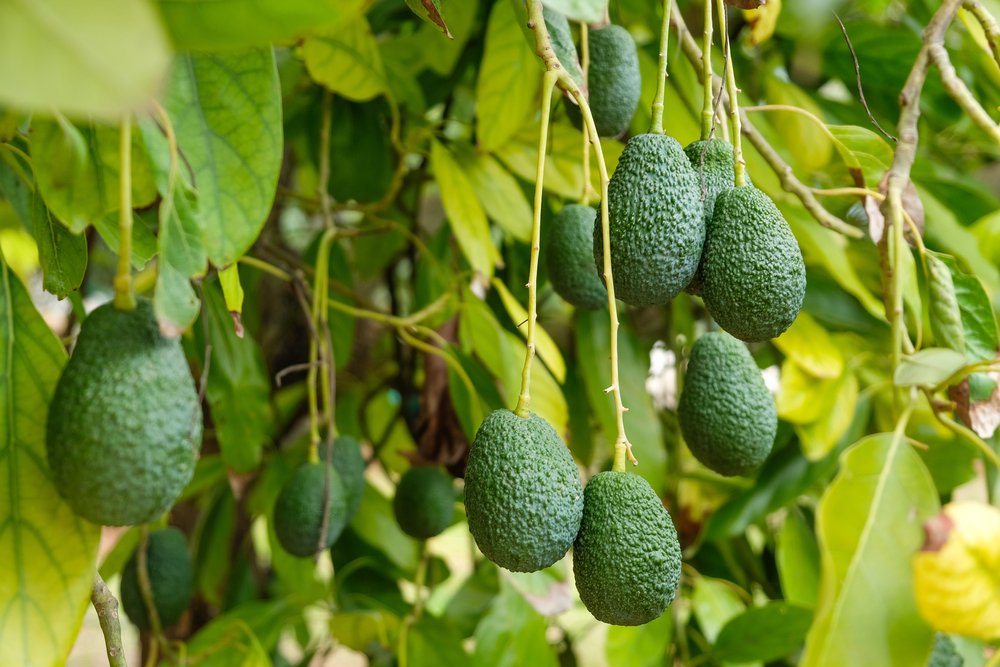
Every time avocado prices spike, someone online suggests just growing your own. It sounds appealing until you start asking practical questions. Can an avocado tree survive outside of California and Florida? What does it actually take to get one established in an ordinary backyard, and is the payoff worth years of waiting? The answer is more encouraging than most people expect, though it depends heavily on where you live and how much patience you’re willing to invest before you see fruit.
What Your Hardiness Zone Actually Determines
Avocado trees are subtropical, and that single fact shapes almost everything else about growing one. Standard varieties need warm, frost-free winters, which is why commercial production in the US stays concentrated in California, Florida, and small pockets of Texas and Hawaii. Home gardeners further north aren’t necessarily out of luck, but they do need to know exactly what their yard experiences in a rough winter before they commit to planting.
The clearest way to check is the USDA Plant Hardiness Zone Map, which breaks the country into bands based on average annual minimum temperatures. Standard avocado varieties do best in zones 9 through 11, where winter lows rarely dip below 20°F. Anything colder than that, and a conventional avocado tree planted directly in the ground is gambling against the odds every single winter, no matter how well it’s cared for the rest of the year.
When Winter Gets Serious
Zone 9 and above covers a lot of ground, but it still leaves out most of the country. That’s where cold-hardy Mexican-type avocado varieties come in. Unlike the West Indian and Guatemalan types that dominate commercial groves, Mexican-type avocados evolved in cooler highland regions and carry noticeably better frost tolerance as a result. Established trees of these varieties can survive brief dips into the high teens without dying outright, even though a hard freeze will still burn leaves and set back young growth for a season.
That resilience doesn’t mean a homeowner in zone 7 or cooler should plant one directly in the yard and hope for the best. Even cold-hardy varieties struggle with sustained freezes, waterlogged winter soil, and the kind of wide temperature swings that are common outside the Deep South and the West Coast. For most people gardening in zone 8 or colder, an avocado tree makes more sense as a large container plant that spends summers outdoors and winters somewhere protected, an option worth planning for from the start.
Choosing and Preparing a Planting Site
For anyone in a warm enough zone to plant directly in the ground, site selection matters just as much as variety. Avocado roots are shallow and sensitive to standing water, so low spots that collect runoff after a storm are a poor choice no matter how much sun they get. Full sun and excellent drainage come first; everything else about siting the tree is secondary to those two conditions.
Spacing is the detail most first-time growers underestimate. University of Florida horticultural extension guidance lays out recommended spacing for backyard avocado trees of at least 23 to 30 feet away from buildings, fences, and other trees, since a mature avocado can eventually reach 30 feet or more in both height and spread. Planting too close to a structure or another tree usually means fighting shade and root competition for the rest of the tree’s life, and that kind of mistake tends to show up later as disappointing fruit production rather than an obvious problem on planting day.
What Planting One Actually Costs
Once the site is chosen, the financial side is usually smaller than people assume, at least for a young tree. A grafted avocado sapling in a 3-gallon container typically costs well under $75, and installing a small tree is a comparatively quick job next to a mature specimen. For context, national tree planting cost estimates put small tree installation, covering labor, transport, and basic site prep, somewhere between $70 and $250, with fruit trees generally landing at the lower end of that range compared to large ornamental or shade species.
The bigger cost tends to show up later, in the form of patience rather than dollars. Grafted trees typically need a few years of growth before they bear fruit, and yields build gradually as the tree matures and its canopy fills out. Homeowners hoping for guacamole by next summer are usually disappointed. Homeowners who treat it as a multi-year landscaping project tend to be much happier with how things turn out.
Growing an Avocado in a Container
For anyone outside zones 9 through 11, or anyone without the yard space for a tree that eventually spans 25 feet, a container is the realistic path forward. Dwarf varieties, grafted onto compact rootstock, top out around 8 to 10 feet and can be moved indoors or into a garage ahead of a hard freeze. The tradeoff is a smaller harvest and more attentive care, since containers dry out faster than ground soil and need more frequent watering, especially during the active growing season.
A well-draining potting mix, a container with generous drainage holes, and a spot that gets several hours of direct sun each day cover the basics. Root rot from overwatering, not cold, is usually what kills a container avocado, so consistency matters more than volume when it comes to sticking to a watering schedule through the year.
Fitting a Fruit Tree Into an Existing Landscape
An avocado tree doesn’t have to be a standalone project. Homeowners already planning a yard with shade coverage or seasonal interest can approach it the way they’d approach any of the other fast-growing fruit trees for yards, working it into a broader planting plan alongside ornamentals and shade species. Its dense, glossy foliage provides decent shade once established, and its evergreen habit means it holds its leaves through winter in the zones where it survives outdoors year-round, a nice bonus compared to deciduous fruit trees that go bare for months at a time.
The key is treating it as a long-term landscape feature rather than a quick win. An avocado tree earns its place over years, not seasons, and planning around that timeline from the start avoids the disappointment of expecting a fast payoff from what is, by nature, a slow-growing investment.
The Payoff on the Plate
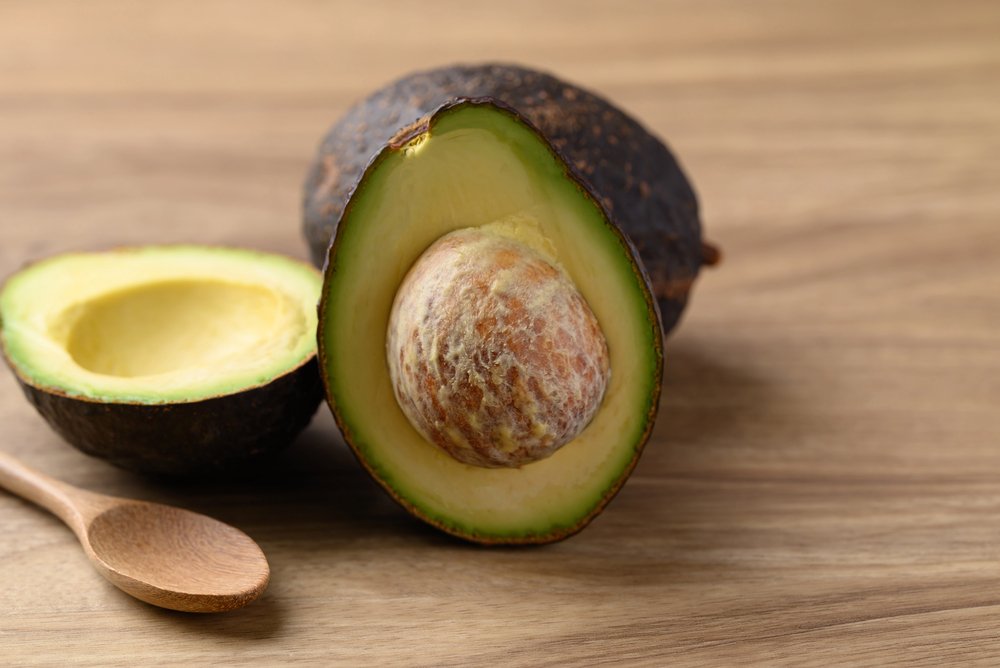
Assuming the tree survives long enough to fruit, the reward extends past the kitchen. Fresh avocados bring fiber, folate, vitamin E, potassium, and the antioxidant lutein to the table, and researchers have connected several of these nutrients to cognitive benefits linked to eating avocados, including memory support, sharper focus, and steadier energy through the day. That’s a meaningful bonus for a homeowner who’s put years into establishing a tree, since the fruit isn’t just a landscaping trophy. It’s a food source with a documented role in long-term brain health, on top of everything the tree itself contributes to the yard.
Whether the payoff is worth the wait depends on climate, patience, and how much a homeowner enjoys a long-term project. For anyone in a warm enough zone or willing to manage a container tree through colder winters, growing an avocado tree is a genuinely achievable goal rather than an internet fantasy. It needs the right zone, the right spacing, and a few years of patience, but the eventual harvest, and the nutritional case for eating it, makes the project worth considering for the right yard.