
Most homeowners think of roof problems as an inside-the-house issue, something that shows up as a water stain on the ceiling or a leak in the attic. But an aging or failing roof affects more than what’s underneath it. The water it sheds, or fails to shed properly, lands directly on your lawn, garden beds, and landscaping below, and over time that runoff can do real damage.
Here’s how roof condition and yard health end up more connected than most people realize.
Damaged shingles change how water sheds off the roof
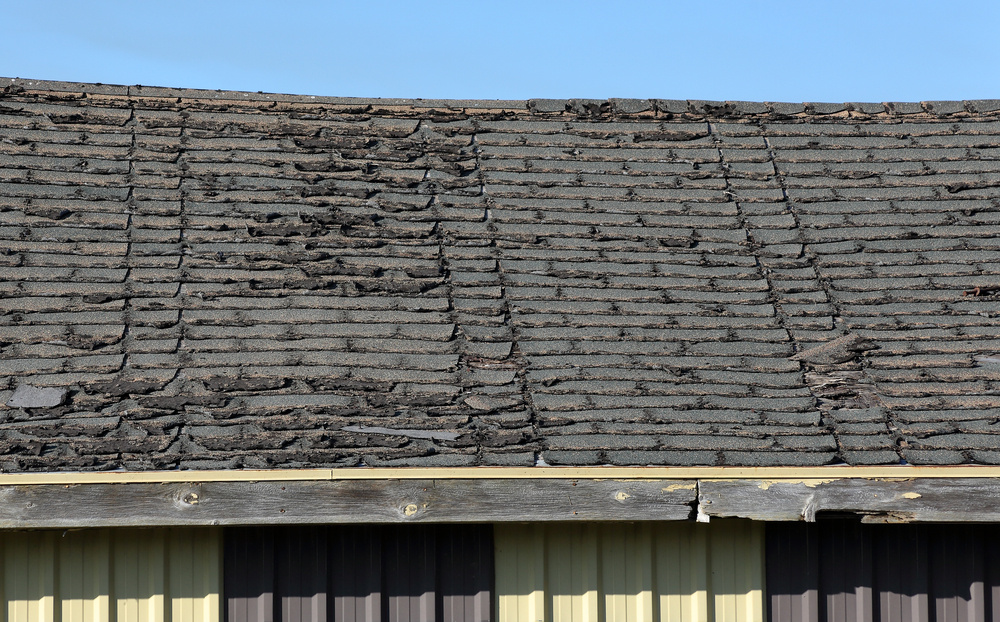
A healthy roof directs water evenly off the surface and into the gutter system. When shingles are cracked, curling, or missing in patches, water no longer sheds the way it’s supposed to. Instead, it can pool in certain areas, run off unevenly, or pour directly off the edge of the roof rather than into the gutters. Over time, this uneven runoff concentrates water in specific spots on the ground below, which can drown grass, erode mulch beds, and oversaturate soil around the foundation.
If you’re in central Ohio, The Roofing Guys can assess the roof and gutter system and help determine whether a repair or replacement is the right next step.
Clogged or damaged gutters send water where it doesn’t belong
Roof problems and gutter problems tend to go hand in hand, since an aging roof often sheds more granules and debris that end up clogging the gutter system. When gutters overflow or gutters have pulled away from the roofline due to rot or damage, water dumps straight down along the edge of the house instead of being carried away to a proper drainage point. That concentrated water flow is a common cause of soil erosion, washed-out mulch, and bare patches in the grass directly beneath the roofline.
Erosion and soil compaction near the foundation
Repeated, concentrated water runoff along the same section of yard doesn’t just wash away mulch. Over time, it can erode topsoil, compact the ground, and create uneven, soggy patches that are difficult for grass and plants to establish in. This is especially common in areas directly below roof valleys, where multiple roof planes funnel water into a single concentrated stream.
Overwatered landscaping beds and root rot
Garden beds and foundation plantings are often placed close to the house, which means they’re especially vulnerable to excess roof runoff. Plants that receive far more water than they’re suited for can develop root rot, fungal issues, and general decline, even if they’re otherwise well cared for. If certain plants near the house keep struggling despite good soil and proper care, unusually heavy or concentrated runoff from the roof is worth ruling out.
Ice dams and their effect on landscaping below
In colder climates, poor roof ventilation or aging shingles can contribute to ice dams forming along the roof edge. As these dams melt and refreeze, they often send extra water cascading off the roof in concentrated bursts rather than a steady, even flow. This repeated freeze-thaw runoff can be especially hard on landscaping beds and lawn areas directly below the eaves, sometimes causing more damage over a single winter than a full season of normal rainfall.
Signs your roof may be the source of yard drainage issues
A few patterns are worth watching for if you’re noticing recurring problems in specific areas of your yard. Bare or soggy patches that consistently appear in the same spot after every rain, mulch that seems to wash out faster in certain beds than others, or plants that struggle despite otherwise healthy soil can all point back to a roof and gutter system that isn’t managing water the way it should.
Addressing the roof to protect what’s growing beneath it
Fixing yard drainage issues without addressing a failing roof or damaged gutter system is often just a temporary patch. Once the roof itself is properly repaired, replaced, or paired with well-functioning gutters, water gets redirected the way it’s meant to, taking the pressure off the lawn and landscaping below.