
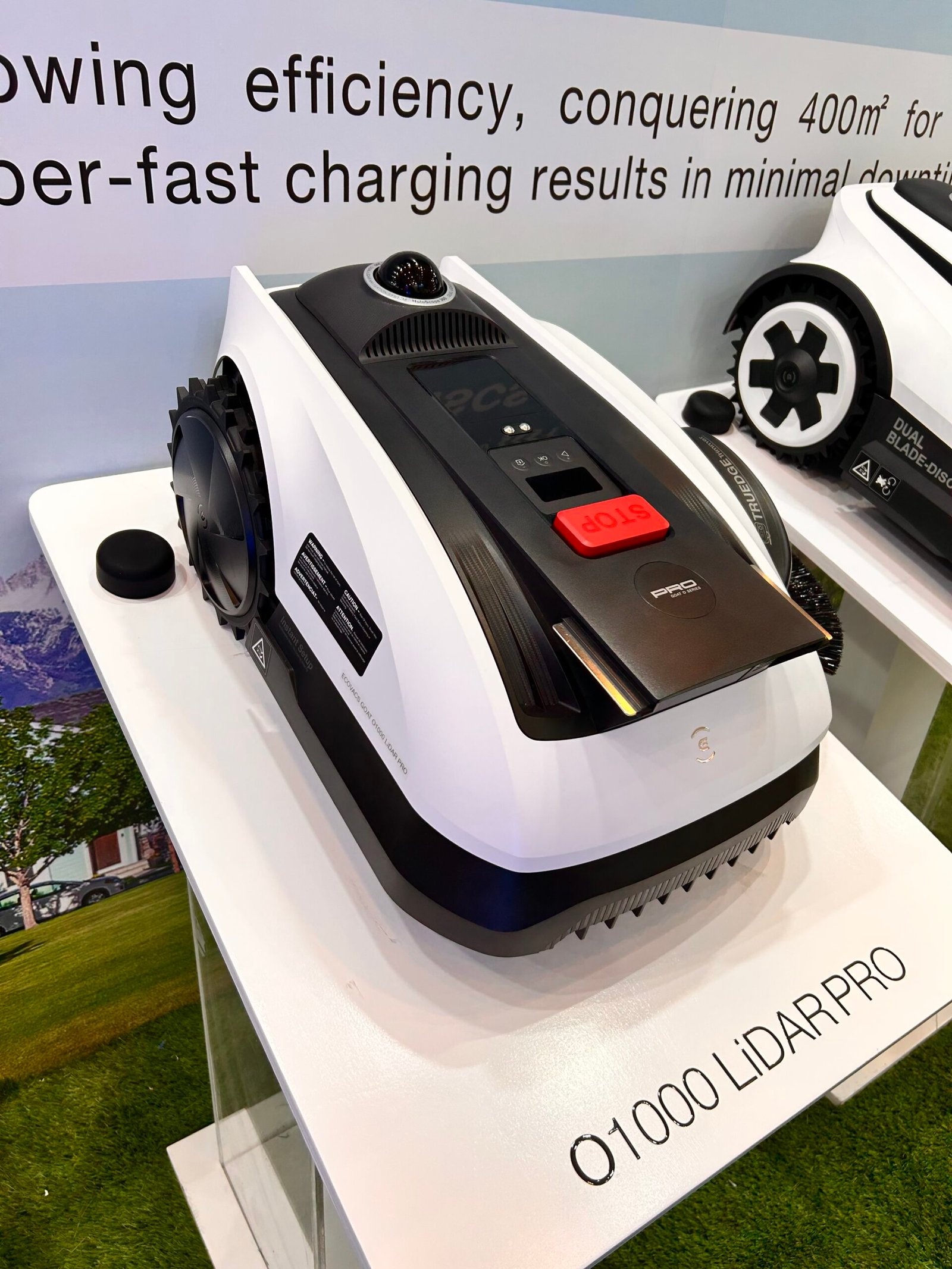
What I saw at CES 2026—and what a year of living with RTK robot mowers has taught me
Over the past year, I’ve tested and lived with multiple RTK-based robotic lawn mowers. I’ve installed them, reinstalled them, defended their base stations from weather and wildlife, and explained to friends why my “fully autonomous” mower occasionally needed more attention than a riding mower.
Then CES 2026 happened.
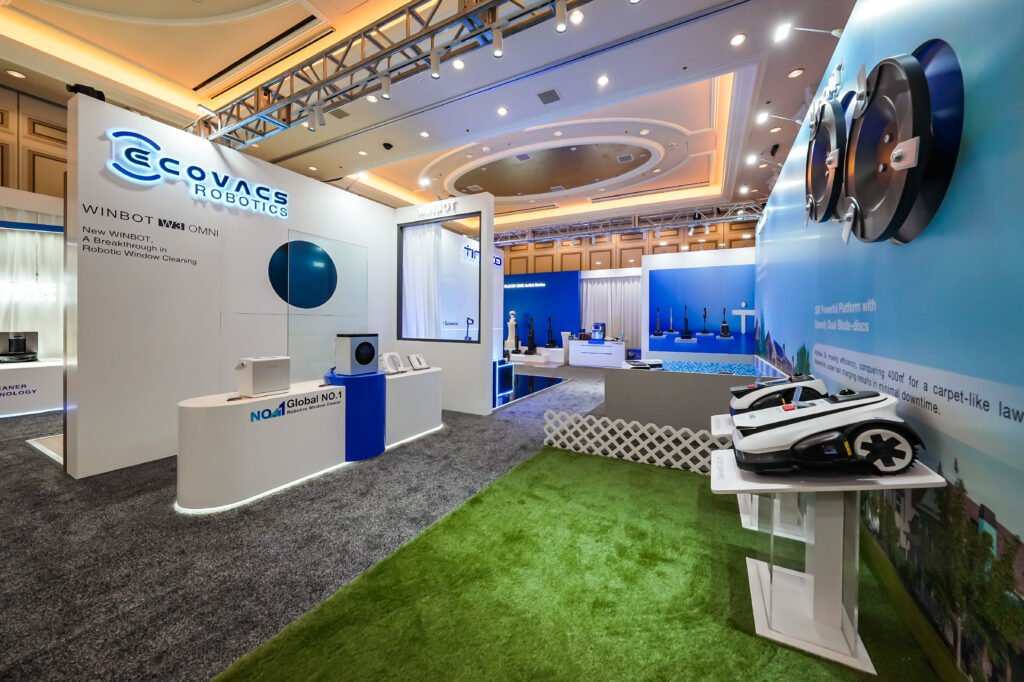
At the ECOVACS booth, I saw three brand-new LiDAR-based GOAT robotic lawn mowers, and for the first time it felt like the industry might finally be turning a corner. Not just a spec upgrade—but a philosophical one.
This article isn’t a product pitch. It’s an educational comparison, grounded in:
· What I personally saw at CES 2026
· What I’ve experienced firsthand using RTK and LiDAR robotic mowers over the last year
And it centers around one big idea:
2026 may be the first true breakout year for LiDAR robotic lawn mowers.

What CES 2026 Made Clear
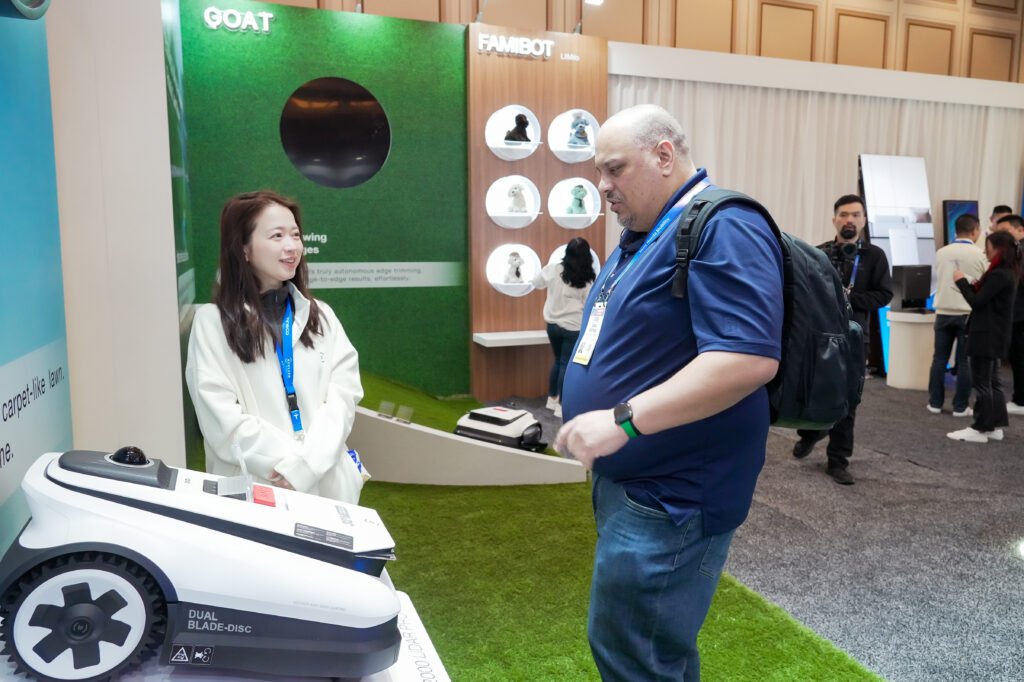
Walking the ECOVACS booth, the message was obvious: LiDAR is no longer experimental or niche. It’s now being positioned as a primary navigation system—not a backup.
The three new GOAT models on display all relied on LiDAR-based navigation, wire-free mapping, and real-time obstacle detection. No RTK poles. No base stations. No sky-facing anxiety.
That matters more than it might sound.
—
My RTK “Pain Story” (A Cautionary Tale)
RTK robot mowers can work well. When everything is perfect.
But perfection is fragile.
To explain why LiDAR feels like such a big deal, it helps to walk through my real RTK experience—broken into three stages.
Stage 1: Installation (Where Optimism Goes to Die)
RTK installation always starts with confidence.
“This won’t be that bad.”
Then reality sets in.
1. The Base Station Hunt
Finding the “perfect” spot for the base station meant balancing: – Sky visibility – Distance from the mower – Power access – Mounting stability
I’ve mounted stations on poles, fences, sheds—only to move them again. This type of work gets very frustrating very quickly.
2. The Angle Shuffle
Even once mounted, it’s never quite right. I’ve adjusted angles, distances, and positions repeatedly to chase better signal quality.
3. Sky Anxiety
Cloud cover. Tree growth. Seasonal changes.
RTK turns you into a part-time amateur meteorologist, constantly wondering if today’s mowing failure is weather-related or user error.
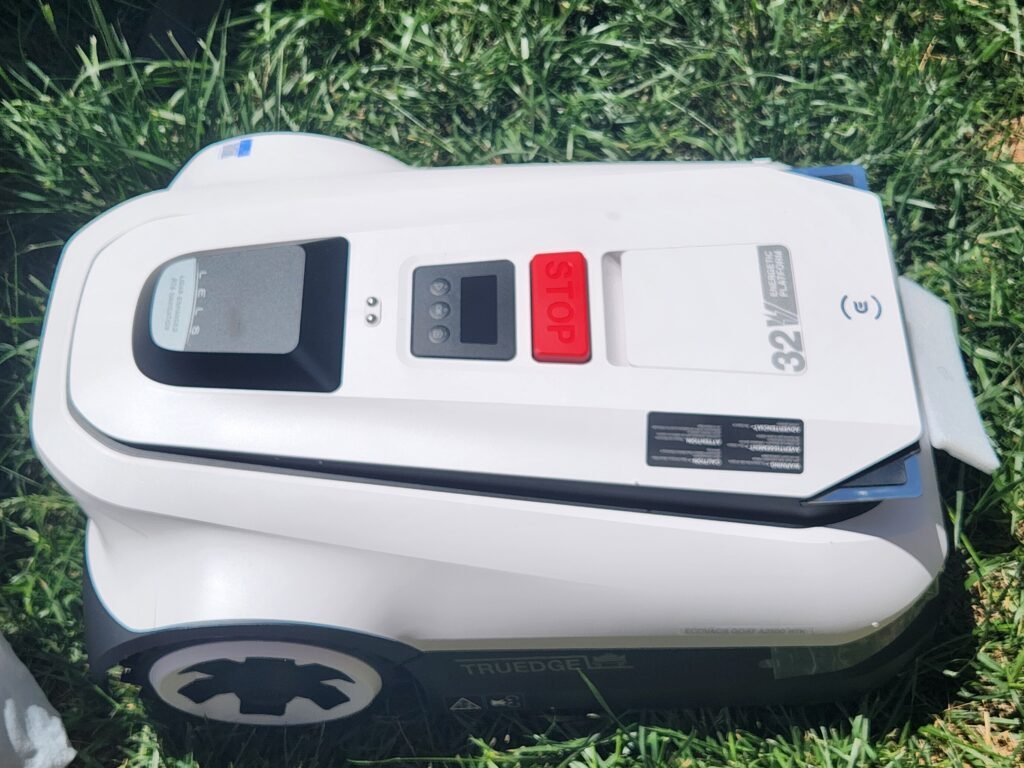
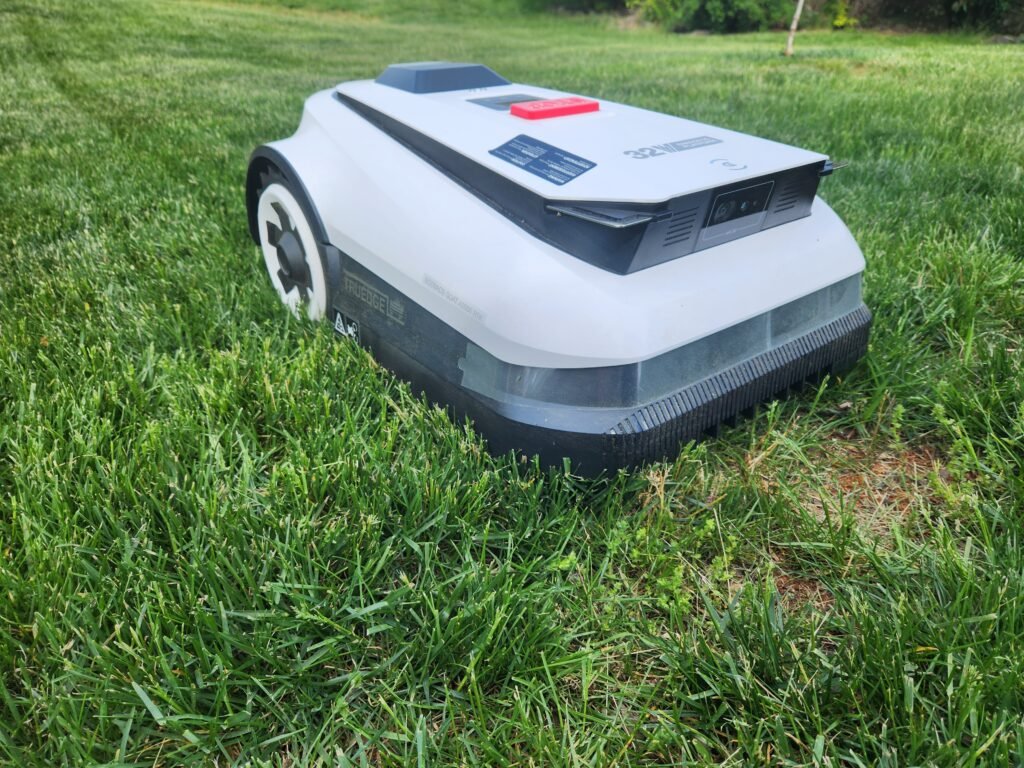
Stage 2: Daily Use (The Death of “Set and Forget”)
Once installed, RTK mowers promise autonomy. In practice?
4. New Obstacle, New Problem
Plant a tree. Move a shed. Park a trailer.
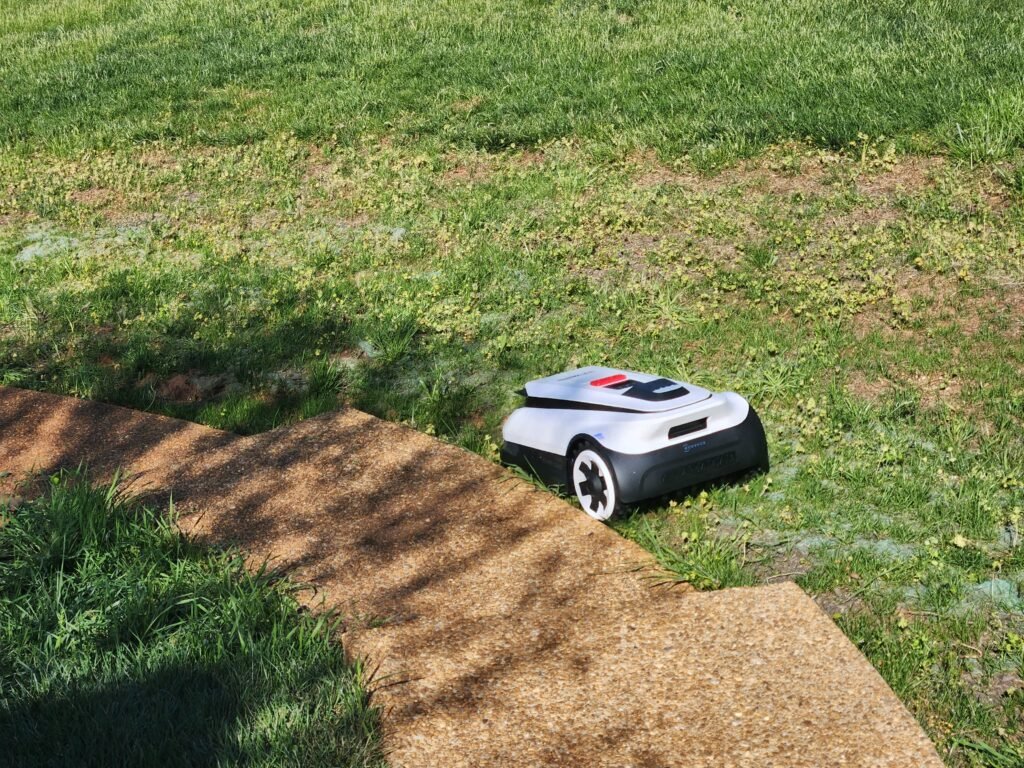
Suddenly, positioning accuracy changes—and mowing behavior follows. One of my robots was working well in my side yard, but all of a sudden it started going outside of its boundary and getting stuck in bushes.
5. Remapping… Again
Signal drops often mean manual map fixes or full remaps. Not difficult—but frequent enough to be annoying. At some point you’ll begin to realize that you’re spending more time setting up your robot mower than simply mowing the lawn the old fashioned way.
6. Sudden Obstacle Confusion
Garden hoses. Kids’ toys. Fallen branches.
RTK mowers often see these too late—or not at all.
I’ve seen more than one RTK mower fail basic safety standards miserably.
7. Multi-Zone Drift
Secondary zones sometimes become “optional.” I’ve watched mowers miss entrances or drift just enough to require intervention.
8. Grass Height Sensitivity
As grass grows taller, traction and positioning can suffer—leading to recalibration sessions that feel unnecessary for a “smart” robot.
Stage 3: Long-Term Maintenance (The Babysitting Phase)
This is where RTK fatigue really sets in.
9. Base Stations vs. Nature
Wind, animals, kids, lawn equipment.
Base stations are surprisingly easy to knock out of alignment.
10. Seasonal Rework
Leaves grow. Trees fill in. Yards change.
Each season can mean tweaks—or full do-overs.
11. You’re Never Fully Done
RTK mowers work best when supervised. You can leave them alone—but never for too long.
Enter LiDAR: The One-Click Pardon
This is where what I saw from ECOVACS at CES 2026 becomes exciting.
LiDAR doesn’t optimize RTK’s weaknesses—it removes them.
Based on both my prior LiDAR experience and what ECOVACS demonstrated, LiDAR effectively translates into:
11 Things You No Longer Need
No base station. No sky dependency. No angle tuning or calibration. (Solves 1–3, 10)
No signal drops. No multi-zone drifting. No terrain-induced positioning errors. (Solves 4, 7, 8)
No manual map fixing. No constant babysitting. (Solves 5, 11)
True obstacle avoidance. Cleaner edge cutting. Reliable operation regardless of weather or foliage. (Solves 6—and then some)
—
Why 2026 Feels Different
LiDAR mowers have existed before—but 2026 feels like the first year they’re being:
· Mass-produced
· Refined for residential lawns
· Positioned as simpler than RTK, not more complex
The ECOVACS GOAT models I saw didn’t feel experimental. They felt confident—designed for people who don’t want to become robot mower technicians.
—
My Takeaway (and What Comes Next)
After a year of RTK ownership, LiDAR feels less like an upgrade and more like a reset.
I’m genuinely excited to get hands-on time with ECOVACS’ new LiDAR-based GOAT mowers—not because they promise perfection, but because they remove entire categories of friction.
If RTK was about proving robotic mowing could work, LiDAR feels like the moment it finally becomes effortless.
And that’s why I believe 2026 may be remembered as the first real year of LiDAR robotic lawn mowers.