

Landscaping projects often rely on durable, high-performance equipment to handle water transfer, drainage, and irrigation tasks. Among the most essential tools are diaphragm pumps—widely used for handling muddy water, sludge, and debris-filled liquids.
To keep these pumps running efficiently, regular maintenance and timely replacement of key components are critical. In this guide, we’ll break down diaphragm pump parts, how they work, and when to replace diaphragms for popular brands like Wacker, CH&E, and AMT.
What Is a Diaphragm Pump?
A diaphragm pump is a type of positive displacement pump designed to move fluids using a flexible diaphragm that expands and contracts. This motion creates suction and discharge, allowing the pump to handle thick, abrasive, or debris-filled liquids—making it ideal for landscaping and construction environments.
Common uses in landscaping:
- Removing standing water from job sites
- Handling muddy or debris-filled runoff
- Irrigation and drainage support
- Excavation and trench work
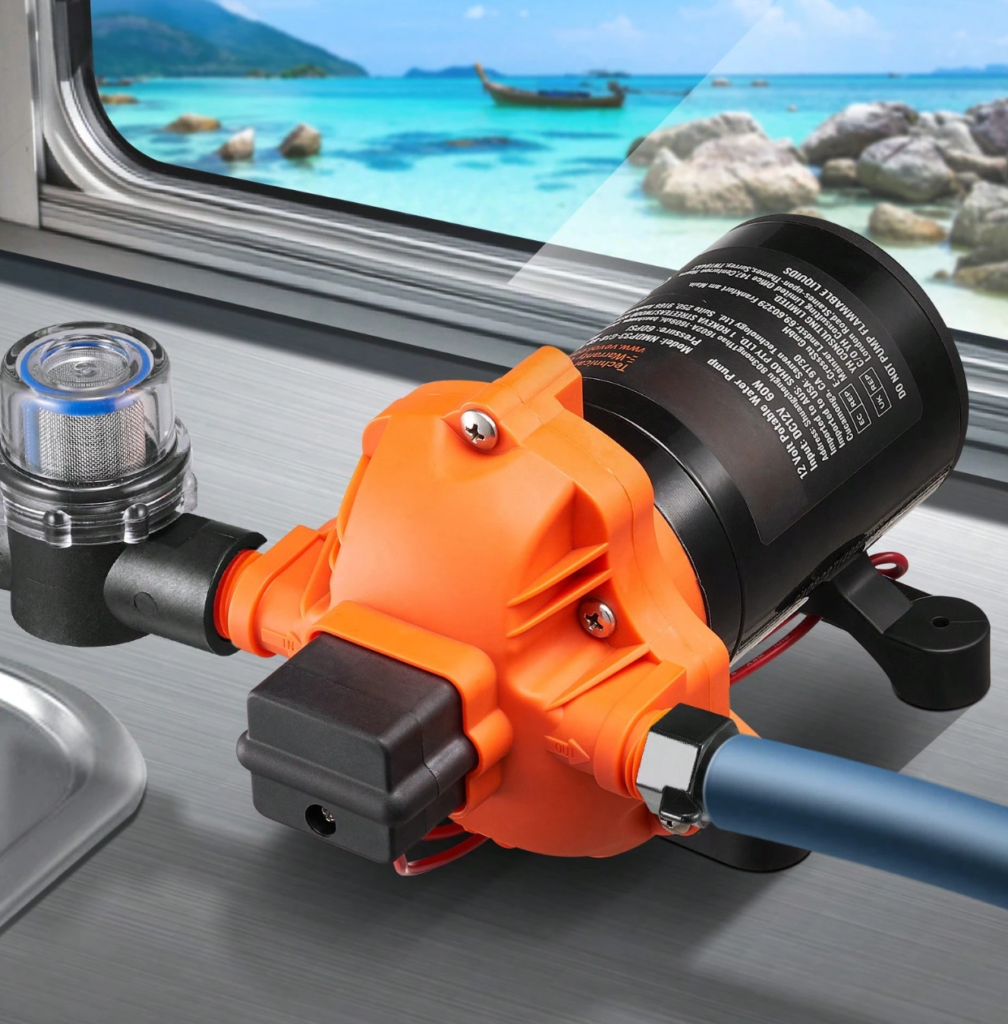
Key Diaphragm Pump Parts
Understanding the main components of your pump helps you identify wear and maintain performance.
1. Diaphragm
The heart of the pump, responsible for moving fluids through the system. It flexes continuously, making it the most wear-prone part.
2. Check Valves
These control the direction of flow, preventing backflow and ensuring efficiency.
3. Suction and Discharge Ports
Allow water and debris to enter and exit the pump.
4. Air Chamber
Helps regulate pressure and maintain smooth operation.
5. Housing and Seals
Protect internal components and prevent leaks.
Why Diaphragm Maintenance Matters
Because the diaphragm is constantly flexing under pressure, it naturally wears down over time. Ignoring maintenance can lead to:
- Reduced pumping efficiency
- Leaks or pressure loss
- Increased strain on the motor
- Unexpected equipment downtime
Regular inspections and timely replacements can extend the lifespan of your pump and prevent costly repairs.
Signs You Need a Replacement Diaphragm
Knowing when to replace your diaphragm is key to avoiding performance issues.
Watch for these warning signs:
- Decreased pumping power
- Visible cracks or wear on the diaphragm
- Irregular flow or pressure drops
- Unusual noises during operation
- Fluid leakage from the pump housing
If you notice any of these issues, it’s time to consider a replacement.
Replacement Diaphragms for Wacker, CH&E, and AMT Pumps
Different pump brands require specific diaphragm designs to ensure compatibility and performance.
Wacker Pumps
Known for durability and heavy-duty performance, Wacker pumps require high-quality diaphragms designed to withstand tough conditions.
CH&E Pumps
When working with CH&E equipment, ensuring proper fit and material quality is essential. Using the right CH&E diaphragm replacement helps maintain optimal flow, prevent leaks, and extend the life of your pump.
AMT Pumps
AMT pumps are widely used in both residential and commercial landscaping projects. Replacement diaphragms should match OEM specifications for best results.
How to Replace a Diaphragm (Basic Overview)
While specific steps vary by model, the general process includes:
- Power off and disconnect the pump
- Drain any remaining fluid
- Remove the pump housing
- Take out the worn diaphragm
- Install the new diaphragm securely
- Reassemble and test the pump
Always refer to the manufacturer’s manual for detailed instructions and safety guidelines.
Maintenance Tips for Longer Pump Life
To get the most out of your diaphragm pump:
- Inspect components regularly
- Clean debris after each use
- Avoid running the pump dry
- Use compatible replacement parts
- Store equipment in a dry, protected area
These simple practices can significantly improve performance and reduce long-term costs.
Final Thoughts
Diaphragm pumps play a vital role in landscaping and construction projects, especially when dealing with challenging water conditions. Understanding how these pumps work—and maintaining key components like diaphragms—ensures consistent performance and reliability.
Whether you’re using Wacker, CH&E, or AMT pumps, investing in proper maintenance and timely replacements will keep your equipment running smoothly and your projects on track.