

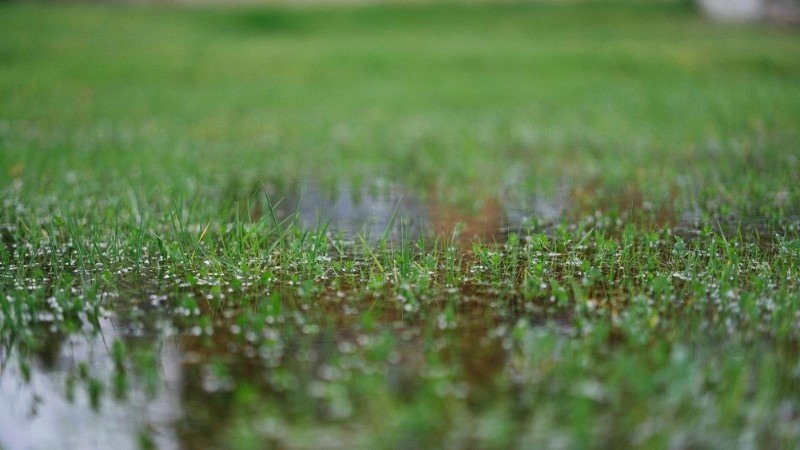
Every homeowner dreams of cultivating a pristine, vibrant lawn, especially if they have invested in a high-tech robotic mower to keep the turf perfectly manicured. However, finding your expensive smart mower stuck in a muddy rut or noticing a sudden, squelching swamp in the middle of your yard can quickly turn that landscaping dream into a frustrating ordeal. While it is incredibly easy to blame a recent heavy Australian downpour or a slight dip in the yard’s grading, these localized floods often point to a much deeper issue buried just beneath the surface. Unexplained soggy patches not only ruin the aesthetic of your property but also serve as primary indicators of underground plumbing failures.
The Hidden Threat Beneath Your Grass
When a section of turf becomes inexplicably waterlogged, the first instinct for many homeowners is to assume there is a simple surface drainage issue or a broken sprinkler head. However, severe undetected leaks from fractured underground mains pipes can silently pump hundreds of litres of water into your yard every single day before you ever receive a spiked utility bill. Even a single minor outdoor leak or dripping hose connection can waste up to 200 litres of water a day, directly contributing to soil degradation and localized flooding.
In the 2023 to 2024 financial year, the WaterFix program conducted by Sydney Water helped locals prevent the loss of approximately 199 million litres of wasted water. This statistic highlights how common concealed residential leaks truly are. If you suspect an underground fracture is to blame for your soggy lawn, securing a professional burst pipe service Sydney is the safest way to accurately locate and resolve the leak before your entire landscape is washed away.
How Tree Roots and Reactive Soils Wreak Havoc
The soil dynamics in areas across Sydney, particularly the Inner West and Western Suburbs, add a significant layer of complexity to yard maintenance. Many properties are built on highly reactive clay soils that expand and contract dramatically depending on underground moisture levels. When saturated by a continuous leak, this clay acts like a giant sponge and can expand by up to 30 percent. This creates immense hydrostatic pressure against buried utility lines, sometimes exceeding 200 kPa. That is more than enough force to crush older terracotta pipes or tear apart modern PVC plumbing joints.
Once a pipe joint is separated by this severe soil movement, the surrounding vegetation takes notice. According to horticultural resources provided by the City of Ryde, tree roots are opportunistic and do not generally penetrate intact, healthy pipes. Instead, they aggressively exploit pre-existing faults or leaky joints to soak up the escaping nutrient-rich water. This biological mechanism means that a minor subsurface drip can rapidly escalate into a total pipe collapse as roots invade the plumbing system.
Diagnosing the Problem and Saving Your Turf
Prolonged soil saturation is a death sentence for healthy grass. While Australian turf can easily handle brief heavy rainfall, soil that remains continuously waterlogged from a leak for just 24 to 48 hours completely deprives grass roots of oxygen. This oxygen starvation induces rapid root rot. Furthermore, it creates a highly humid microclimate that encourages sudden outbreaks of Pythium Root Rot, an aggressive fungal pathogen that can devastate healthy green turf in a matter of days.
Beyond the biological damage, modern landscaping technology is highly vulnerable to excess moisture. Standard robotic mowers rely on firm terrain to navigate. They will frequently lose traction or trigger automatic safety stops when encountering thick mud caused by hidden leaks. Operating a robotic mower through deep puddles places excessive strain on the wheel motors, generating destructive heat that can permanently damage the internal electronics. It is always wise to consult comprehensive lawn care and gardening guides to ensure your yard is properly prepped for automated mowers and to rule out basic overwatering mistakes.

Early Warning Signs to Watch For
Homeowners are legally and financially responsible for repairing damaged pipes within their property boundaries. Therefore, early detection is a critical priority to avoid massive utility bills and expensive landscaping repairs. Keep an eye out for these primary symptoms of a concealed underground leak:
- Unexplained patches of yellowing grass that do not respond to standard fertilisers or soil treatments.
- Squelching mud or sudden depressions in the lawn that cause robotic mowers to get stuck in ruts.
- A sudden influx of moisture-loving weeds concentrated in one specific, overly damp area of the yard.
- Continuously dripping hot water expansion valves on the exterior of your home, which is a common indicator of broader pressure and plumbing issues.
A swampy lawn is far more than just a cosmetic annoyance. By acting quickly and knowing exactly what symptoms to look for, you can protect your turf, save your smart landscaping equipment from permanent damage, and keep your property safe from the costly destruction of hidden water leaks.