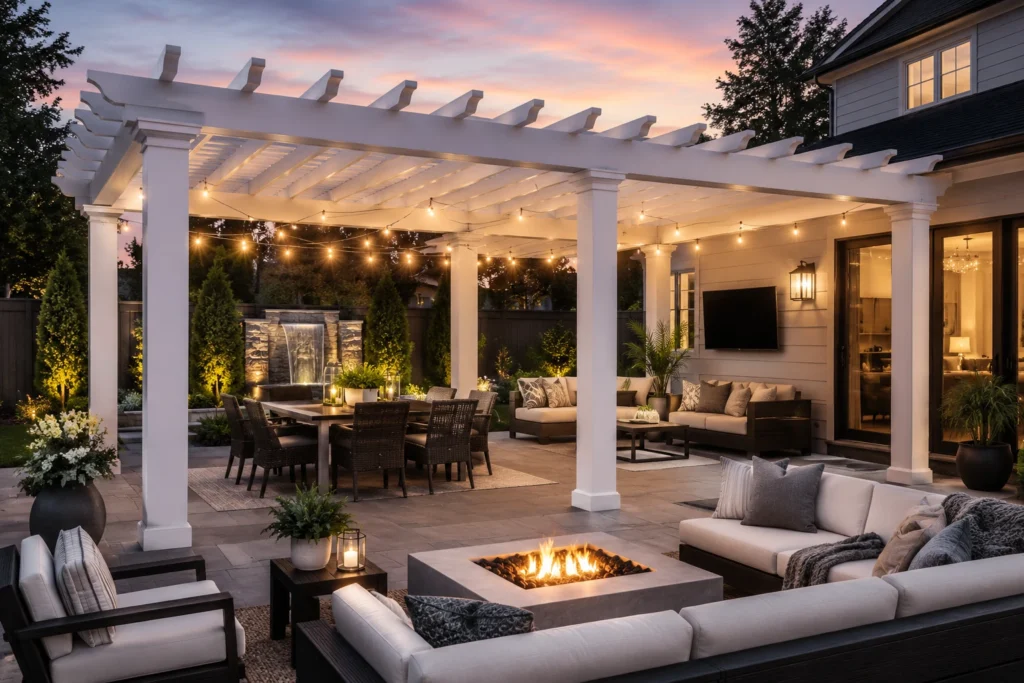

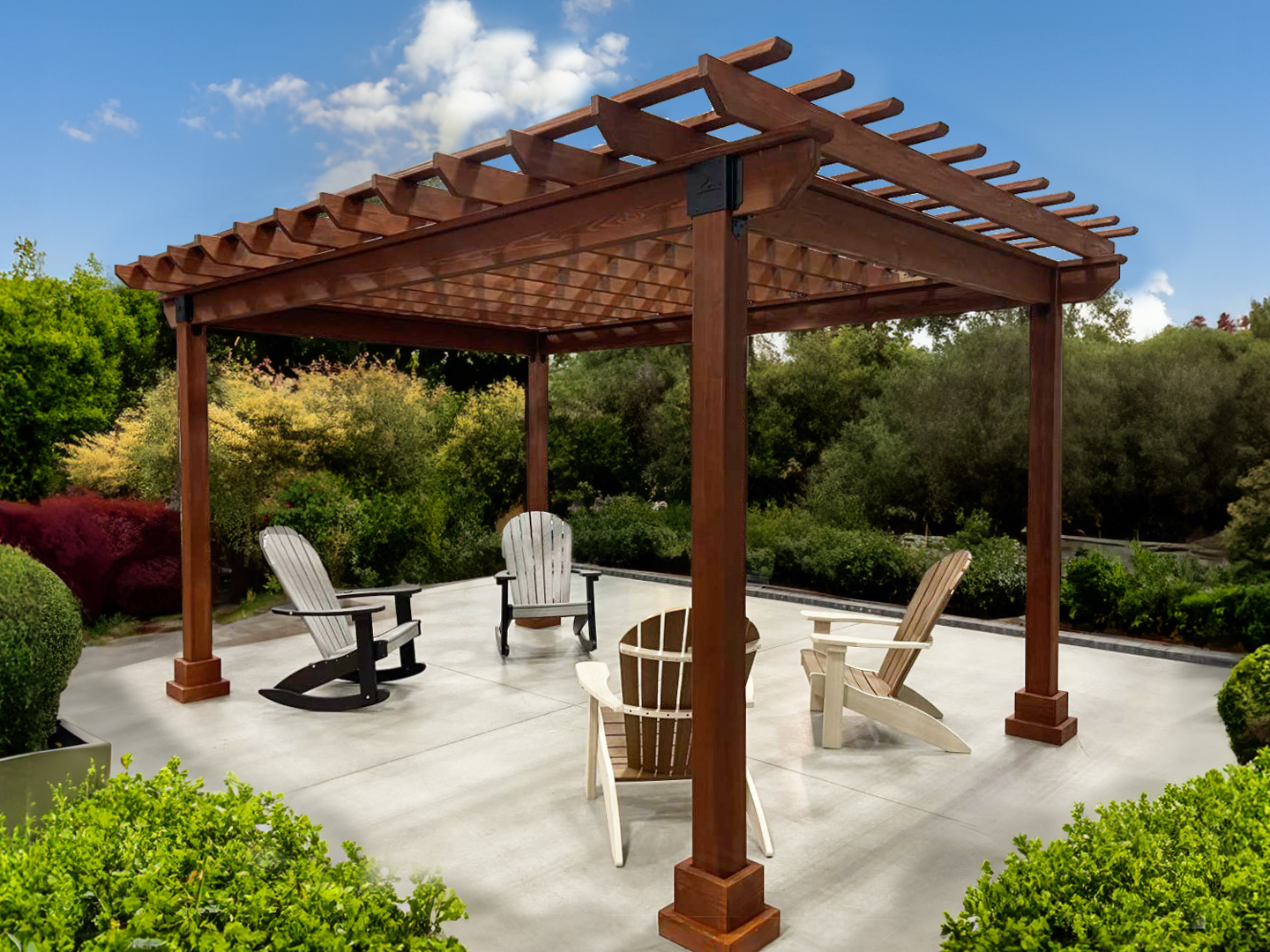
Building a new outdoor structure is an exciting way to transform a standard backyard into a spectacular year-round living space. In Australia, the line between indoor and outdoor living is often blurred, making these additions highly sought after for entertaining and relaxing. However, introducing a massive, permanent footprint to your property does more than just give you a sheltered place to host weekend barbecues. It fundamentally alters the natural environment of your garden. From shifting sunlight patterns and changing soil conditions to new physical obstacles, a backyard renovation requires a thoughtful approach to landscaping to ensure your lawn and garden beds continue to thrive alongside the new architecture.
Factoring in the Structural Footprint
Before the first post goes into the ground, it is crucial to consider how the new addition will interact with your existing yard. A large roofline will naturally redirect rainwater, potentially altering your garden’s traditional drainage patterns. This is precisely why collaborating closely with experienced verandah builders during the early design and planning stages is so important. They can help you understand exactly where water runoff will occur and how the structure’s placement will impact the surrounding soil.
Additionally, the construction process itself often leads to significant soil compaction. Heavy foot traffic, stored materials, and machinery can compress the earth, making it difficult for grass roots to breathe and absorb essential nutrients. By anticipating these changes, you can proactively install proper drainage solutions, such as French drains or rain gardens, to prevent water from pooling around the foundation. You can also plan to aerate the soil around the construction zone once the build is complete, giving your turf the best chance to recover from the heavy activity and promoting vigorous new growth.
Adapting to New Microclimates and Shade
One of the most significant changes a new outdoor structure brings is a drastic shift in your yard’s sun exposure. Areas that once bathed in full afternoon sunlight might now be cast in deep, permanent shadow throughout the day. This creates an entirely new microclimate that can severely stress your existing lawn if left unaddressed. Traditional sun-loving grasses will quickly thin out, lose their vibrant colour, and eventually die back under the constant cover of a solid roof.
To maintain a lush, green carpet beneath and immediately around your new addition, you will need to rethink your turf selection entirely. According to university agricultural experts, transitioning to shade-tolerant plant varieties is essential for long-term survival in newly shadowed zones. For instance, research indicates that cool-season grasses like Tall Fescue exhibit superior shade tolerance, whereas common warm-season varieties like Bermudagrass will struggle and quickly decline when subjected to heavy structural shade, as detailed in a university agricultural guide to managing turfgrass in the shade. Overseeding or returning the affected areas with these resilient, low-light varieties ensures your lawn remains healthy and robust despite the drastically reduced sunlight.
Reconfiguring Your Smart Mowing Setup
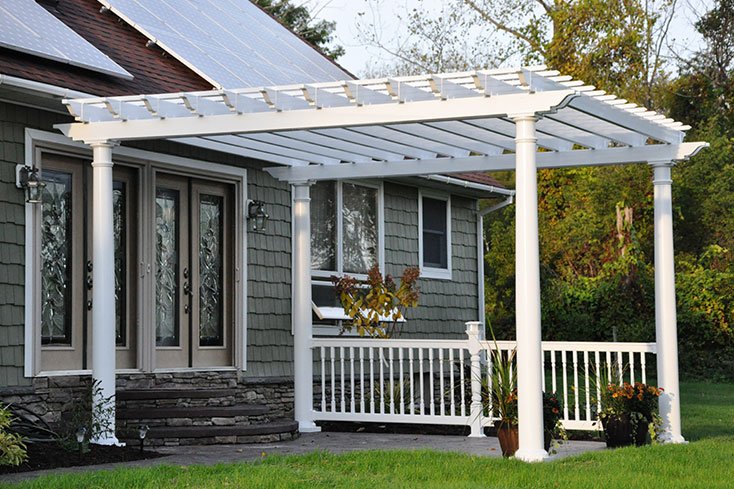
Beyond the biological changes to your yard, a new pergola or decking area introduces physical obstacles that change how you maintain your property. Structural support posts, built-in planter boxes, steps, and new paved borders all become sudden hazards for automated lawn care equipment. If you rely on smart technology to keep your grass perfectly manicured, you cannot simply let your machine run on its old parameters and expect a flawless cut.
Failing to update your automated mower’s layout can lead to the device getting stuck, damaging its internal blades, or repeatedly bumping into your freshly painted timber posts. To prevent this frustration, you will need to meticulously redefine the cutting perimeter before sending your mower back out to work. Taking the time to review how to install a robot mower boundary wire will ensure your device safely navigates around the new architectural obstacles. By correctly pegging a new guide wire around the structural posts and garden beds, your smart mower can efficiently cut right up to the edge without causing any damage to itself or your new investment.
Best Practices for Perimeter Planting
With your lawn care updated, drainage sorted, and shade issues addressed, the final step is blending the new structure into the broader natural landscape. Creating strategic garden beds around the base of the structure softens the hard, rigid architectural lines and makes the entire space feel beautifully integrated rather than awkwardly imposed.
When designing and planting around your new outdoor living area, keep these key landscaping strategies in mind:
- Select shade-loving flora: Ferns, hostas, and native Australian violets are excellent, low-maintenance choices for the shaded understory of a large roofline where traditional sun-loving flowers might fail.
- Install drip irrigation systems: Because a solid roof will block natural rainfall, the plants directly underneath or adjacent to the structure will need a reliable water source. Drip lines deliver moisture directly to the root zone without wasting water on the surrounding paving.
- Use organic mulch generously: Applying a thick layer of bark or wood chips around the base of your plants helps retain essential soil moisture, regulates ground temperature, and actively suppresses invasive weeds.
- Keep soil away from timber: Always maintain a distinct, dry gap between damp soil or mulch and any wooden support posts. This critical step prevents long-term moisture rot and deters destructive pests like termites from accessing the timber framework.
- Incorporate layered heights: Planting lower ground covers near the borders and slightly taller shrubs near the structural posts can create a seamless visual transition between your lawn and the new construction.
A comprehensive backyard renovation is a fantastic investment in your home lifestyle and property value. By anticipating the environmental changes, selecting the right turf, adjusting your maintenance routines, and planting thoughtfully, you can create a seamless transition between your stunning new outdoor structure and a vibrant, healthy garden.