

Whether you are a weekend lawn enthusiast or a seasoned landscape gardener, your outdoor equipment represents a serious financial investment. Ride-on mowers, petrol edge trimmers, chainsaws, and battery-powered power tools are not cheap to replace. However, while we spend hours meticulously servicing our machines, changing the oil, checking the spark plugs, and sharpening blades to precision, we often overlook the most critical factor in extending their lifespan, which is where they actually sleep at night. Cramming everything into a damp corner of the garage or leaving expensive tools under a cheap plastic tarp is a fast track to rust, mechanical failure, and wasted money. A well-planned, designated storage environment is an absolutely essential part of responsible lawn equipment ownership.
The Hidden Dangers of Poor Storage Environments
It is easy to underestimate how quickly the natural elements can degrade metal and plastic components. Moisture is the obvious enemy here, leading to rusted blades, seized engines, and rotting rubber seals. But temperature fluctuations also play a massive role in equipment breakdown, particularly for gear that relies on complex circuitry and lithium-ion power sources.
When machines sit in unventilated areas experiencing extreme high heat in the summer or freezing cold temperatures in the winter, the damage often happens silently from the inside out. For instance, high humidity and extreme temperatures can ruin sensitive electronic components and degrade plastic housings, which is exactly what most owners get wrong about maintaining their lawnmowers each season. Preventative maintenance means very little if your tools are fighting a losing battle against the harsh local climate every single time you put them away. Creating a dedicated space that actively shields your gear from harsh UV radiation and damp morning frost will drastically reduce your long-term repair bills and keep your garden looking immaculate.
Why Ample Space Matters for Your Gear
As your garden care collection inevitably grows, finding enough floor space becomes a genuine logistical challenge. Trip hazards and cramped quarters are incredibly frustrating, and they often lead to accidental damage when you knock a heavy steel rake onto a pristine mower deck. Tightly packed equipment also makes it difficult to perform routine visual inspections or clean off grass clippings before you lock up.
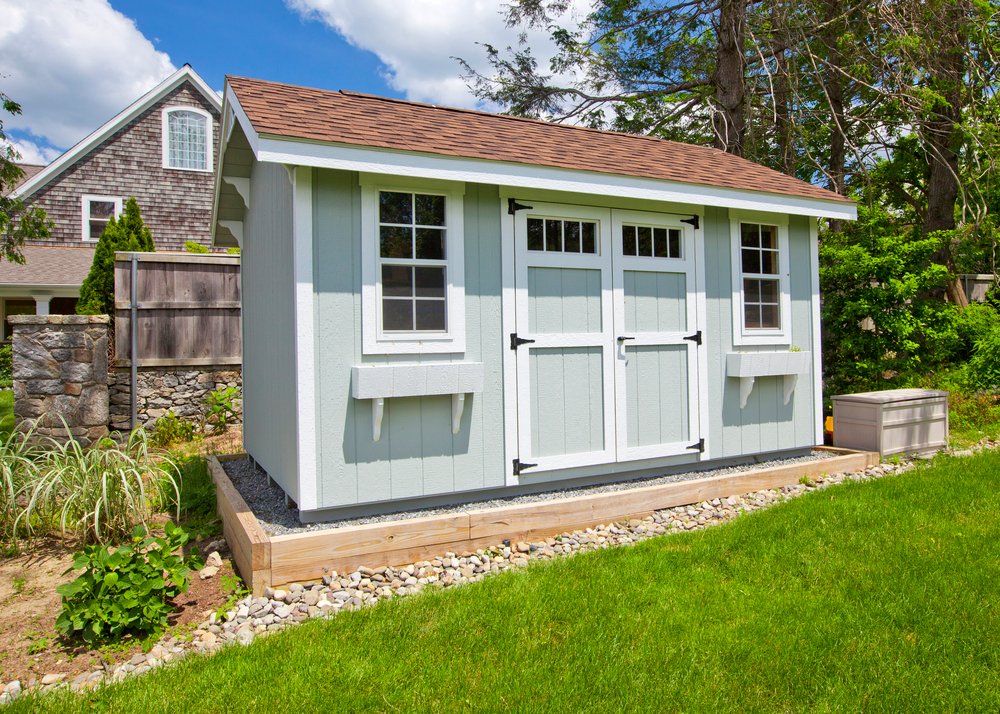
Upgrading to large garden sheds provides the necessary footprint to house bulky items safely and efficiently. A dedicated, generously sized structure ensures that every piece of machinery has its own designated spot. This means you no longer have to drag heavy tools out of the way just to reach your leaf blower, significantly reducing wear and tear on your equipment as well as your patience. When you have room to move, you are much more likely to actually perform those quick post-mow wipe downs.
Safe Storage for Chemicals and Fuels
Beyond protecting your hardware, your storage hub needs to account for the hazardous materials that keep your garden thriving. Petrol cans, two-stroke engine oils, strong chemical fertilisers, and weed control products require very specific conditions to remain stable and safe.
Keeping these volatile items in an attached garage or directly under your home is highly risky due to the potential for toxic fume build-up and severe fire hazards. Official safety guidelines strongly recommend storing pesticides safely in a locked, well-ventilated space, ideally in a detached shed away from the main family dwelling. Securing these hazardous materials in a spill-proof cabinet is an essential safety practice for any responsible homeowner handling concentrated lawn care products. Having a separate space outside the home reduces environmental risks significantly and gives you complete peace of mind.
Essential Elements of a Perfect Equipment Hub
Once you decide to set up a dedicated space for your lawn care gear, you need to ensure the interior is properly configured. Simply throwing everything onto the floor defeats the purpose of having a dedicated hub.
Consider incorporating these essential upgrades to maximise your storage area:
- Robust ventilation systems: Stored fuels, wet potting soil, and damp grass clippings produce lingering odours and trap unwanted moisture in the air. Installing wall vents or a roof whirlybird will keep the air circulating actively and prevent condensation from pooling on exposed metal surfaces.
- Heavy-duty shelving units: Keep small items, spare oils, and delicate hand tools off the ground. Elevating these items protects them from accidental spills, pests, and minor flooding.
- Pegboards and magnetic strips: Maximise your available vertical space by hanging hand trowels, secateurs, and protective safety gear. This keeps sharp blades out of harm’s way and prevents them from dulling against concrete floors.
- Enhanced security measures: Premium garden tools and ride-on mowers are targeted by thieves. Install heavy-duty padlocks, motion-sensor exterior lighting, and internal window coverings to keep your valuable equipment out of sight.
- Access ramps and durable flooring: If you are housing a heavy ride-on mower or a petrol aerator, a reinforced structural floor and a steady access ramp will make packing up easier and prevent back injuries.
Building the ultimate weatherproof hub for your gardening gear undoubtedly takes a bit of upfront planning, but the long-term payoff is undeniable. By keeping your essential tools totally dry, organising them efficiently with vertical storage, and ensuring all hazardous chemicals are safely locked away from the main house, you actively protect your financial investment. Your lawnmower works incredibly hard to keep your yard looking pristine through every season, so it only makes sense to give it a secure, dry place to rest.