

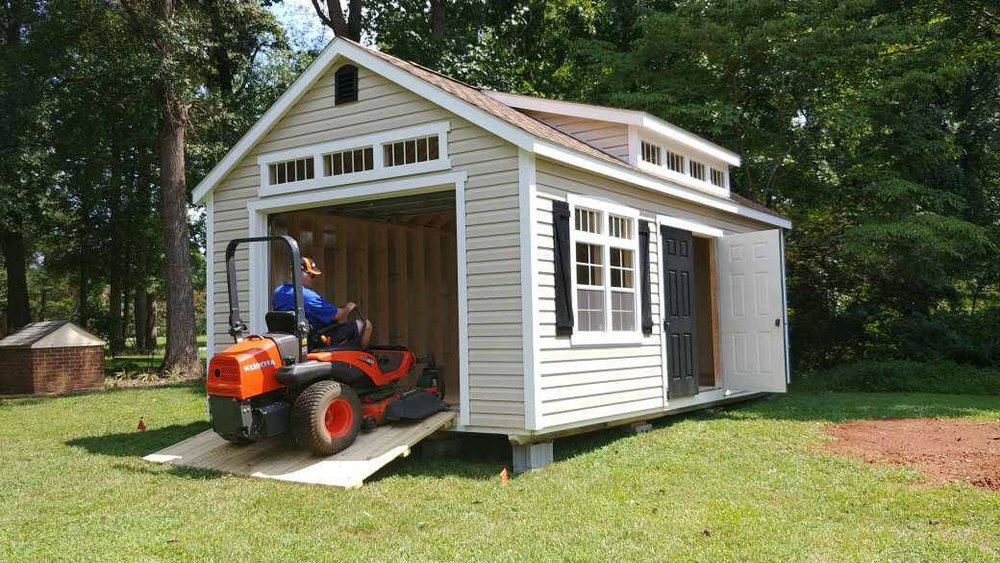
When seasons change, the tools you need to keep your lawn in shape sometimes pile up right where you need to walk or park, or how you’re trying to mow or weed. Mowers, trimmers, spreaders, hose, bags of mulch, stiff bags of late-fall fertilizer do not only take space, they make that space troublesome to navigate. Storing everything the same way year-round means rust, dull blades, tangled cords, and pieces missing just when you’d like the job to be clean for the weekend. A seasonal setup gets rid of the problem by separating what you will use now from tools and machines you won’t touch for months, and then giving each a safe, predictable home. In this article, you’ll learn how to make that decision, how to prep and protect equipment before it goes away, and how to build a simple “rotation” that lets your lawn work smoothly from spring to winter.
What to keep accessible and what can be packed away
The fastest way to ruin a clean lawn routine is to bury your most-used tools behind stuff you won’t touch for months. Keep in-reach items that support weekly maintenance, like a string trimmer, blower, hand pruners, hose gear, edging tools, and your basic cleanup kit. Pack away seasonal or occasional items such as dethatchers, aerators, overseeding tools, spare sprinklers, extra reels of line, and bulky spreaders that only come out a few times per year. This matters because crowded storage leads to bent handles, dulled blades, cracked plastic, and missing attachments right when the weather is finally perfect. If your garage is already tight, using a nearby option like NSA Storage Mesa Broadway Rd climate storage can help you separate “now” tools from “later” tools without turning every weekend into a scavenger hunt. Next, we’ll set up a storage method that keeps everything protected and easy to grab.
How to store tools so they stay sharp, safe, and ready
A good setup protects your tools from damage and makes them easy to put back, not just easy to pull out. Focus on consistency so anyone in the household can follow the same system without thinking.
Essential Principles to Follow:
- Bold Zone By Frequency Store weekly tools at eye level, seasonal tools higher or farther back, and rarely used gear in labeled bins.
- Bold Clean And Dry First Brush off debris, wipe metal surfaces, and dry hoses and nozzles so rust and mold do not build up.
- Bold Standardize Storage Shapes Use the same hooks, bins, and shelf spacing so tools fit one way and return to one place.
Common Pitfalls to Avoid:
- Stacking tools on the floor, which bends shafts and creates trip hazards.
- Storing damp hoses or muddy gear, which leads to odor, corrosion, and clogged parts.
- Mixing small attachments loose in a box, which causes missing pieces and repeat purchases.
- Keeping restricted fuels or chemicals in improper places, which creates safety and compliance issues.
A Simple Seasonal Rotation System You Can Repeat Yearly
Step 1: Create a two-season layout with one “active zone” and one “off-season zone.” Put weekly tools where you can grab them in under 10 seconds, and move everything else into bins labeled by season and month. Add a simple tag on each bin that lists what’s inside and the first week it should come back out. Step 2: Build a repeatable reset routine for every switch. Clean and dry tools, sharpen or replace blades and line, and wipe exposed metal with a light protective coat before storing. Coil hoses loosely, relieve pressure on sprayers, and remove batteries from tools you won’t use for weeks. Finish by doing a five-minute inventory check so you don’t start the next season with missing parts. If you follow the same steps every spring and fall, your storage stays predictable and your tools stay ready.
What Changes For Small Sheds, Shared Garages, And Big Yards
How Do You Make This Work In A Small Shed?
Small sheds succeed when you store vertically and limit floor stacking. Use wall hooks for long tools, a narrow shelf for small bins, and one dedicated spot for the heaviest item so it never blocks access. Keep only the current-season kit inside, and move overflow into labeled totes that rotate in on schedule.
How Do You Avoid Conflicts In A Shared Garage?
Shared garages need clear ownership and return rules to prevent tool drift. Assign a shelf or wall section per person, and use labeled bins for small attachments so nothing gets “borrowed” accidentally. Set one weekly reset time to put tools back, check fuel or batteries, and remove anything that doesn’t belong in the active zone.
What’s Different When You Maintain A Large Yard?
Big yards require duplicate essentials and tighter staging so you’re not walking back and forth all day. Keep a small field kit with line, blades, gloves, and basic repair items near the main exit, and store backups separately so they stay clean. Plan storage around workflow, with one zone for mowing, one for trimming, and one for watering or feeding so each job starts fast.
A Quick Checklist For Smooth Season Changeovers
Storing for seasonal use works best when it’s treated like a reset instead of a random cleanup. Keep all of your current-season tools in an “active zone” that is always the same place. Put everything else in labeled bins that correlate with the next time you’re going to use it. Clean and dry everything completely before putting it away; make sure metal surfaces are protected and that small attachments are stored together so nothing disappears from season to season; and always finish every changeover with a quick run-through inventory check so that burning grass isn’t your first clue you’re out of sharp blades, sweet line, or that you only took one edible part for the next summer ahead. Set a date for this event on your calendaring system for your spring and fall storage reset so you never forget.
Frequently Asked Questions About Storing Lawn Tools
How do I know which tools should stay in the active zone?
Keep anything you use weekly or that supports quick cleanup, like trimming, edging, or blowing. If you won’t use it for at least 30–60 days, pack it away in a labeled bin. The goal is to keep your routine tools accessible without moving other gear first.
What’s the best way to store a mower for the off-season?
Clean the deck, remove stuck grass, and let everything dry completely. For gas models, follow the manufacturer’s guidance for fuel storage, and check oil and filters before putting it away. Store it on a level surface where it won’t be bumped or stacked on.
How can I prevent rust on hand tools and metal parts?
Remove dirt, dry the tool, and wipe exposed metal with a light protective coating. Store tools off the floor and away from damp corners where condensation builds. Check them once mid-season if you’re in a humid area.
Where should I keep small parts like trimmer heads, nozzles, and spare blades?
Use one dedicated bin with dividers or small labeled containers so parts don’t mix. Keep the bin near the tools it supports, and replace anything worn before it’s urgent. A simple label system saves time and prevents repeat buying.