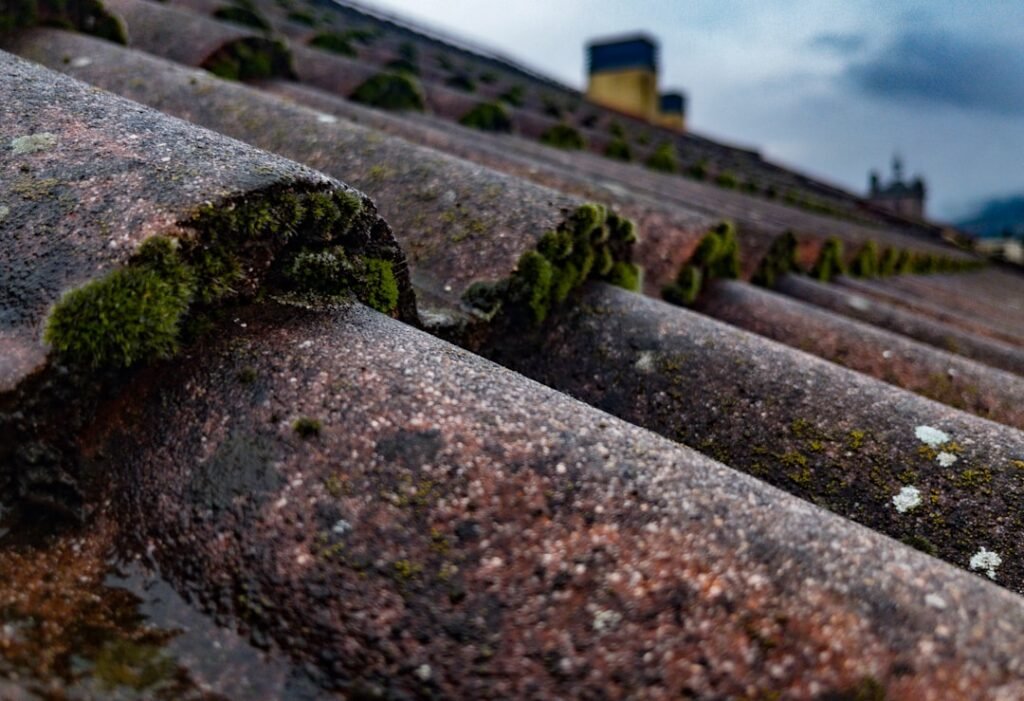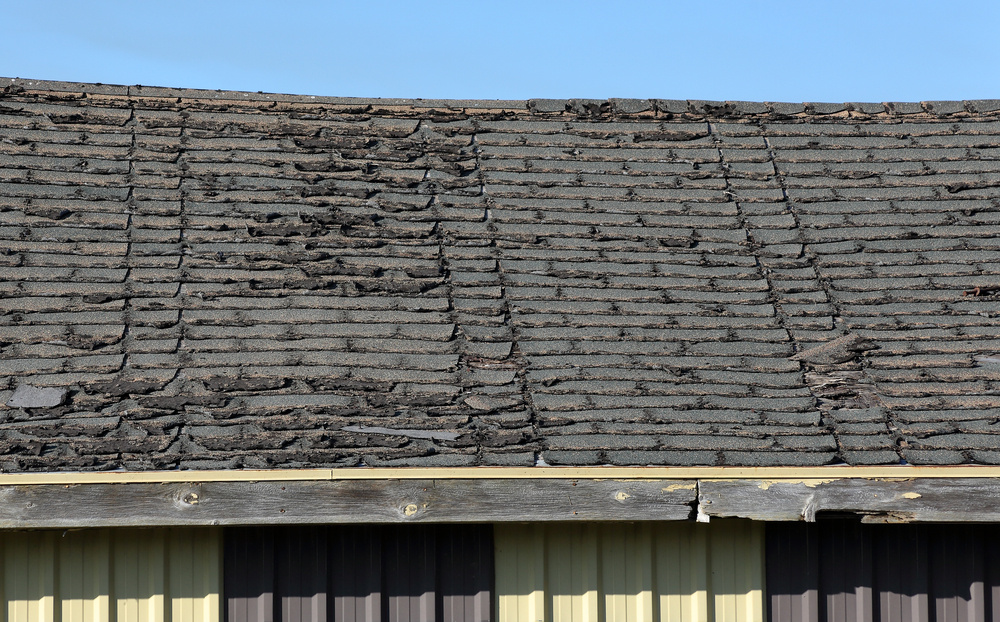

Property maintenance often requires people to work above ground level, whether they are cleaning gutters, inspecting roofs, repairing exterior surfaces, or servicing equipment. Even routine jobs can become dangerous when access routes, roof edges and working areas are not properly controlled.
Reducing fall risks should therefore be part of maintenance planning rather than something considered only after work begins. A combination of sensible preparation, suitable equipment and clear procedures can make maintenance activities considerably safer.
Assess the Risks Before Work Starts
Every maintenance task should begin with an assessment of the working environment. Consider where the work will take place, how high the working area is, and how employees or contractors will reach it.
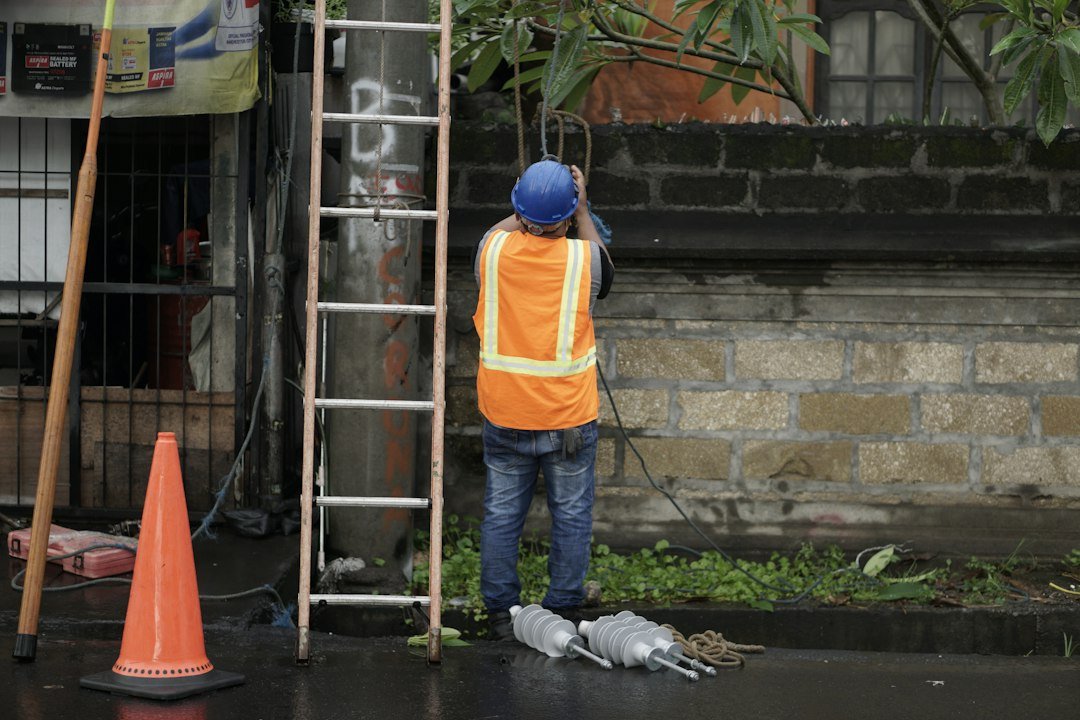
Potential hazards can include fragile roof surfaces, unprotected edges, slippery materials, uneven ground and poorly positioned ladders. Weather conditions also matter. Rain, frost and strong winds can turn an otherwise manageable task into a much more hazardous one.
Identifying these issues beforehand gives those responsible for the property an opportunity to put appropriate controls in place.
Prioritise Collective Fall Protection
Where possible, safety measures should protect everyone working in the area without relying heavily on individual action. For example, guardrail systems for roofs can provide a physical barrier around exposed edges and help create a safer environment for people carrying out regular rooftop maintenance.
Collective measures can be particularly useful on properties where roofs need to be accessed frequently, whether for inspections, repairs or professional roof cleaning. Once an appropriate system is installed, workers do not necessarily need to set up a completely new edge-protection arrangement each time routine work takes place.
Use the Right Access Equipment
Falls do not only happen once somebody reaches a roof or elevated work area. Getting to and from the location can present significant risks too.
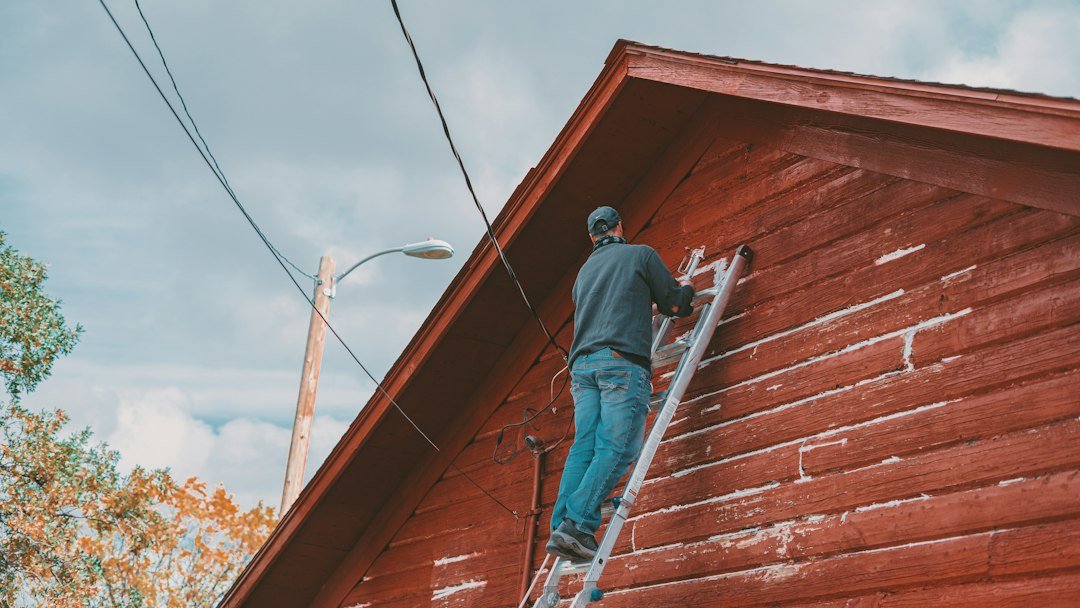
Access equipment should be appropriate for the task and checked before use. Ladders, mobile access towers and other equipment should be positioned on stable surfaces and used for their intended purpose. Damaged or unsuitable equipment should be taken out of service rather than treated as an acceptable short-term solution. For more on picking the right gear, see our guide to choosing equipment for outdoor home maintenance.
Where maintenance is frequent, property owners may also benefit from considering whether permanent access arrangements would provide a safer and more practical alternative.
Keep Working Areas Clear
Good housekeeping is an important part of fall prevention. Tools, cables, packaging and building materials can create trip hazards, particularly when space is limited.
Workers should have clearly defined routes to and from maintenance areas, with unnecessary objects removed wherever practical. Tools and materials should also be stored securely so that they do not create additional hazards or fall from height.
Make Maintenance Safety Part of the Routine
Fall prevention is most effective when it becomes part of everyday property management. Safety equipment should be inspected periodically, access arrangements reviewed, and maintenance procedures updated when buildings or working practices change.
Contractors should also receive relevant information about known hazards before starting work. Clear communication helps ensure that everyone understands where risks exist and which precautions are expected.
Ultimately, reducing fall risks during property maintenance requires more than simply responding to obvious dangers. By assessing tasks in advance, providing suitable protection and maintaining safe access arrangements, property owners and managers can create safer conditions for both planned maintenance and unexpected repairs.