


A healthy hedge does far more than mark the edge of a property. It provides privacy, creates structure, supports wildlife, and can become one of the defining features of a garden. However, even the best hedge can struggle if it is not cared for correctly.
Many common problems are caused by simple mistakes that are easy to avoid once you know what to look for. Here are ten of the most frequent hedge care mistakes and how to keep your hedge looking its best.
Choosing the Wrong Hedge for Your Garden
One of the biggest mistakes happens before planting even begins.
Some hedge varieties grow much taller or wider than homeowners expect, while others may not thrive in local soil or weather conditions. Taking the time to research different species ensures your hedge suits both your garden and the amount of maintenance you’re willing to undertake.
Starting with quality hedging plants from hedgeshedges.co.uk also makes it easier to choose varieties that match your desired height, growth rate and appearance.
Planting Too Close Together
It is tempting to plant young hedges very close together to achieve instant privacy.
However, overcrowding can restrict airflow, increase competition for nutrients and water, and make plants more susceptible to disease. Following the recommended planting distances allows each plant enough room to establish properly while still forming a dense hedge over time.
Forgetting to Water New Hedges
Established hedges are often quite resilient, but newly planted ones need regular watering while their roots develop.
Many homeowners assume rainfall is enough, particularly during cooler months, but young plants may still require additional watering during dry periods to establish successfully. Consistent watering during the establishment phase is essential for healthy root development.
Trimming at the Wrong Time
Timing matters when pruning. Cutting at the wrong point in the growing season can reduce flowering on some species or disturb nesting birds. In the UK, it’s important to check carefully for active nests before trimming, as many birds nest in hedges during spring and summer, and disturbing them is illegal.
Understanding the ideal pruning schedule for your specific hedge variety helps encourage healthy growth.
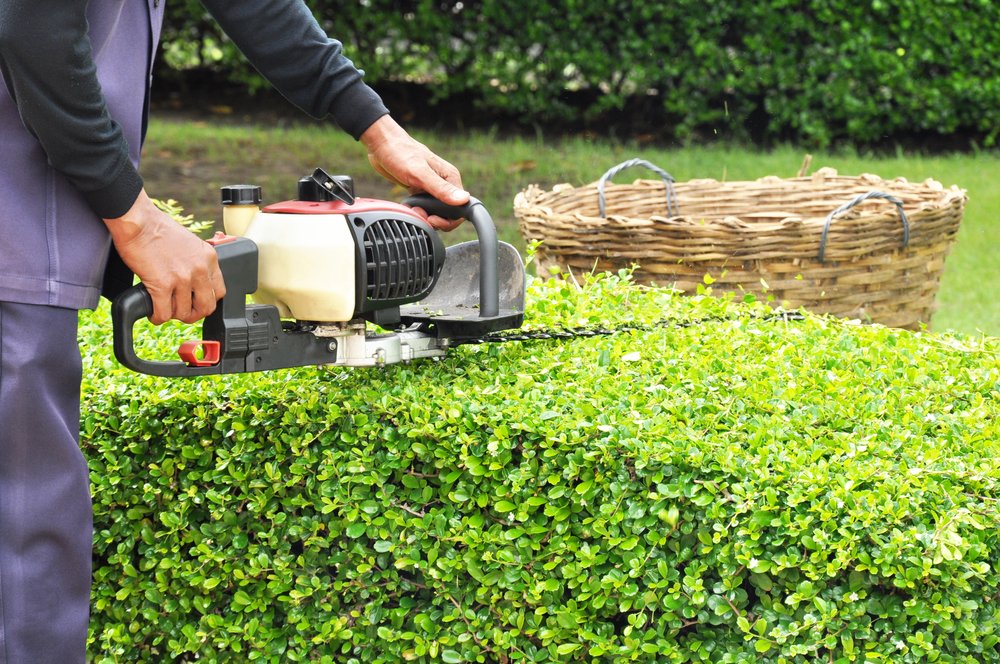
Cutting Too Much at Once
Overzealous pruning can leave hedges looking bare and struggling to recover.
Instead of removing large amounts of growth in one session, shape the hedge gradually. Regular, lighter trims encourage dense branching and help maintain an attractive appearance. The RHS recommends regular pruning to keep hedges dense, healthy and within their intended size.
Ignoring the Base of the Hedge
Many hedges become thin at the bottom because they receive too little sunlight.
A simple solution is to trim the hedge so it is slightly narrower at the top than at the base. This allows light to reach the lower branches, encouraging fuller growth from top to bottom.
This small adjustment can make a dramatic difference over time.
Neglecting Soil Health
Healthy hedges begin below ground.
Compacted soil, poor drainage, or nutrient deficiencies can all affect growth. Adding organic matter, applying mulch, and ensuring the roots have access to moisture and nutrients helps keep plants vigorous throughout the year.
Healthy soil creates stronger, more resilient hedges.
Overlooking Pests and Disease
Small problems are much easier to deal with than widespread damage.
Regularly inspecting leaves and branches for signs of pests, fungal infections, or dieback allows you to take action before issues spread throughout the hedge.
Early intervention usually results in healthier plants and less intensive treatment.
Using Blunt or Dirty Tools
Poorly maintained tools can tear branches rather than making clean cuts.
Ragged cuts heal more slowly and increase the risk of disease entering the plant. Keeping pruning tools sharp and clean makes trimming easier while supporting healthier regrowth.
A few minutes spent maintaining your equipment can improve every pruning session.
Expecting Instant Results
One of the most common mistakes is assuming a newly planted hedge will provide immediate screening.
Even faster-growing varieties need time to establish, develop strong root systems, and fill out. Patience, combined with consistent care, produces a much healthier and longer-lasting hedge than trying to rush the process.
The best hedges are built over time.
Final Thoughts
Looking after a hedge is less about complicated gardening techniques and more about avoiding a handful of common mistakes. By choosing suitable plants, watering young hedges properly, pruning at the right time and maintaining healthy growing conditions, you can enjoy a dense, attractive hedge that enhances your garden for many years to come.
A little care each season goes a long way towards creating a boundary that offers beauty, privacy and lasting value.