
There was a time when the backyard was just the place you parked the lawnmower and maybe set up a folding chair on a hot afternoon. A basic gas grill near the back door was considered the height of outdoor sophistication. Those days are long gone. Today, the backyard has become one of the most coveted rooms in the house — and the outdoor kitchen sits squarely at the heart of that transformation.
If you’ve been paying attention to landscape design trends lately, you’ve probably noticed that outdoor kitchens are no longer a luxury reserved for sprawling estates and HGTV makeovers. They’ve become an integral part of how modern homeowners think about their outdoor space — functionally, aesthetically, and in terms of long-term property value. Here’s a look at why outdoor kitchens have earned their place in the modern landscape and how to think about designing one that feels like it truly belongs.
The Backyard Has Become a Room
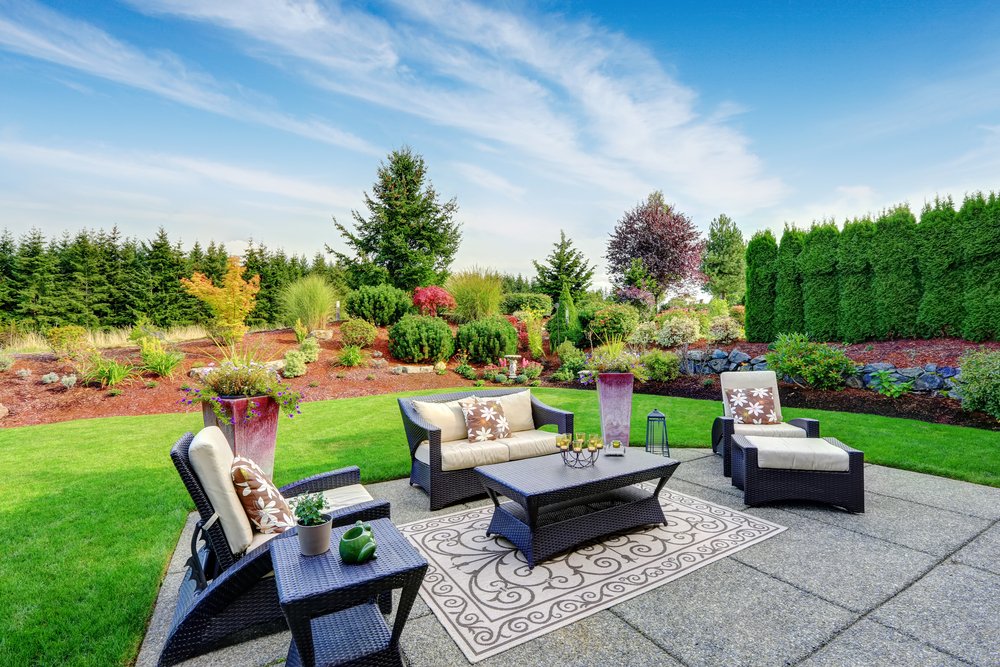
Modern landscape design is built on one central idea: the outdoor space is an extension of the home, not just the area around it. Designers from LA Top Renovation have embraced the concept of “outdoor rooms” — defined zones for cooking, dining, lounging, and entertaining that mirror the way we use interior spaces.
The outdoor kitchen is perhaps the most powerful expression of this philosophy. When done well, it doesn’t just add a cooking surface to your yard. It becomes a gathering point — the place where guests naturally congregate, where family dinners happen on warm evenings, and where the boundary between inside and outside quietly dissolves.
Industry professionals are seeing this shift play out in real time. According to landscape designers tracking 2026 trends, outdoor kitchens are attracting more investment than almost any other backyard feature right now. One landscape design expert noted that homeowners are essentially treating the outdoors as additional square footage — and the outdoor kitchen is how they furnish it.
From Grill Island to Culinary Suite
One of the clearest signs that outdoor kitchens have matured as a design category is the sheer range of features homeowners are now incorporating. This is no longer about dropping a gas grill on a concrete pad and calling it a day.
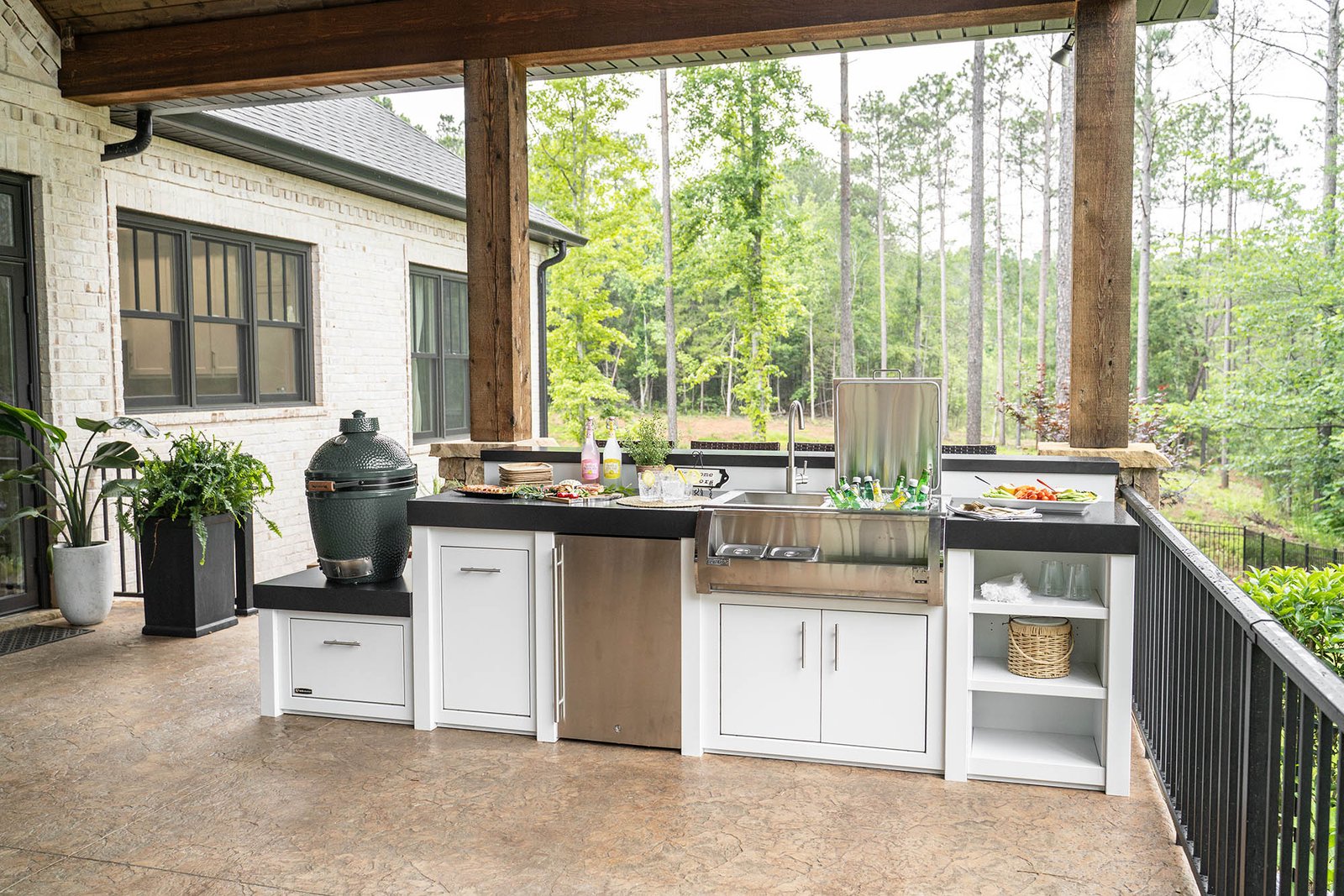
Today’s outdoor kitchens routinely include dedicated prep areas, built-in refrigeration, ice makers, beverage stations, deep fryers, side burners, and pizza ovens — often wood-fired. There’s a growing appetite for teppanyaki grills and smokers alongside the traditional gas grill. Storage is a serious consideration, with weatherproof cabinetry designed to hold everything from utensils to spice racks to smart device hubs.
The result, as one landscape professional put it, is that “the list is essentially everything you’d want in an indoor kitchen — and then some.” Pizza oven? Check. Wine cooler? Of course. A kegerator for entertaining? Absolutely. The outdoor kitchen has evolved into a fully realized culinary space, and landscape designers are treating it accordingly.
Materials That Mean Business (and Look Great Doing It)
A major shift in outdoor kitchen design is happening at the materials level. Where earlier generations of outdoor kitchens leaned heavily on manufactured stone and prefabricated finishes, today’s designs favor natural, high-end materials that age gracefully and feel genuinely luxurious.
Natural stacked stone, porcelain, engineered quartz, and high-performance composite cabinetry are among the most sought-after choices in 2026. Stainless steel remains a staple for appliances, but the surrounding environment has grown considerably more refined. The emphasis is on materials that hold up against UV exposure, freeze-thaw cycles, and daily use without sacrificing visual appeal.
Sustainability is woven into material choices as well. Reclaimed wood accents, locally sourced stone, and recycled-content composites are popular not just for environmental reasons but because they lend warmth and authenticity to the space. Homeowners are increasingly drawn to the idea of an outdoor kitchen that feels like it grew naturally from the landscape rather than being dropped into it.
Color palettes in 2026 are leaning toward calm, organic tones — soft whites, warm neutrals, earthy textures — that allow the natural surroundings to take center stage. The goal is a space that feels serene and timeless, not trendy and loud.
The Indoor-Outdoor Continuum
Perhaps the most influential design principle shaping outdoor kitchens right now is the desire for visual and functional continuity between indoors and outdoors. Homeowners want their outdoor kitchen to feel like a deliberate, cohesive part of the home’s architecture — not an afterthought bolted onto the back of the house.
This means matching or complementing interior finishes, echoing cabinet door styles, and extending the interior design language into the outdoor space. Where the indoor kitchen features clean minimalist lines and a muted palette, the outdoor kitchen should follow suit. Where the home leans rustic or farmhouse, stone and reclaimed wood outdoors can create a harmonious connection.
Structural features play a role here too. Pergolas, louvered roof systems, and adjustable shade structures are increasingly common as ways to define the outdoor kitchen space and create a sense of enclosure without sacrificing the open-air feel. Folding doors and large sliding glass panels that connect directly to the interior living space help blur the boundary further, making the transition between indoor and outdoor feel completely natural.
Smart Technology Meets the Great Outdoors
Outdoor kitchens are getting smarter, and that’s no surprise given how deeply technology has integrated into the rest of the home. In 2026, app-enabled appliances, voice-activated controls, smart lighting systems, and temperature monitoring tools are all showing up in outdoor kitchen builds.
From a landscape design perspective, the key is integration rather than showmanship. The best smart outdoor kitchens are designed so the technology disappears into the architecture — concealed cord routing, dedicated appliance bays, and smart systems that respond automatically to weather changes without requiring constant attention. Technology should serve the experience, not dominate it.
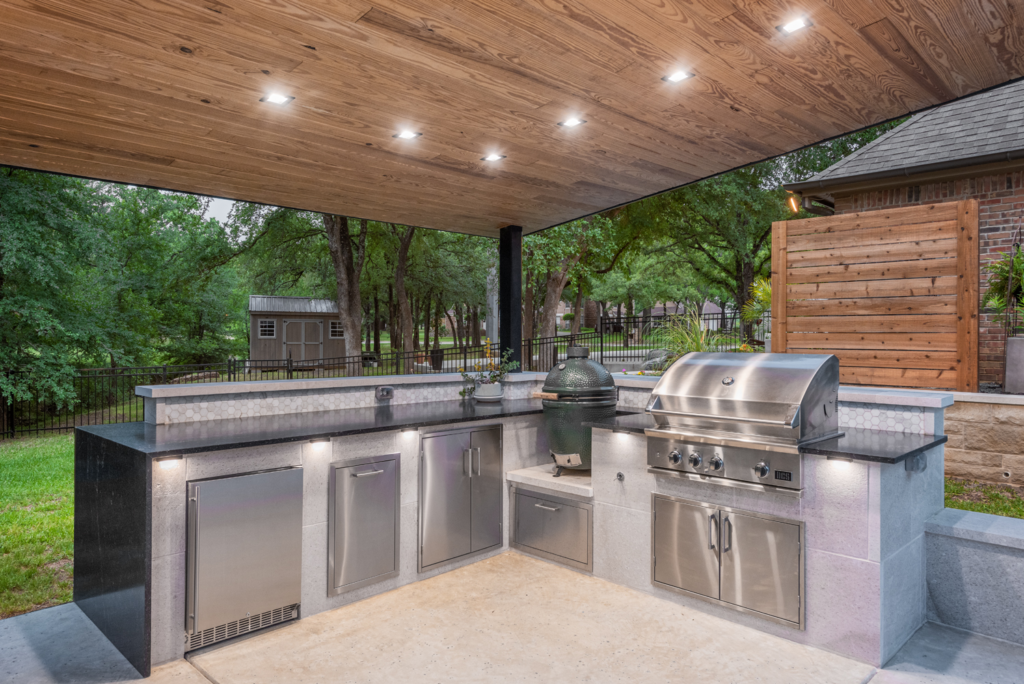
Smart lighting deserves special mention here. Layered lighting — combining ambient, task, and accent sources — extends the usability of the outdoor kitchen well into the evening hours and gives the space an atmospheric quality that transforms a functional cooking area into an inviting entertainment destination.
Zoning: Making the Space Work for Real Life
Great outdoor kitchen design isn’t just about what features you include — it’s about how you organize them. The most effective outdoor kitchens use clear zoning to separate cooking areas from prep areas, dining from lounging, and bar areas from the main kitchen workflow.
This zoning approach makes the space feel larger, more organized, and significantly more functional. A dedicated outdoor bar, for instance, naturally draws guests away from the cooking zone, giving the host room to work while everyone else stays involved in the social experience. Defined dining areas — with proper outdoor furniture and appropriate lighting — transform a meal into an event.
Landscape designers are also thinking carefully about circulation: how guests move through the space, where sightlines land, and how different zones connect to one another. A well-planned outdoor kitchen shouldn’t create bottlenecks or awkward traffic patterns. It should feel effortless.
The Lawn Still Matters
Here at Mowing Magic, we can’t talk outdoor living without acknowledging the role of the lawn itself. The most beautifully designed outdoor kitchen in the world loses its impact if the surrounding landscape isn’t equally considered. A lush, well-maintained lawn provides the green backdrop that makes hardscaped outdoor living spaces truly sing.
The good news is that modern landscape design treats the lawn and the outdoor kitchen as parts of a single, coherent vision. Native plantings soften the edges of hardscaped zones. Thoughtfully placed trees provide natural shade and privacy. Ground cover, ornamental grasses, and perennial borders add layers of texture and color that evolve with the seasons.
Your outdoor kitchen is only as impressive as the landscape it lives in. Keeping that lawn healthy, green, and neatly maintained is the foundation everything else is built on.
Is an Outdoor Kitchen Right for You?
Outdoor kitchens represent a significant investment, but the return — in lifestyle quality, entertaining capability, and property value — is equally significant. Industry data consistently shows that outdoor kitchens rank among the highest-ROI backyard projects a homeowner can undertake.
The key is to plan thoughtfully. Start with the fundamentals: a solid layout, quality materials, and the utility connections (gas, water, power) that will support your vision. Then layer in the features that match how you actually live. If you’re a weekend griller who hosts occasionally, a streamlined setup with a premium grill and a beverage station might be perfect. If outdoor entertaining is a central part of your life, a full culinary suite might be worth every penny.
Either way, the era of the backyard as an afterthought is over. The outdoor kitchen has arrived — and in modern landscape design, it’s one of the most compelling statements a homeowner can make.