
The commercial landscaping industry is constantly seeking innovative solutions to enhance efficiency, reduce labor costs, and improve service quality. Autonomous mowing technology has emerged as a powerful answer, promising a future where vast green spaces are maintained with minimal human intervention. However, the significant upfront investment often associated with these advanced systems has historically placed them out of reach for many small to medium-sized commercial operators. This article explores the current landscape of commercial mowing automation, highlighting the financial barriers and introducing more accessible alternatives, such as conversion kits, that are democratizing this transformative technology.
The Allure of Autonomous Mowing
The benefits of autonomous mowers for commercial applications are compelling. They offer consistent cut quality, operate tirelessly, and can significantly reduce the demand for manual labor, a critical advantage in an industry facing persistent staffing challenges. From sprawling corporate campuses to meticulously maintained golf courses, the vision of a fleet of self-driving mowers working in harmony is becoming a reality. Yet, this reality often comes with a hefty price tag.
The High Cost of Dedicated Autonomous Fleets
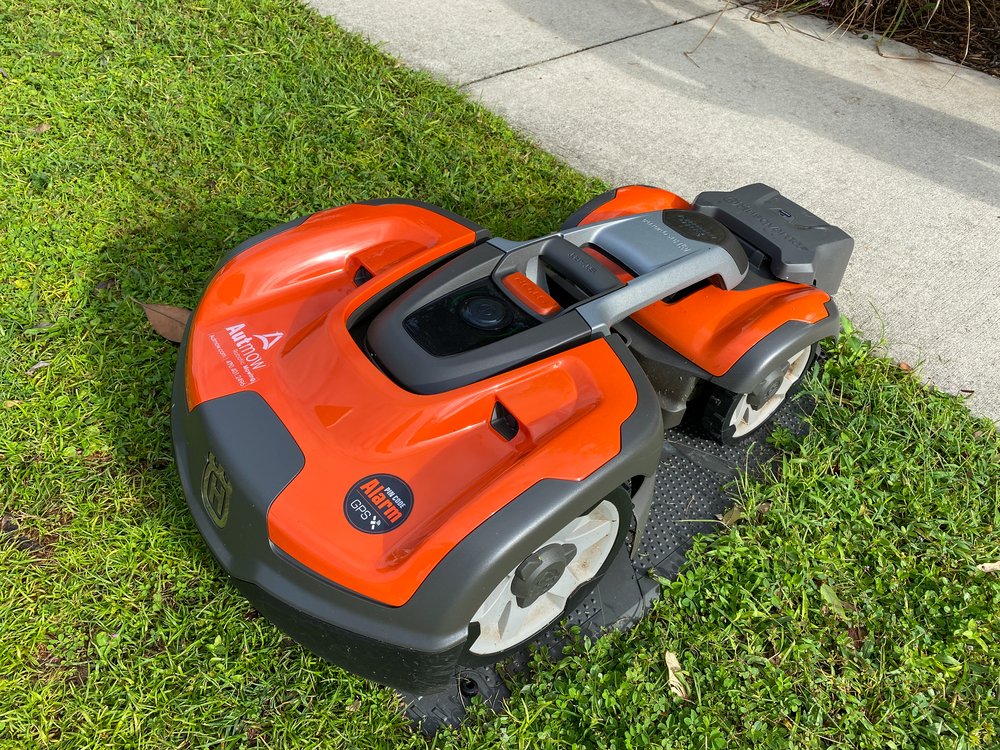
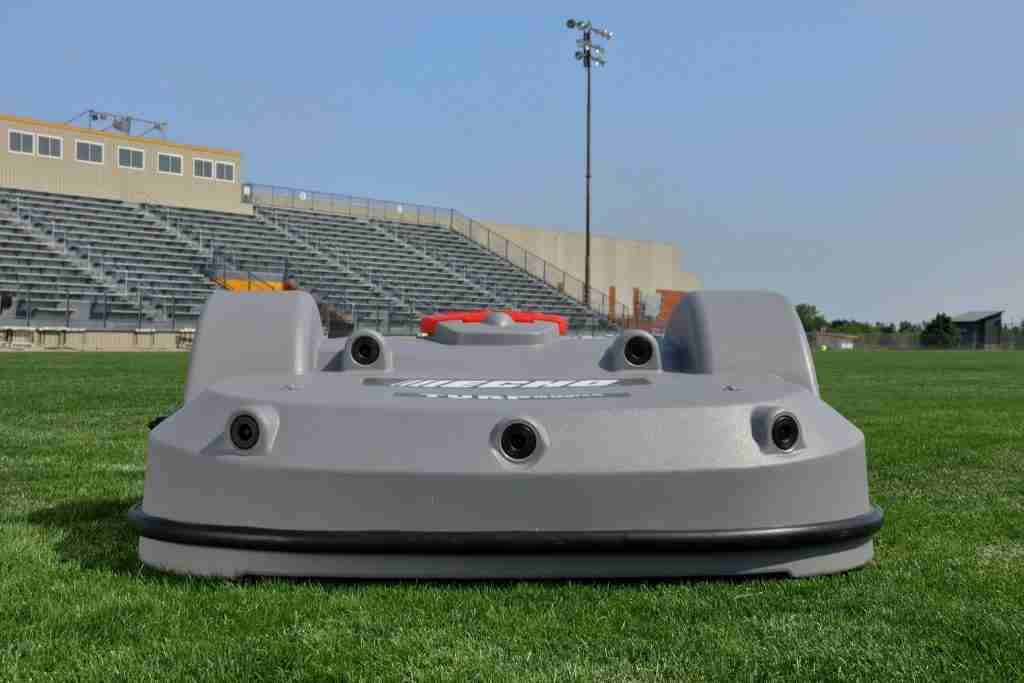
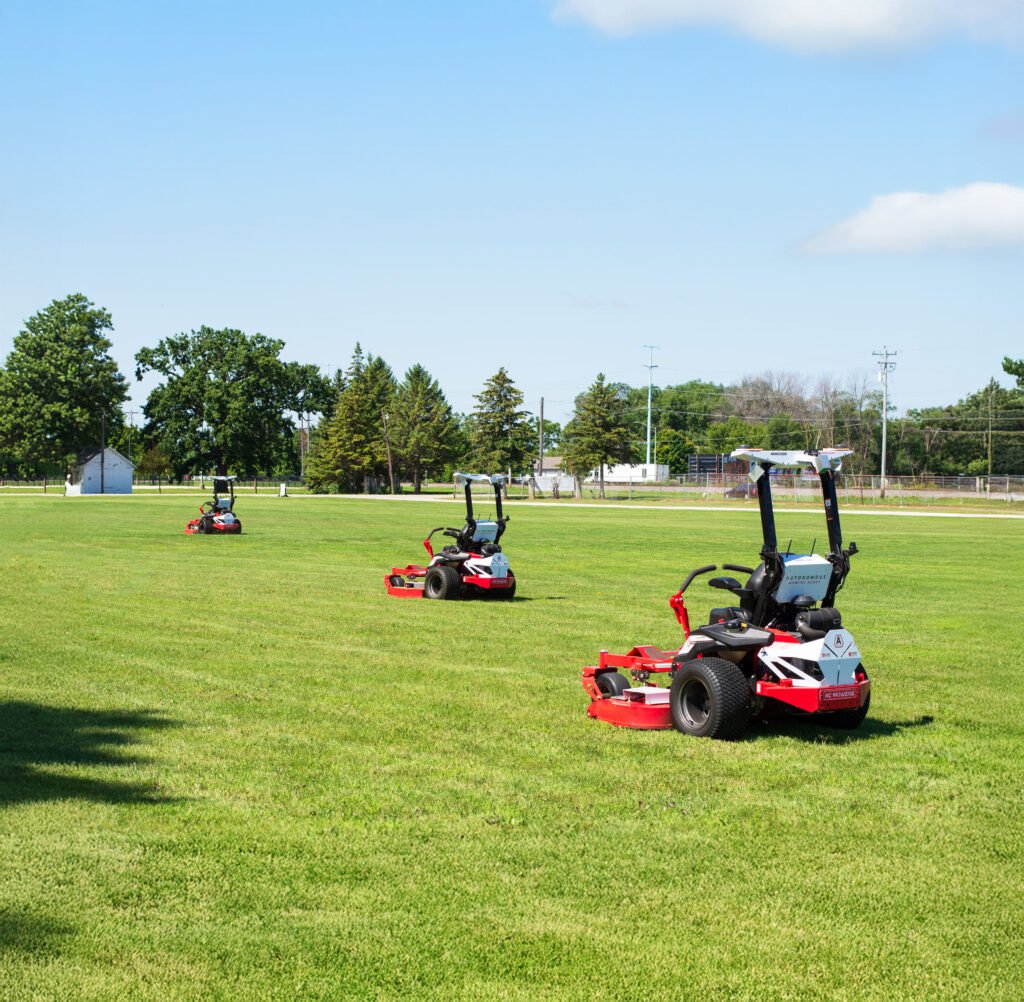
Investing in purpose-built commercial autonomous mowers typically requires a substantial capital outlay. Leading brands like Husqvarna (e.g., Automower 535 AWD EPOS), RC Mowers, and Kress offer robust solutions designed for demanding commercial environments. While these machines deliver exceptional performance and reliability, their price points can range from $3,000 to over $60,000 per unit, depending on features, capacity, and the need for supporting infrastructure like RTK-GPS systems . For many businesses, acquiring a fleet of these high-end machines represents a prohibitive financial burden, delaying their entry into the automated era.
The Pitfalls of Residential Robotic Mowers for Commercial Use
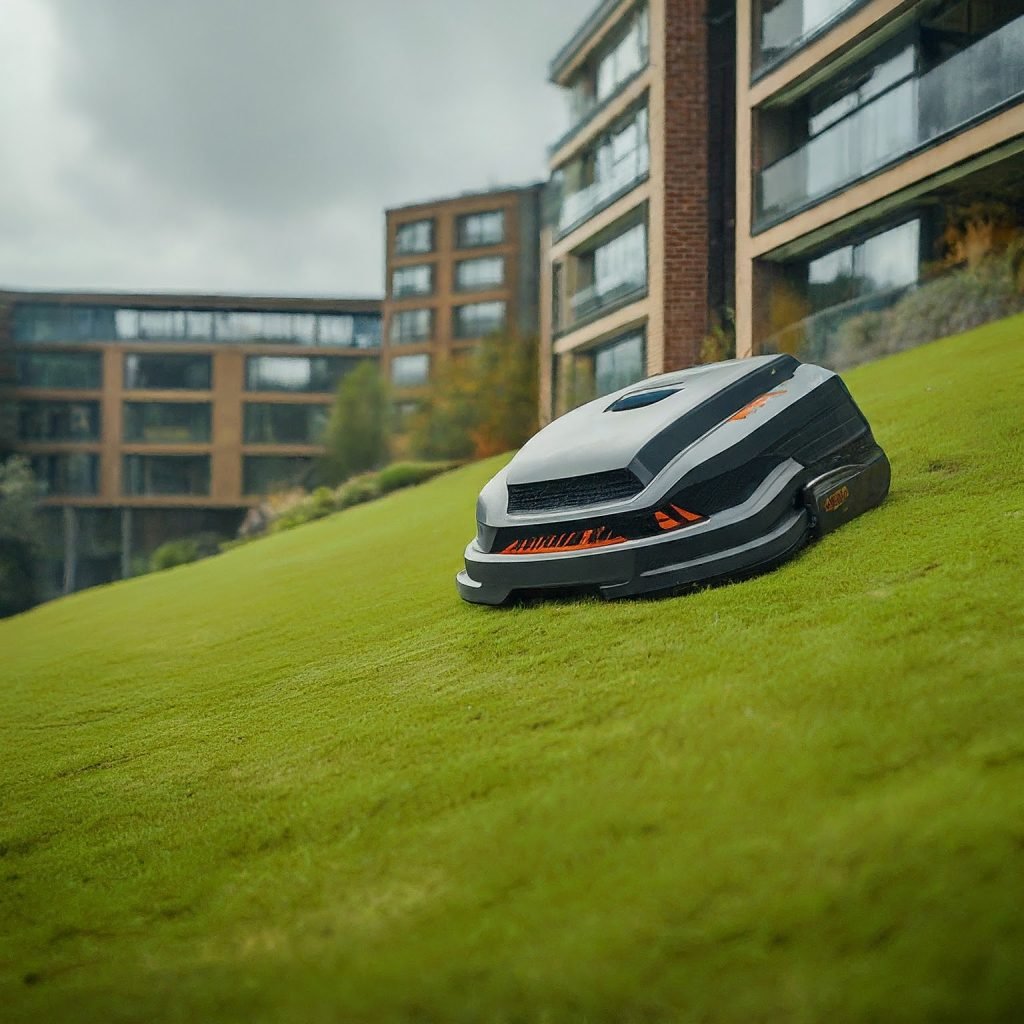
Given the high cost of commercial units, some operators might consider adapting more affordable homeowner robotic mowers (e.g., Mammotion Luba, Segway Navimow, various Worx Landroid models) for commercial tasks. These residential units, typically priced between $600 and $3,000, are designed for smaller lawns and less intensive use . While attractive due to their lower price, they are generally unsuitable for commercial operations due to limitations in durability, battery life, coverage area (often less than 1.5 acres), and lack of robust fleet management capabilities. Furthermore, using residential equipment in a commercial setting can void warranties, leading to costly repairs and downtime.
A Smarter Path: Conversion Kits and the Havenshine Sidekick
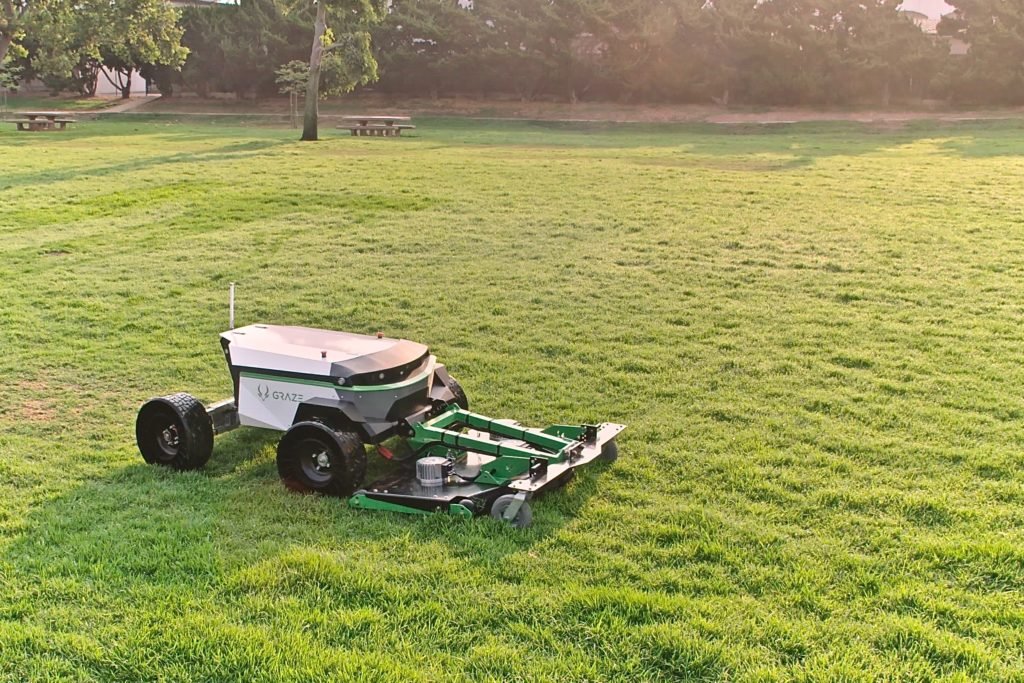
For commercial operators seeking the advantages of automation without the massive upfront investment, conversion kits offer a compelling middle ground. Havenshine stands out in this category with its innovative Sidekick system. Instead of replacing existing equipment, Sidekick retrofits onto leading electric zero-turn mowers (ZTRs), transforming them into autonomous units .
The Havenshine Sidekick operates on a unique “You Lead. Sidekick Follows.” model, where a single operator leads one mower, and the Sidekick-equipped mower autonomously follows, effectively doubling productivity. This system boasts an impressive efficiency of 7+ acres per hour (3.5+ acres per machine) .
One of the key advantages of the Sidekick is its human-in-the-loop safety approach. The operator remains in proximity, actively supervising the lead mower and the following autonomous unit. This addresses the “supervision paradox” often associated with fully autonomous systems, where operators are expected to monitor machines while performing other tasks. With Sidekick, the operator is actively engaged, ensuring safety and immediate response to any issues .
Havenshine offers flexible pricing, including a $749/month option to retrofit an existing mower or starting at $1,749/month for a system that includes a mower, both on a 48-month term . This subscription-based model significantly lowers the barrier to entry, allowing commercial operators to integrate automation without a large upfront capital expenditure.
Other Automation Approaches
Beyond conversion kits, other innovative approaches are emerging:
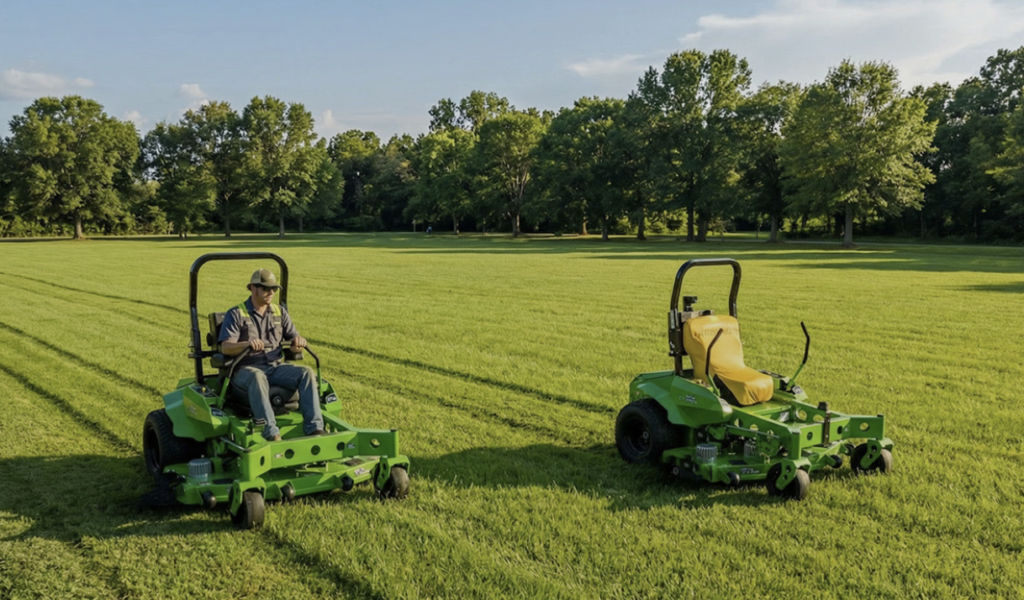
•Greenzie: This software-driven solution integrates with commercial ZTRs from manufacturers like Wright and Bobcat, enabling full autonomy. However, it typically involves an annual subscription fee of around $12,000, in addition to the cost of the mower itself .
•Scythe Robotics M.52: Scythe offers purpose-built, all-electric autonomous mowers with advanced computer vision. Their “Mow-as-a-Service” model allows businesses to pay per acre mowed, eliminating the need for upfront machine purchases .
Conclusion: The Future is Accessible
The landscape of commercial mowing automation is evolving rapidly, offering solutions for businesses of all sizes. While dedicated autonomous fleets remain a powerful option for those with significant capital, the emergence of affordable conversion kits like the Havenshine Sidekick and flexible service models from companies like Scythe Robotics are democratizing access to this transformative technology. By leveraging these innovative solutions, commercial mowing companies can enhance productivity, optimize labor, and secure a competitive edge in an increasingly automated world.
Need Help Choosing the Right Autonomous Solution for Your Company?
Just fill in this form and we’ll get right back to you. We’ll remove the stress and help you make more money with fewer employees.