
A great lawn is built layer by layer. Long before the mower ever fires up, the groundwork is already set by design choices most homeowners never think about. The best-looking lawns are almost always supported by smart landscape design. When design and maintenance work together, everything becomes easier. Let’s break down how professional landscape design quality upgrades lawn maintenance results.
Design Dictates How Hard Your Lawn Has to Work
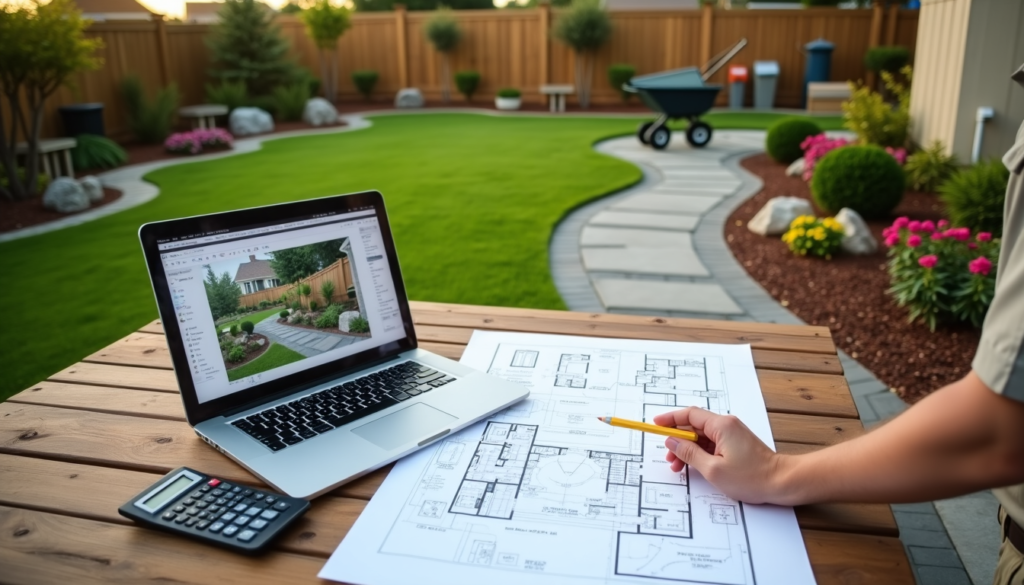
A lawn can only perform as well as the environment it’s placed in. Poorly planned slopes cause erosion. Shady zones burn out grass types that need sun, and tight corners force awkward mowing patterns. Professional landscape design considers how the lawn will live, not just how it looks on day one. Sun angles, drainage flow, soil compaction, and foot traffic are planned upfront.
Smarter Layouts Mean Cleaner and Faster Mowing
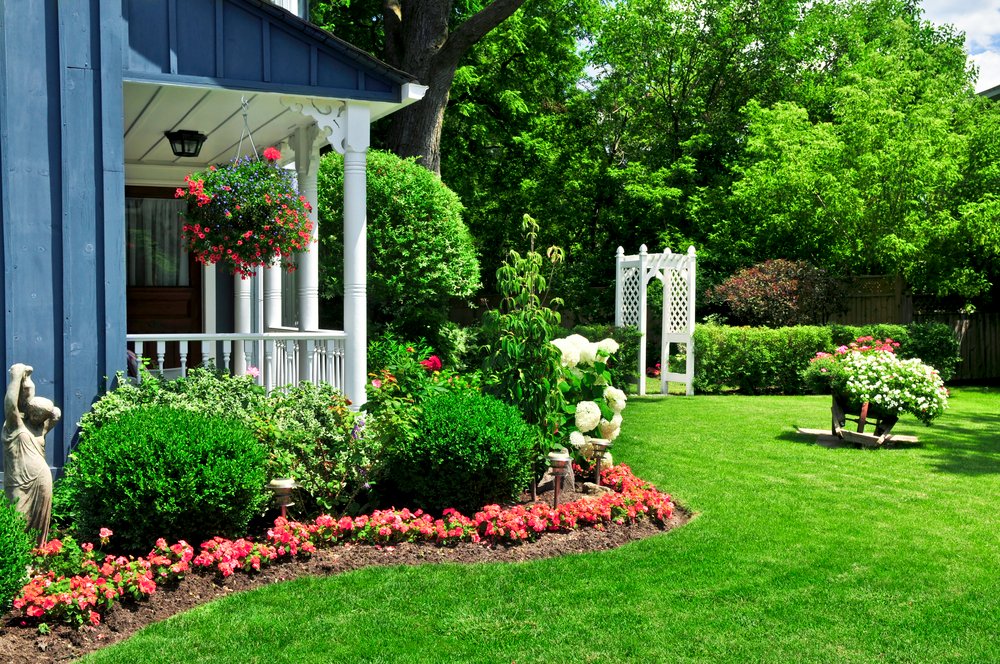
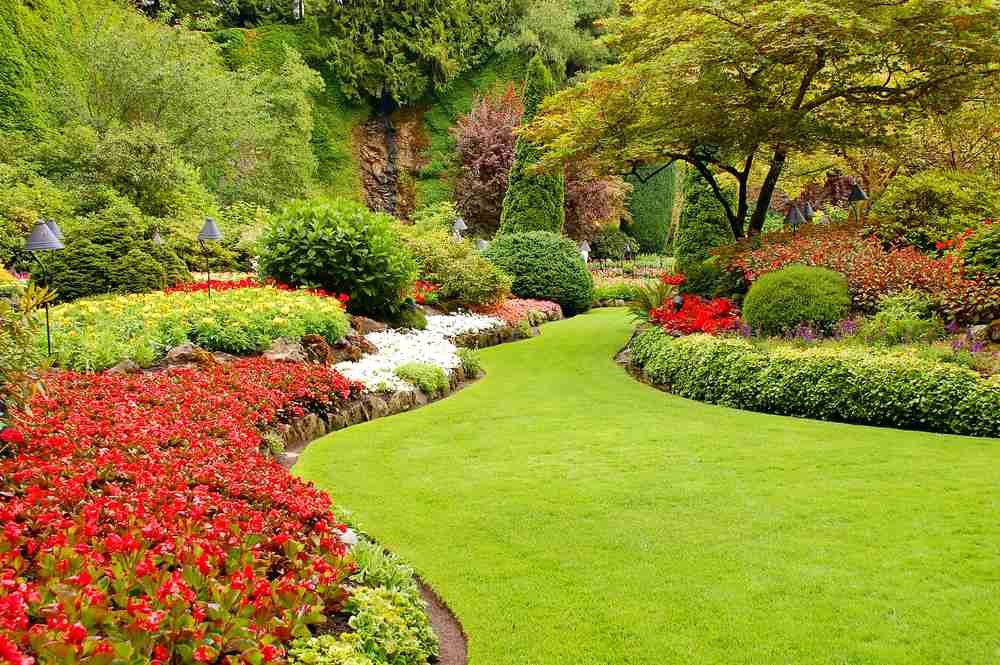
Every mower operator knows this feeling: odd curves, unnecessary obstacles, and tight squeeze zones that turn a simple mow into a stop-start workout. Design fixes that. When lawns are intentionally shaped, maintenance becomes more efficient. Some benefits include:
● Long runs instead of choppy sections
● Clear boundaries between turf and beds
● Edges that hold their line instead of creeping every season.
Professional designers think about future maintenance patterns, even if they don’t say it out loud. That foresight saves time, reduces wear on equipment, and delivers the striped professional look that clients love.
Plant Choices That Project the Turf
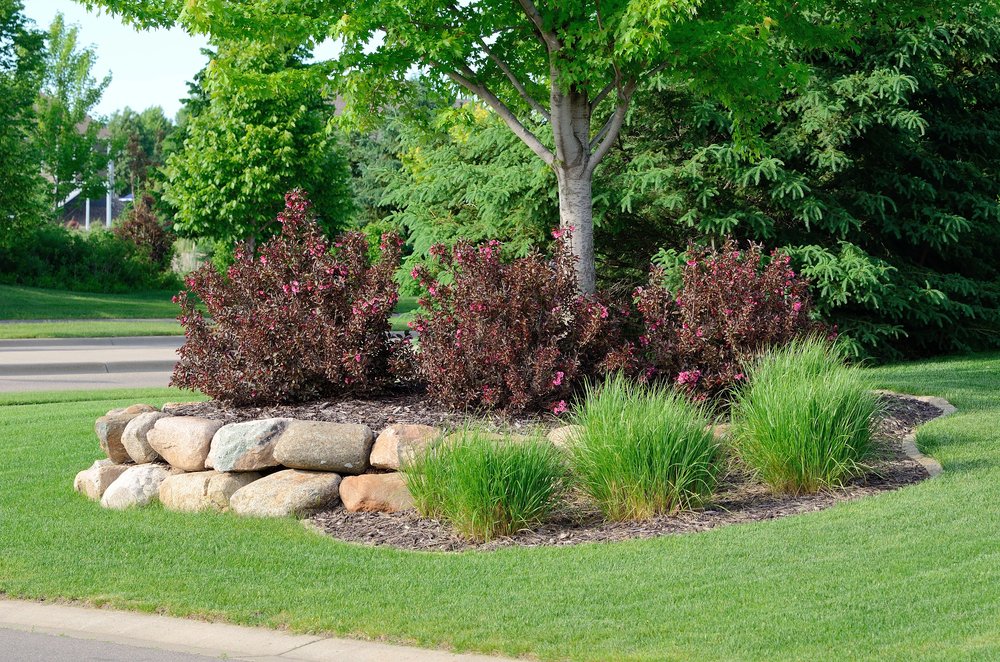
One of the biggest lawn killers isn’t disease or drought; it’s competition. Trees planted too close, shrubs that creep into turf zones, roots stealing water, and leaves smothering grass every fall. A design-first approach selects plants that support the lawn instead of suffocating it.
Canopies are spaced to allow airflow and sunlight. Root systems are planned with turf health in mind, and seasonal debris patterns are anticipated. This balance is where full-service landscape firms shine. Companies like Ed Castro Landscape that handle design and long-term care understand how early decisions affect mowing, fertilizing, and irrigation down the line.
Drainage Design is Everything
Compacted soil, fungus, thinning turf, and rutting from after a rainfall can all serve to damage your lawn. Most of these problems can be traced to drainage that was never properly designed. Professional landscape design plans where water goes, not just where grass grows.
Subtle grading, swales, permeable borders, and runoff management keep the lawn usable sooner after rainfall. For maintenance crews, that means fewer skipped snow days, fewer muddy messes, and healthier turf roots over time. For homeowners, it means a lawn that doesn’t turn into a sponge every rainy season.
Irrigation That Works With Maintenance Schedules
Overwatering is just as harmful as underwatering. Moreover, bad irrigation design guarantees one of the two. When irrigation is designed alongside the landscape, watering becomes precise, surge zones get what they need, beds get their own schedule, water pressure stays consistent, and heads don’t interfere with mowing or edging.
Endnote
When it comes to your lawn, professional landscape design sets the stage for every cut, edge, and pass of the mower that follows. It reduces stress on turf, simplifies maintenance routines, and allows lawn care professionals to deliver their best work consistently.