


Robotic lawn mower prices can catch you off guard with their huge range. You’ll find them selling anywhere from $400 all the way up to $45,000 for commercial-grade models. The sort of thing I love about these automated gardening helpers is how their prices and features vary so much.
Looking at the cheapest robot lawn mower options, homeowners can get started with basic models priced between $600 and $1,000. Most wired systems cost between $400 and $1,500, depending on your lawn’s size. The wireless models come with extra convenience, but they’ll set you back another $500 to $1,000 on top of the base price. The average auto mower’s price in 2025 sits between $800 and $5,000. High-end models pack GPS navigation and longer battery life, especially when you have bigger properties to maintain. On top of that, it helps to know about the yearly maintenance costs of just $400-$600 for blades, electricity, and occasional service. These smart machines could help you save money as time goes by.
This piece will show you the eye-opening world of robotic lawn mower prices and smart ways to match features with cost that fit your needs perfectly.
Surprising Price Ranges You Didn’t Expect
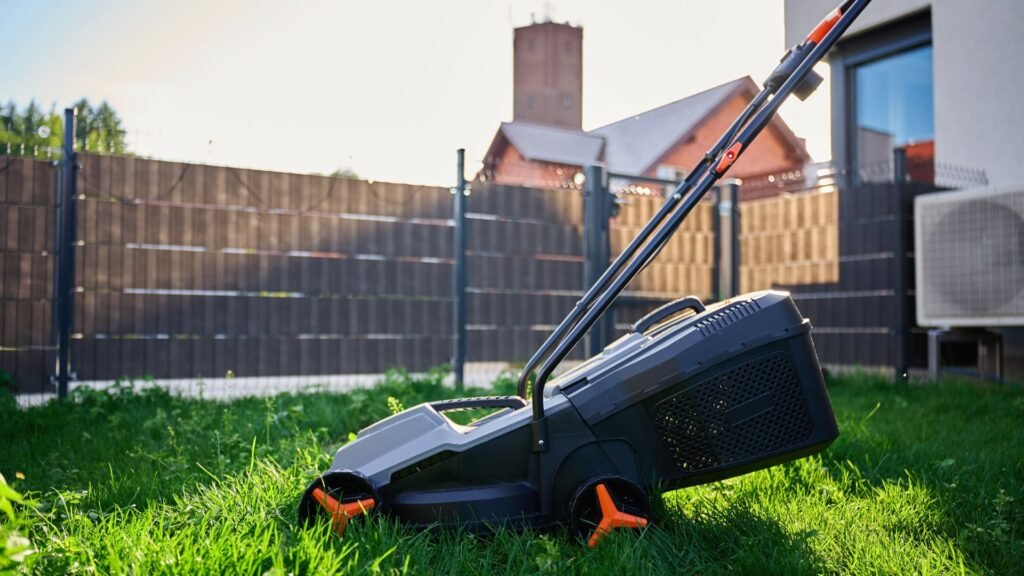
The robotic lawn mower market has several price segments. Each segment comes with unique capabilities that match different property needs. A good understanding of these price tiers will help you make a smart investment without wasting money on features you won’t use.
Entry-level models: What you get for $600–$1,000
Entry-level robotic mowers work well with lawns up to 0.25 acres (about 10,000 square feet). These models use boundary wires to define cutting areas. You’ll find simple programming features in these budget-friendly options, such as scheduled mowing times and simple obstacle detection. These mowers deliver reliable cutting performance for smaller, simpler yards that don’t have complex landscaping. Most basic models come with cutting widths between 6-7 inches and can run for 60-90 minutes before they need a recharge.
Mid-range options: Balancing features and cost
The $1,000-$2,500 range brings notable improvements in capability. These mid-tier mowers can handle up to 0.5 acres with smarter navigation systems. You get better battery life (up to 2-3 hours), wider cutting paths (7-9 inches), and clever features like rain sensors and zone management. Many of these models connect to your smartphone, which lets you adjust settings from anywhere – a great feature for busy homeowners.
High-end mowers: Why some cost over $5,000
Premium robotic mowers that start at $2,500 and go beyond $5,000 pack innovative technology that makes them worth the investment. These high-end units excel at managing complex yards up to 1.25 acres with multiple zones and tough terrain. They use GPS-assisted navigation, which often eliminates the need for boundary wires. These models stand out with anti-theft protection, terrain adaptation technology, and precise navigation through narrow passages. The cutting quality improves with wider blades and multi-zone memory.
Commercial-grade models: Who needs them?
Commercial robotic mowers in the $10,000 to $45,000 range meet specific professional needs. These powerful machines can handle 5+ acres continuously with minimal oversight. Golf courses, sports fields, and large corporate campuses benefit from these industrial-strength units. They feature reinforced components, all-weather operation, and advanced fleet management capabilities. Property managers find that these commercial units save money on labor costs compared to traditional landscaping crews.
Hidden Factors That Drive Up Robot Lawn Mower Price
Several hidden factors affect what you’ll pay for a robotic lawn mower beyond the simple price tiers. You’ll make better decisions about worthwhile features when you know these elements.
Wired vs. wireless boundary systems
Your choice of boundary system affects both the original cost and installation expenses. Traditional wired systems need buried boundary wire around your yard, but cost less upfront (averaging $1,000). Wireless systems that use transmitters to create circular boundaries cost about $350 but don’t offer much shape flexibility. GPS-based systems are the most convenient option since they eliminate physical boundaries, but they come with premium prices between $1,300-$2,000.
Battery type and runtime
Much of any robotic mower’s price comes from its battery technology. Most models use rechargeable lithium-ion batteries with different runtimes and lifespans. Basic units run for about 60-90 minutes, while premium models operate for 8-12 hours without stopping. Replacement batteries aren’t cheap either—commercial-grade models might need new batteries that cost around $20,000 after 5,000 cycles (about 12.5 years of regular use).
Smart features like GPS and app control
Navigation and control systems’ technology makes robotic lawn mower prices higher. Models with GPS navigation, smart app control, and weather sensors cost more because they work better. Features like customizable cutting schedules, smart home integration, and remote monitoring add $100-$300 to base prices. Some manufacturers even offer subscriptions to track advanced data and prevent theft.
Brand reputation and warranty coverage
Well-known brands charge more but give you better reliability and support. Warranty coverage varies—some manufacturers offer standard 2-3 year coverage while others give complete 5-year warranties. Protection differences can mean real value, especially since extended warranties usually cost $300, and accidental damage plans add another $200.
Smart Ways to Save on Your Auto Mower Purchase
Smart timing can save you hundreds—maybe even thousands—on your robotic lawn mower investment. The retail calendar holds the secret to getting premium features at better prices without breaking your bank.
Buy during off-season or holiday sales
You’ll find the best deals on robotic mowers at specific times in the retail calendar. Retailers offer deep discounts from late summer to early fall (August-October) as they make room for winter products. The biggest markdowns happen during winter months (January-February) with prices slashed by 30-50%. Major shopping events also bring great savings:
- Black Friday/Cyber Monday (November): Big discounts on electronics, including robotic mowers
- Amazon Prime Day (July): Special deals on popular brands
- Spring promotions: Price cuts on previous year’s models
Look at refurbished or previous-year models
Factory-refurbished units go through professional cleaning and complete functional testing while offering up to 50% savings off retail prices. These certified pre-owned mowers come with limited warranties that give you peace of mind compared to private second-hand purchases. New model launches in spring mean big price cuts on last year’s versions.
Skip unnecessary features for small lawns
Small properties don’t need premium features like GPS navigation or multi-zone memory. Core functionality matters more than paying extra for features meant for complex landscapes or large areas. Your specific needs should guide your choice rather than innovative technology that goes beyond what you need.
DIY installation saves setup fees
Setting up services adds a lot to your purchase cost. Most homeowners can install boundary wires themselves and save money. Manufacturers provide clear guides and video tutorials that make the process simple.
Use price comparison tools and rebate offers
Tools like Honey, Keepa, or CamelCamelCamel help you track prices and notify you about drops. Manufacturer newsletters give you exclusive discounts and early access to sales. Remember to check for rebates before buying because they can lower your final cost.
Long-Term Savings That Make the Price Worth It
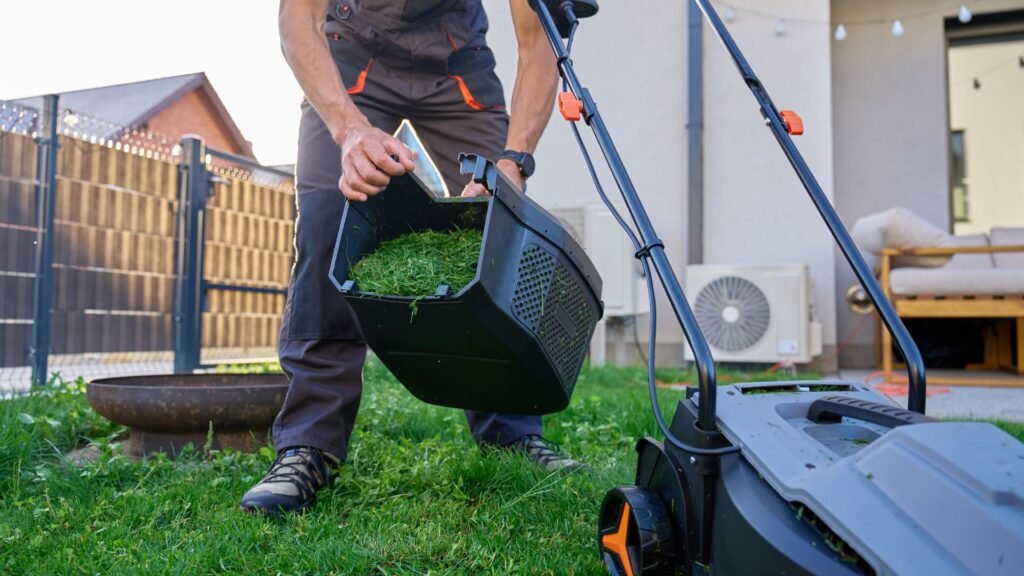
My analysis of lifetime costs shows that robotic lawn mowers offer amazing financial benefits. The price might shock you at first, but despite that, the numbers tell a compelling story when you look at the big picture.
Lower maintenance vs. gas mowers
Robot mowers need very little upkeep when you match them with traditional options. You’ll spend just $50-$100 yearly on a robotic mower’s maintenance, while gas models cost $150-$250. The savings add up since you won’t need oil changes, spark plugs, or fuel stabilizers. Your main expenses will be blade replacements ($20-$50 yearly) and new batteries every 3-5 years ($200-$400).
Electricity costs vs. fuel expenses
Robot mowers really shine when it comes to energy efficiency. You’ll pay only $3-$5 monthly for electricity, which adds up to $36-$60 per year. Gas-powered mowers, on the other hand, gulp down $150-$250 worth of fuel yearly. The numbers speak for themselves – a robotic mower uses about $1.04 worth of electricity per acre, while a gas mower burns through $4.70 in fuel per acre.
Time saved each week
The biggest savings come in the form of your precious time. Traditional mowing takes 30-60 minutes each time, eating up over 30 hours every season. This means you could free up 50-100 hours annually to spend with family, enjoy hobbies, or just kick back and relax.
Reduced need for professional services
You can save more than $10,000 over five years by ditching professional lawn care services. The robot’s frequent mowing creates a natural mulching effect that feeds nutrients back into your soil and cuts down on fertilizer needs. The math works out beautifully – most robotic mowers pay for themselves in just 2-3 years.
Great overview of options and costs that helps one narrow down what might be best for them. Really helpful guide.