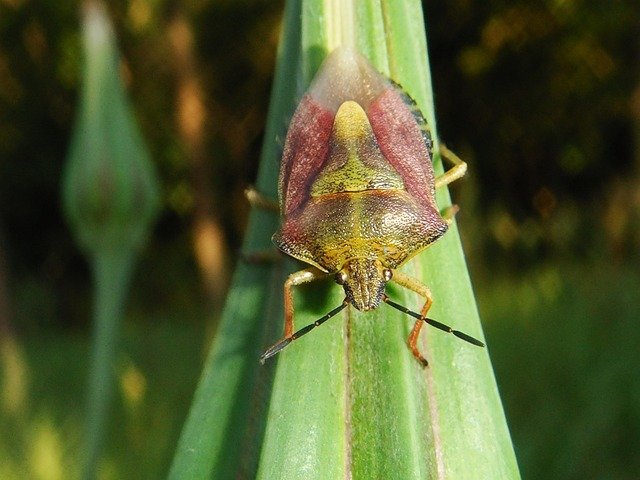

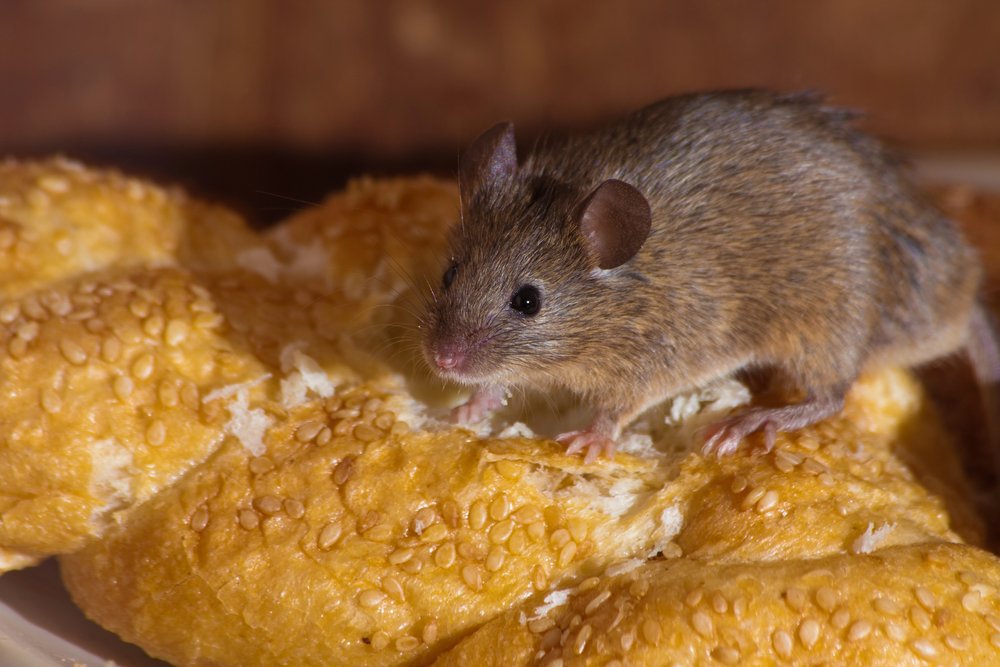
Your yard is your private retreat, but pests often see it as a full-service resort offering free room and board.
The reason your yard can become a hotspot for insects and rodents is simple: it provides the big three of pest survival: food, water, and shelter.
Fortunately, you don’t need a complicated strategy to make your property less attractive to them. A few small, consistent changes can turn your pest paradise back into your personal paradise.
Eliminate Standing Water
Pests need water to survive, and frankly, they aren’t picky about the source. Standing water is a huge welcome mat, especially for mosquitoes. A single female mosquito can lay up to 100 eggs in a container as small as a bottle cap, and it only takes a few days for those eggs to become biting adults, turning your backyard barbecue into a swat-fest.
Your first line of defense is to conduct a simple water patrol. Once a week, take a walk around your property specifically to hunt for standing water. Check the obvious spots, like birdbaths (which should be refreshed every couple of days anyway) and the saucers under your potted plants.
But don’t forget the less obvious culprits. Look for clogged gutters, which can create stagnant pools that are perfect for breeding. Check old tires, buckets, wheelbarrows, and even children’s toys left out in the rain. Any divots or low spots in your lawn that collect water after it rains are also prime real estate for pests.
Maintain Landscaping Regularly
Overgrown vegetation is the pest equivalent of a cozy, furnished apartment with a well-stocked pantry. Tall grass, dense shrubs, and thick ground cover provide shelter from predators and the elements. These areas offer a hidden highway for critters to travel around your yard and right up to your foundation.
Keeping your lawn mowed regularly eliminates a primary hiding spot for ticks and fleas, Go one step further and trim shrubs and bushes so they aren’t pressed up against your house. This creates a buffer zone that makes it harder for spiders, ants, and other crawlers to find their way inside.
The same goes for tree branches. Any branches touching your roof are a direct bridge for squirrels, raccoons, and carpenter ants. A little pruning goes a long way, so aim for at least a few feet of clear space between your house and any landscaping.
Remove Food Sources
If there’s an easy meal available, you can be sure that opportunistic pests will find it. An open-air buffet in your yard will attract everything from ants and flies to raccoons and rodents, so make sure you clean up and secure all potential food sources.
Start with your trash cans: if your lids don’t seal tightly, you’re essentially advertising a nightly feast. Invest in bins with locking lids or use a bungee cord to keep them secure. If you have pets, get into the habit of bringing their food and water bowls inside after they’ve eaten. Leftover kibble is a five-star meal for a hungry possum or raccoon.
Fruit trees can also be a major draw, because fallen fruit that’s left to rot on the ground ferments, attracting yellow jackets, flies, and ants. Make it a point to regularly gather any windfalls.
Bird feeders pose a similar problem: while you might enjoy watching birds, the spilled seed on the ground is a magnet for rodents. Consider using a no-mess seed blend, installing a catch tray, or simply placing the feeder a distance away from your house to keep rodents away.
Reduce Yard Clutter
A messy yard is a pest’s dream. Piles of clutter provide endless hiding spots and nesting sites. Rodents, in particular, thrive in disorganized environments. Mice can squeeze through openings as small as a dime, making any pile of debris a potential home.
Take a look around your yard for clutter hotspots. That pile of firewood stacked against your house? It’s a perfect home for termites and spiders. Move it to a rack at least 20 feet away from your foundation. Old junk, unused gardening equipment, and piles of leaves or yard trimmings all offer shelter.
Organizing your yard is a powerful pest deterrent. Break down and recycle cardboard boxes promptly, as they attract cockroaches. Store building materials and tools neatly in a shed or garage.
Address Entry Points Near the Yard
Pests that start in your yard will eventually try to move into your house, especially as the weather changes. They don’t need much of an invitation: a tiny crack in the foundation or a small gap around a pipe is like a wide-open door.
Take some time to inspect the perimeter of your home, your shed, and even your fence line. Look for cracks in the foundation and seal them with caulk, and check the seals around windows and doors.
Make sure the weatherstripping is intact, and keep an eye out for places where utility lines, like pipes and cables, enter your house. Gaps around these are common entry points for mice and insects. You can use steel wool or spray foam to fill these small openings.
Also, check your vents and chimney openings and install screens to keep birds and rodents out. Seal these up before pests get in.
When to Consider Professional Help
Sometimes, despite your best efforts, a pest problem can become too much to handle on your own. If you’re seeing pests frequently, noticing property damage like gnawed wires or wood, or dealing with a recurring infestation, it might be time to call a professional.
Professional pest control teams work swiftly and effectively. They can identify the root cause of the problem and provide a targeted solution that you might not be able to achieve with DIY methods. They have the tools and expertise to handle larger infestations and can offer long-term strategies to keep your property protected.
Don’t think of it as giving up. Think of it as bringing in an expert to reinforce your defenses.
And remember: a proactive approach to yard maintenance is your most powerful tool in the fight against pests. You’ve got this!