
Your robotic mower needs proper Smart Winter Storage when temperatures fall below 10°C (50°F), and grass stops growing. Most people don’t realize their high-tech lawn companions can’t handle cold weather well. The lithium-ion batteries inside robot mowers react badly to extreme temperatures. Poor storage during freezing weather can substantially reduce their lifespan and cost you expensive replacements.
Knowledge about how robot mowers work helps protect them better during winter. Your mower’s sensitive electronics can suffer damage from snow, rain, and moisture. This makes DIY storage solutions vital, especially when you have to protect your investment. The basic rules stay the same whether you want a dedicated robotic lawn mower shed or need specific guidelines for Flymo robotic lawn mower winter storage – your device needs to stay dry, protected, and properly powered down.
This piece covers everything you need to winterize your robot mower. You’ll learn the right steps for battery maintenance and cleaning procedures to keep your investment in top shape through cold months. On top of that, it helps you avoid common mistakes so your mower works perfectly when spring arrives.
Why winter storage is essential for robot mowers

Robot mowers are built tough, but winter’s harsh conditions can still damage them. Your Smart Winter Storage plays a crucial role when temperatures drop, and your lawn goes dormant.
Battery damage from cold temperatures
The lithium-ion battery in your robot mower faces real risks during winter. These batteries work safely only between 0–50°C (32–122°F). Freezing temperatures can permanently reduce their capacity or cause them to fail completely. A fully discharged battery left in cold weather might suffer damage that can’t be fixed.
This isn’t just about battery life. A depleted battery exposed to extreme cold might never work again after recharging. You’ll end up buying expensive replacements that proper storage could have prevented.
Moisture risks to electronics and sensors
Your mower’s electronic systems face multiple threats from winter moisture. Here’s what can happen with long-term exposure to winter conditions:
- Internal components collect condensation
- Metal parts and electrical contacts start corroding
- Circuit boards and sensors suffer water damage
- Plastic components crack during freeze-thaw cycles
A garage or robot lawn mower shed gives the best protection. Indoor spaces need careful planning, too. Stay away from damp basements or areas without insulation where moisture builds up. If you’re looking into DIY robotic mower storage options, pick spots that stay dry and warm enough to prevent freezing.
Impact on mower performance in spring
Bad winter storage will hurt your mower’s performance when spring comes back. You might find:
Rust has formed on the cutting system, making it less effective. The wheels don’t work right, which messes up navigation.n The mower won’t start up right away due to various problems
Instead of getting right back to work, you’ll waste time fixing and adjusting things. Grass starts growing again at around 8–10°C (40–50°F). Your lawn needs attention right when your poorly stored mower might not be ready to help.
Your investment in a Flymo robotic lawn mower winter storage (or any brand) deserves good winter protection. Good storage doesn’t just protect your equipment – it means your lawn gets the care it needs when growing season returns.
Step-by-step winterization checklist
Your robot mower needs proper winter storage to protect your investment until spring returns. Here’s a detailed checklist that will keep your device in great shape during the off-season.
1. Clean the mower really well
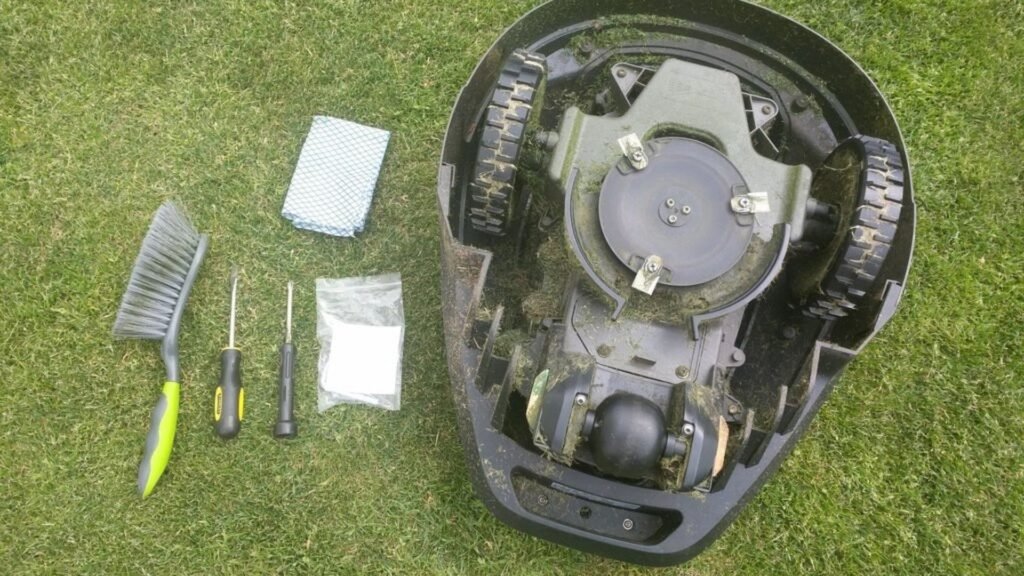
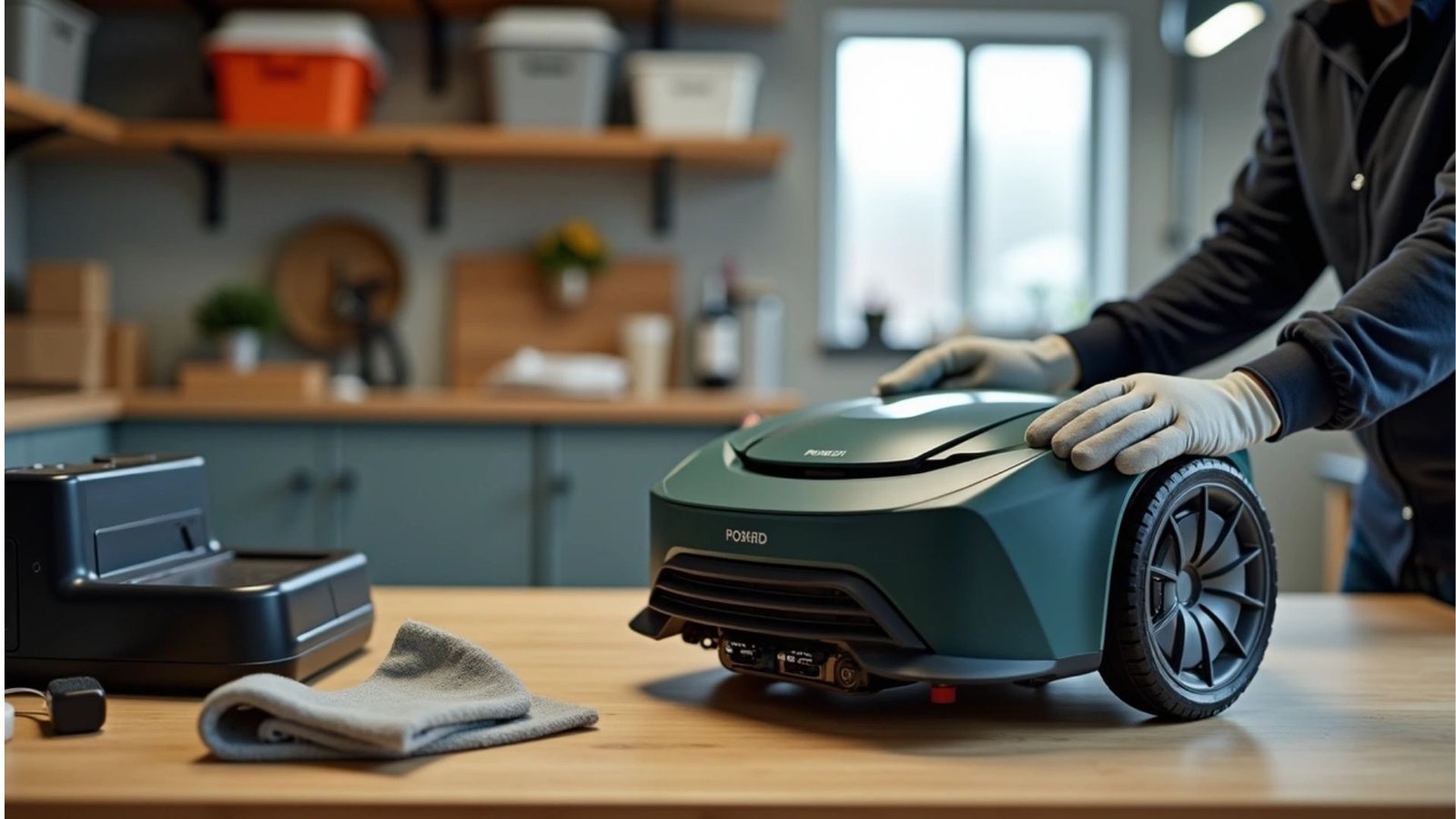
Switch off and unplug your mower before starting any maintenance work. Use a soft brush or cloth to clean grass clippings, dirt, and debris from the body, chassis, and blade disk. The wheels, sensors, and moving parts need extra attention since they collect the most buildup. Never use a pressure washer because water can seep into electrical components and cause malfunctions. Make sure to wipe down all parts to remove moisture completely.
2. Inspect and replace blades if needed
The winter months give you a perfect chance to replace worn-out blades. Look for wear signs, chips, or damage that could reduce your mower’s cutting power. New blades will prevent rust and give you sharp cutting edges next season. You should replace the proper screws along with the blades. This upfront maintenance will help you avoid delays when spring comes.
3. Charge battery to 60–80% before storage
Your mower’s lithium-ion batteries need specific charge levels for storage. Different manufacturers have varying guidelines, but charging to 60-80% works best. This middle range helps prevent cell stress that happens at empty or full charge. The mower should be switched off completely after charging to stop battery drain during winter.
4. Remove and store the battery in a dry place
Take out detachable batteries and keep them in a cool, dry spot where temperatures stay above freezing. The best storage temperature sits between 5°C-40°C (41°F-104°F). Built-in batteries also last longer with proper indoor storage.
5. Turn off auto-mowing and lock the device
Make sure to turn off all automatic mowing schedules before storage. You should also activate your mower’s security lock by pressing and holding the STOP button or choosing “Lock” in the menu. Users with GeoFence functionality should disable it.
6. Check for firmware or software updates
Connect to your mower’s app to check for firmware updates before final storage. These updates will give your device the latest improvements and security fixes. Some manufacturers add optimized charging algorithms for winter storage in their fall updates, which makes this step important.
How to store your robot mower and charging station
Finding a good spot to store your mower will protect it through winter. Let’s look at the best ways to set up robotic mower storage.
Choose a dry, frost-free location
Your robot mower needs a spot that stays dry and above freezing temperatures. A basement, insulated garage, or utility room works best. You should stay away from uninsulated garden sheds or spots where moisture and temperature keep changing.
Use a robotic lawn mower shed, ora wall mount
Robotic lawn mower sheds are a great way to get protection from the weather, pets, and curious children. Wall hangers made just for robot mowers prevent damage and save floor space. These options help raise your device to improve airflow and reduce contact with cold surfaces.
Cover with a breathable dust cover
A breathable cover stops dust buildup and lets air flow to prevent condensation. Waterproof covers made from tough materials like 210D Oxford cloth protect your mower really well. The mower’s original packaging can work just fine if you want to save money.
Store the charging station and cables safely
The power supply needs to be unplugged and kept in a dry spot. Cable connections stay safe in connector boxes – just label each one to make spring setup easier. Automower NERA models only need the charging station top stored inside.
Avoid placing heavy items on the mower
Your mower should sit on a flat, stable surface. The wheels need to rest evenly to prevent warping or pressure damage. This careful placement keeps wheel mechanisms working and stops the chassis from getting bent out of shape.
Common mistakes to avoid during winter storage
Most robotic mower owners make critical mistakes during winter storage despite their best efforts. A good understanding of these mistakes will help protect your investment.
Leaving the mower outside in freezing weather
Your device will suffer irreversible damage from winter elements. Snow and frost damage sensitive electronics and create condensation that eats away at metal components. Your mower needs indoor storage since leaving it outside will definitely lead to expensive repairs by spring.
Using pressure washers for cleaning
High-pressure water should never touch your robotic mower. Water forced into electrical components will cause short circuits and system failures. A soft brush and a damp cloth are the right tools to keep water damage at bay.
Storing a battery fully charged or fully drained
Battery storage needs a specific charge level—not full or empty. The best storage charge sits between 50-70% instead of extremes like 100% or 0%. This middle range helps prevent cell deterioration during the idle months.
Skipping firmware updates
Navigation errors pop up in spring if you skip software updates before winter storage. These updates are vital parts that improve performance and fix system bugs.
Improper placement leading to wheel damage
Your mower needs a flat, stable surface. Heavy items placed on top will squeeze the wheels and chassis, which can end up causing alignment issues. The device should sit in its normal position—never upside down to get the best protection.
Conclusion
Storing your robot mower properly during winter protects your investment. In this piece, we’ve shown how to protect these tech-savvy lawn helpers at the time they need it most. Your robot mower could face damage from freezing temperatures, moisture, and poor handling. The good news? You can prevent all these issues with the right steps.
Your mower’s batteries need extra care. Keep them at 60-80% charge to protect the cells. A dry, temperature-controlled space prevents damage that can’t be fixed. A full cleaning removes debris that could cause corrosion. Don’t forget to maintain those blades, too.
The right storage spot makes all the difference. Your heated garage, basement, or dedicated mower shed offers the best protection from frost. A good cover adds another layer of defense against dust while letting the mower breathe.
Let’s talk about what not to do. Don’t leave your mower outside in winter. Don’t skip those firmware updates. And please, no pressure washers for cleaning. These might seem like small things but repairs can get pricey when spring comes around.
A few hours of winter prep saves hundreds in repairs and makes your mower last substantially longer. These steps help ensure your mower runs smoothly once growing season returns.
You now know how to winterize your robot mower the right way. Your investment stays safe during those harsh winter months. The best part? When spring arrives, you’ll have a perfectly working mower ready to keep your lawn looking great while you relax.