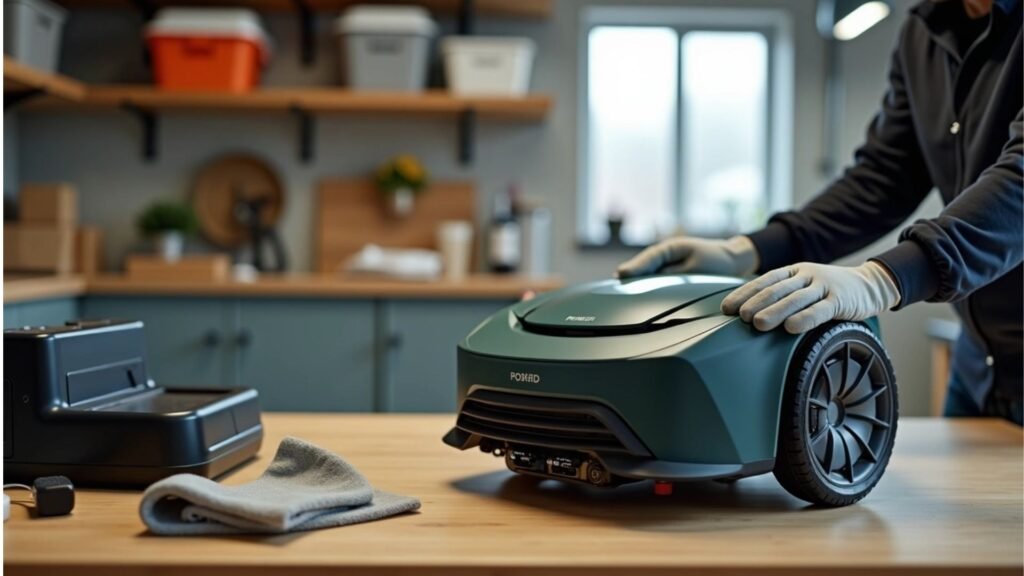

Battery-powered and robot lawn mowers are becoming popular faster because they eliminate messy gas refills, avoid cumbersome extension cords, and run quietly while supporting eco-friendly yard care. The biggest problem with robot mowers lies in their Robot Mower Battery Maintenance, which remains crucial to maximizing your investment and ensuring reliable performance across seasons.
Most robot lawn mower batteries last between 3 and 7 years, and this range varies substantially based on battery type and care practices. Modern robotic mowers use lithium-ion batteries that last 5-10 years with proper care. These batteries outperform lead-acid versions that typically need replacement after 2-3 years. Lithium-ion batteries can complete between 500 and 1,000 full charges before their performance starts to decline.
This piece offers expert tips to extend your robot mower’s battery life. You’ll learn to spot battery deterioration signs and implement simple maintenance routines that save money while maintaining your lawn’s perfect appearance. These straightforward practices will protect your investment, whether you’ve just bought a robot mower or want to improve your maintenance routine.
Understanding Robot Mower Battery Types

Robot mower batteries have come a long way, and different technologies now give you varying levels of performance, durability, and maintenance needs. You’ll make better decisions about your lawn care equipment when you understand these differences.
Lithium-ion vs Lead-acid: What’s the difference?
The key difference between these battery types comes down to their internal chemistry and how they perform. Early robotic mowers used lead-acid batteries because they cost less upfront. In spite of that, they have major drawbacks—they last only 300-500 charging cycles and don’t work well when partially charged.
Lithium-ion batteries pack more power into a smaller package thanks to their high energy density. These batteries deliver 500-800 cycles under normal conditions and keep their power output steady even when working hard. They also weigh much less than lead-acid batteries, which helps the motor run longer and work better.
Why lithium-ion is the preferred choice today
Modern robot mowers use lithium-ion batteries as their go-to choice, and for good reasons. The biggest advantage is their charge time—they need just 2-4 hours to charge compared to 8-16 hours for lead-acid batteries.
These batteries are more efficient too, with over 95% charging efficiency versus lead-acid’s 80-85%. They work reliably in hot and cold weather, which makes them perfect for outdoor equipment that runs year-round.
Lithium-ion batteries need almost no maintenance, unlike lead-acid batteries that need regular checks of electrolyte levels and clean terminals. This makes them ideal for autonomous mowing systems that should run without much attention.
How the battery type affects the robot lawn mower battery life
Your robot mower’s lifespan depends heavily on its battery type. Lead-acid batteries usually last 2-3 years, while good-quality lithium-ion batteries can keep going for 5-10 years with proper care.
This big difference comes from cycle capacity—lithium-ion batteries handle 3000-5000+ charge cycles while lead-acid manages only 300-500. Lithium-ion batteries also keep working well throughout their life without the memory effect that older battery types had.
Today’s lithium-ion batteries come with Battery Management Systems (BMS) that stop overcharging and over-discharging while managing heat—making them last even longer. This technology helps them perform their best through all seasons and years of use.
What Impacts Battery Lifespan the Most
Your robot mower’s battery life depends on several important factors. This applies to both lithium-ion and lead-acid batteries. You can get the most from your investment by learning about robot mower battery maintenance.
Usage frequency and mowing area size
The way you use your robot mower affects your battery longevity by a lot. Batteries wear down faster when mowers tackle bigger lawns or run often. Each deep discharge cycle puts extra strain on the battery cells. To name just one example, using a mower on large or uneven terrain drains the battery more than occasional use on small, flat areas. Your battery will last longer if you choose a mower designed for an area slightly bigger than your actual lawn. This way, it won’t need to work at full capacity all the time.
Charging habits and overcharging risks
Bad charging habits can damage batteries faster than normal use. Lead-acid batteries suffer when left on charge permanently. Lithium-ion batteries degrade faster if they drop to 0% charge. You’ll get the best battery life by keeping the charge level between 30-80%. Many newer mowers come with smart charging systems that stop overcharging automatically. Using the manufacturer’s recommended charger is vital for your battery’s health.
Storage conditions: heat, cold, and humidity
The environment plays a vital role in keeping your battery healthy. Robot mowers work best in temperatures from 0-50°C (32-122°F). You should charge them between 0-45°C (32-113°F). The ideal storage temperature ranges from 10-20°C (50-68°F). Heat is particularly harmful—temperatures over 40°C can cut battery life by up to 40%. Freezing temperatures slow down chemical reactions and might crack the battery case. On top of that, high humidity can cause internal corrosion, which reduces capacity and lifespan.
Battery quality and brand reliability
Robot mower batteries vary in quality. The best manufacturers test each cell to ensure steady voltage. This leads to better performance. High-end models usually have advanced battery management systems. These systems prevent overcharging and over-discharging while managing heat distribution. The warranty length often shows the expected battery life. Premium batteries usually come with three to five-year coverage.
How to Know When Your Battery Is Failing
You can avoid finding a dead robot mower at the start of mowing season by watching for early warning signs. Only when we are willing to spot battery failure indicators early can we order replacements before the lawn becomes overgrown.
Shorter mowing time per charge
Your robot mower’s battery is likely degrading if it returns to the charging station more frequently than before. The battery’s capacity is declining when your mower, which once finished the entire lawn on a single charge, now only covers half the area. Aging batteries naturally lose their power to hold and deliver energy, which leads to shorter runtimes.
Longer charging times than usual
A battery that takes much longer to reach full charge shows it’s losing efficiency. Internal wear and chemical breakdown within the battery cells make it harder to absorb and retain power. The battery likely needs replacement if charging takes hours longer than it did when your mower was new.
The battery drains quickly when idle
Good batteries keep their charge for weeks without use. Your robot mower’s battery shows clear signs of internal deterioration if it depletes faster between mowing sessions. The battery cells can’t store energy properly anymore, even though the charging indicator might show 100% right after disconnecting.
Physical signs: swelling, corrosion, or heat
Failing batteries show visible warning signs during inspection. Dangerous internal pressure builds up from gas accumulation, causing swollen or misshapen battery casings[222]. You need to act fast if you see corroded terminals[222], unusual heat during charging, or batteries that get too hot during normal operation. These signs indicate irreversible damage and present potential risks[222].
Simple Maintenance Tips to Extend Battery Life

Simple and consistent care can double your robot mower’s battery life. These practices will help you maximize your battery’s performance.
Follow proper charging practices
The battery should not stay connected to the charger after reaching full charge. Storage works best with charge levels between 30-50%. This prevents overcharging and deep discharge issues. The battery needs to come off the charger right after it’s fully charged.
Store battery correctly during the off-season
Your battery needs a cool, dry space with temperatures between 10-20°C (50-68°F). The mower should go into winter storage with an 80% charge before complete shutdown. Battery charge levels need to be checked every 4-6 weeks during storage periods.
Clean terminals and check connections regularly
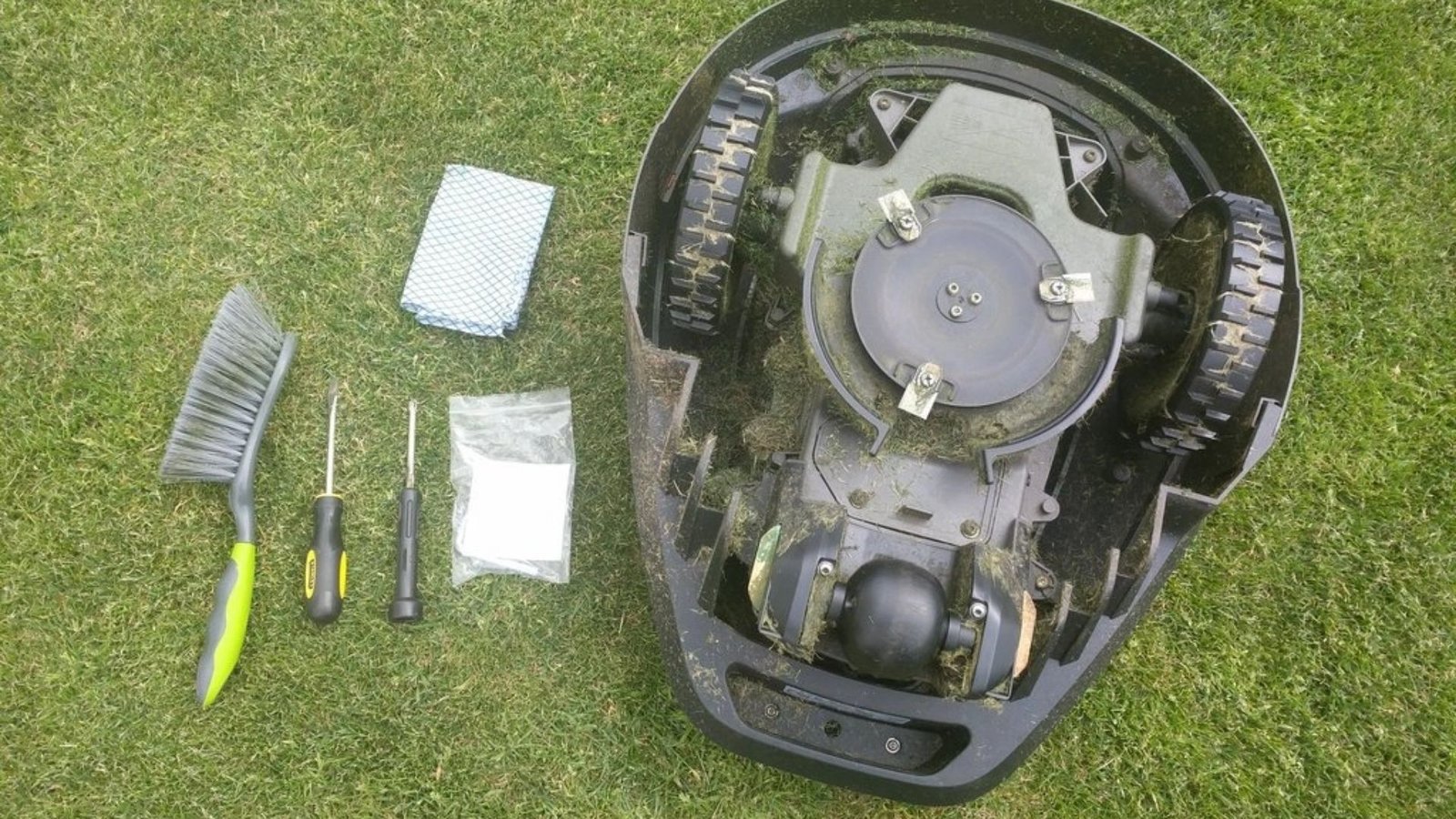
A dry, lint-free cloth works best to clean the terminals of dust and debris. Tough buildup on charging contacts needs fine sandpaper or steel wool. Apply contact spray or battery grease after cleaning to prevent corrosion.
Avoid deep discharges and overuse
The robot mower should stop running when battery levels hit 20%. Complete battery depletion speeds up cell degradation and cuts short your battery’s service life.
Use the right charger for your model
The manufacturer’s recommended chargers are essential. Wrong chargers can overheat the battery, provide poor charging, and damage battery cells permanently.
Conclusion
Robot mower battery maintenance is easier than you might think. You can extend your battery’s lifespan with some basic practices. Taking care of your mower’s power source will give you better performance and save you money down the road.
The transformation from lead-acid to lithium-ion technology has made robot mowers more reliable. These mowers now last 5-10 years instead of just 2-3 years. In spite of that, even the best lithium-ion batteries need proper care to reach their full potential.
Your charging habits play a huge role in battery health. You should keep charge levels between 30-80% to prevent stress on battery cells. Your mower should stay in temperature-controlled spaces away from extreme heat, cold, or humidity. This protects internal parts from wearing out too soon.
You need to look out for signs of battery problems. Your battery might need attention or replacement if you notice shorter mowing times or longer charging periods. Quick drainage during idle times or physical changes is also a red flag. Catching these issues early helps avoid unexpected breakdowns during peak growing season.
These maintenance tips are surprisingly simple but work really well. You only need minimal effort to clean terminals regularly, store properly, avoid deep discharges, and use the right chargers. These simple steps can double your battery’s life.
Robot mowers are a big investment in easy lawn care. Good battery maintenance protects this investment and keeps your lawn looking perfect year after year. The time you spend on battery care now will give you years of reliable, hands-free mowing later.