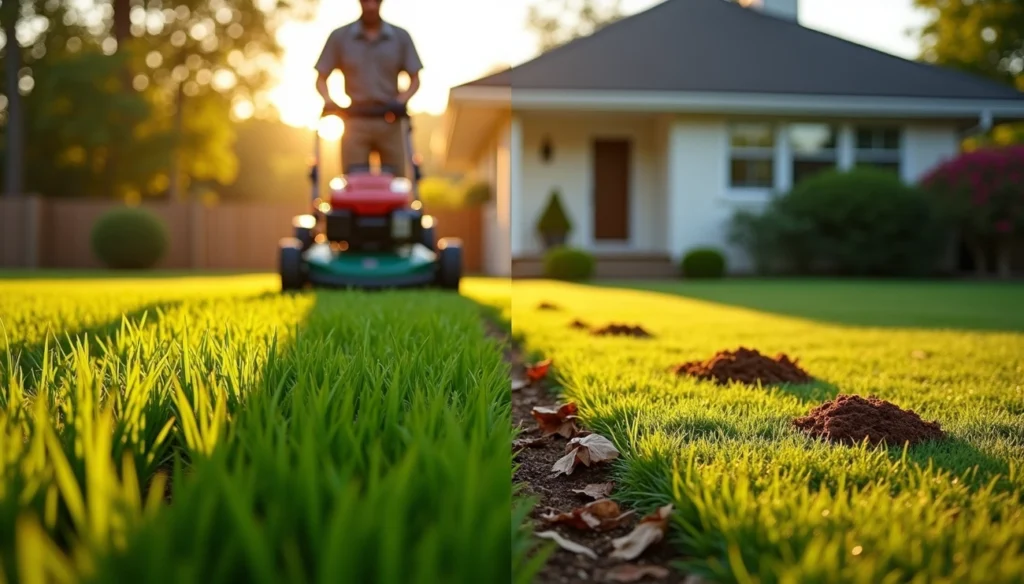


Kick Off Lawn Care March 2026 delivers ideal U.S. spring conditions for resuming lawn mowing, with soil warming and grasses greening before summer heat stresses turf. MowingMagic.com equips homeowners with precise calculators for cut heights, schedules, and mower performance to achieve pro-level lawns effortlessly.
Prime Timing for Spring’s First Mow
Mid-March aligns with average U.S. last frosts passing, letting cool-season grasses like fescue and Kentucky bluegrass reach 3.5 inches for that initial trim. Warm-season varieties such as Bermuda and Zoysia follow in late months in southern zones. Delaying risks of overgrown clippings that smother new growth.
Mowing now prevents weed seeding; dandelions and crabgrass explode post-April rains. Early cuts thicken turf density, shading soil to retain moisture amid variable spring showers.
Master the One-Third Rule

Never remove over one-third of grass height per session—this “one-third rule” minimizes root stress and shock. For a 3.5-inch target on tall fescue, mow when it hits 5.25 inches, not 7 inches.
Raise deck heights first, mow to skim tops only, avoiding scalping uneven ground. Gradually lower over two weeks as roots strengthen. Use our mow height calculator to dial in exact settings by grass type and region.
Optimal Heights by Grass Type
Cut heights vary by turf species for resilience against drought, pests, and traffic.
| Grass Type | Ideal Height (inches) | Mowing Frequency | Notes victorylawn+1 |
|---|---|---|---|
| Kentucky Bluegrass | 2.5-3.5 | Weekly | Deep roots; drought-hardy |
| Tall Fescue | 3-4 | Every 5-7 days | Dense, slow-growing |
| Bermuda | 1-2.5 | 2x weekly | Recovers fast; traffic tough |
| Zoysia | 1.5-2.5 | Bi-weekly | Shade-loving; thatch-prone |
| St. Augustine | 2.5-4 | Weekly | Shade loving; thatch prone |
Taller cuts shade weeds and cool roots; never go below 2 inches routinely.
Sharpen Blades for Clean Cuts
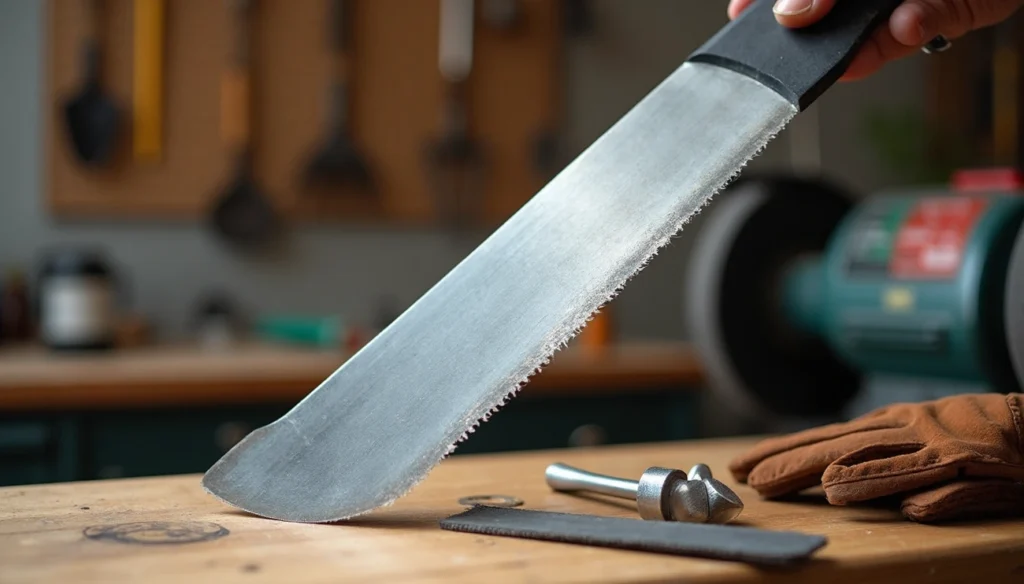
Dull blades tear grass, inviting brown tips and disease entry points. Hone mower blades every 20-25 hours or monthly—file edges at 30-degree angles for scissors-like action.
Test sharpness: Snip a single blade; clean cuts stay green, tears yellow fast. Balance post-sharpening to prevent vibration damage. Clean decks weekly to shed wet clippings that rust parts.
Rotate Patterns for Even Growth
Alternate mowing directions weekly—north-south, then east-west, diagonal next to upright grass, and avoid ruts. Straight-line patterns on rectangular yards create stripes; curves suit irregular lots.
Mow edges first with a trimmer, then ride-alongs for efficiency. Mid-morning sessions post-dew dry-out cut best, avoiding fungal evening moisture. Skip wet grass; it clumps and compacts soil.
Fertilize and Water Post-Mow Strategies
Apply slow-release nitrogen right after mowing when clippings decompose as natural mulch. Water deeply but infrequently—1 inch weekly—to coax deep roots, measuring with tuna cans.
Leave clippings on lawns; they recycle 25% of nitrogen needs, slashing fertilizer bills. Overseed thin spots now with pre-emergent crabgrass preventer for summer-proof turf. Check our fertilizer calculator for pounds-per-1,000 sq ft rates.
Per USDA lawn care guidelines, balanced nutrition yields 20-30% thicker stands versus neglect.
Essential Mower Maintenance Routine
Spring tune-ups extend equipment life: Change oil, replace air filters, and spark plugs yearly. Electric models? Inspect batteries and cords for frays.
For riders, grease fittings bi-monthly; walk-behinds get blade checks pre-season. Store fuel stabilized to prevent gumming. Track hours via apps linked to MowingMagic.com tools for scheduled services.
Combat Spring Weeds and Pests
Spot-treat broadleaf weeds like clover post-mow when actively growing. Aerate compacted clay soils now to boost oxygen and nutrient uptake.
Grubs surface in warming soils; apply milky spore bacteria for organic control. Healthy mowing fosters resilience—tall, frequent cuts outcompete invaders naturally.
Eco-Smart Mowing Upgrades for 2026
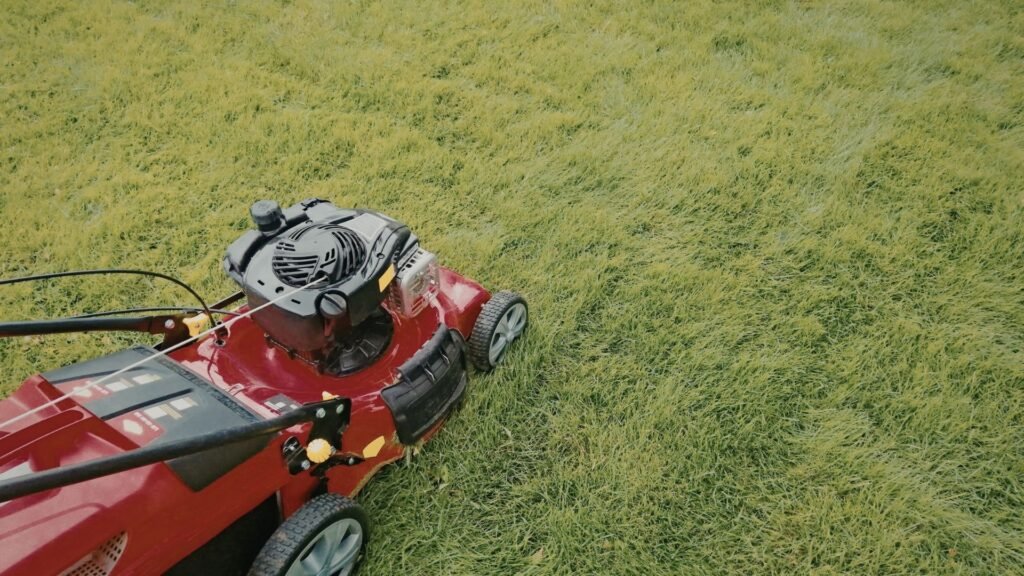
Battery electrics lead trends, slashing emissions 90% versus gas while being quieter. Mulching mowers finely chop clippings for superior recycling.
Robotic mowers handle daily trims autonomously, ideal for busy yards. Solar chargers power them for free. Calculate savings with our mower ROI tool.
Cost-Saving Seasonal Schedule
Budget $50-150 yearly for DIY supplies; pros charge $40-80 per mow. Early March slots book cheaper pre-demand.
| Monthly Task | DIY Cost | Pro Equivalent | Savings Tip |
|---|---|---|---|
| Blade Sharpening | $10 | $25 | DIY kit |
| Oil/Filter Change | $20 | $50 | Annual |
| Fertilizer (5K sq ft) | $30 | $75 | Slow-release |
| Pre-Emergent | $25 | $60 | Early app |
Bulk buys and clippings save $200+ annually. Custom schedules via maintenance planner optimize inputs.
Avoid Rookie Mistakes
Bagging all clippings robs nutrients; mulch 90% instead. Over-mowing weakens turf—rest blades if stressed yellow. Scalp only dormant lawns briefly.
Don’t fertilize pre-mow; granules stick to wet grass. Monitor for thatch buildup over 0.5 inches, dethatching in the spring for air flow.
Consistent March habits set unbeatable summer lawns. Dial in your regimen with MowingMagic.com for that envy-of-the-neighborhood edge.

![Types of Lawn Mower Blades Expert Guide to Choosing the Right One [2026]](https://mowingmagic.com/wp-content/uploads/2026/01/Types-of-Lawn-Mower-Blades-Expert-Guide-to-Choosing-the-Right-One-2026-1024x576-optimized.jpg)