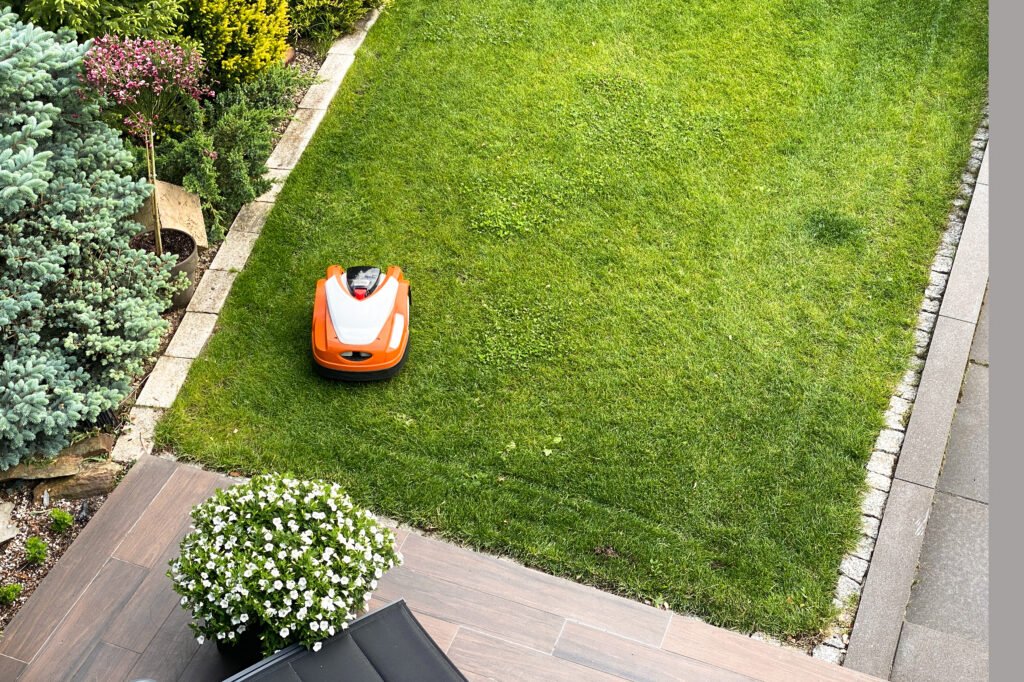

In the competitive world of commercial landscaping, the pressure to deliver pristine results while managing rising labor costs and environmental regulations has never been higher. For many operators, the solution isn’t just a better mower—it’s a better business model. Enter the era of Robotic Mowing as a Service (RaaS) and commercial leasing.
Renting or leasing autonomous lawn mowers is transforming how grounds managers, HOAs, and landscaping companies approach turf maintenance. By shifting from capital-heavy ownership to flexible, service-based agreements, commercial operators are unlocking levels of efficiency that were previously out of reach.
The Shift from Ownership to Autonomy
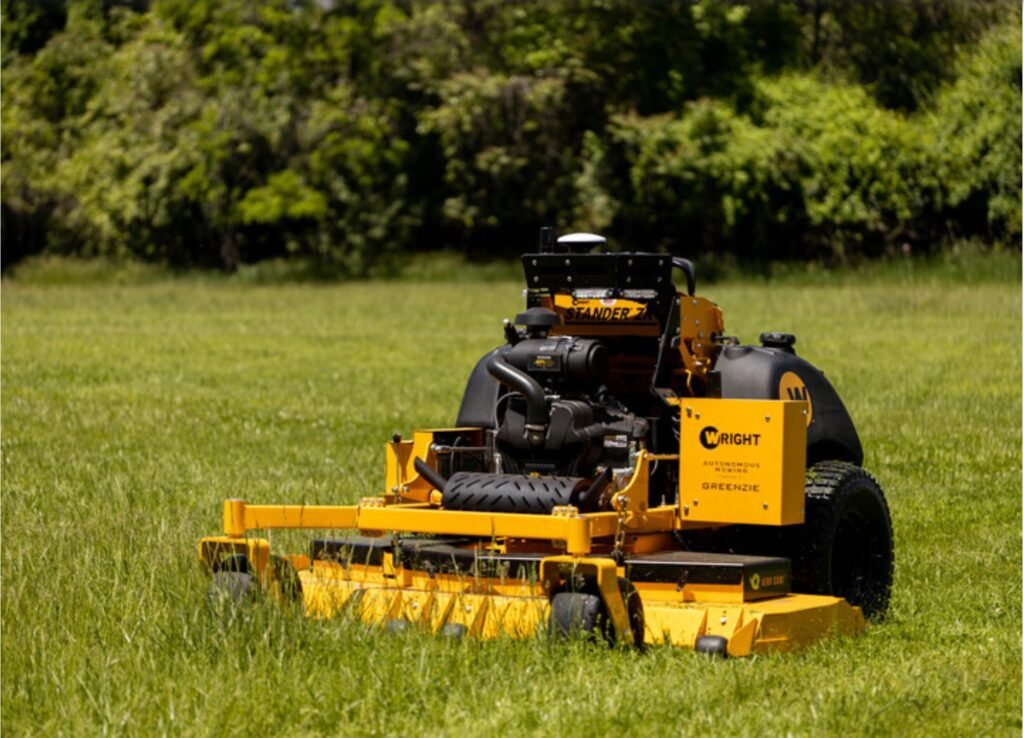
Traditionally, a commercial landscaping fleet required a massive upfront investment in gas-powered zero-turn mowers, followed by the ongoing headache of maintenance, fuel, and—most critically—finding skilled operators. In many regions, the labor shortage has become the single greatest bottleneck for growth. Landscaping companies are turning away contracts not because they lack the equipment, but because they lack the people to run it.
Renting robotic mowers flips this script. Instead of a $30,000+ capital expenditure for a single high-end machine, operators can now access the latest autonomous technology through monthly lease programs or “per-acre” billing models. This shift provides several immediate advantages:
1.Preserved Capital: Leasing allows businesses to keep cash on hand for other growth initiatives rather than tying it up in depreciating hardware.
2.Predictable Costs: Most commercial rental agreements include maintenance, software updates, and even winter storage, turning a variable expense into a fixed, predictable line item.
3.Access to Innovation: The world of robotics moves fast. A three-year lease ensures you aren’t stuck with yesterday’s technology when more efficient sensors and batteries and algorithms hit the market.
Key Players in the Commercial Rental Space
Several industry leaders have developed specialized programs to help commercial operators transition to autonomous fleets.
Husqvarna: Lease Plus and Service Plus
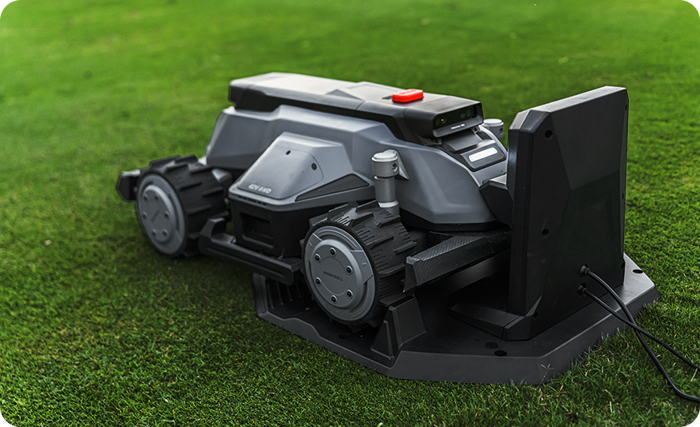
Husqvarna has been a pioneer in the robotic space with their Automower® line. For commercial clients, their Lease Plus program is an all-inclusive service. It covers the hardware, installation, and preventative maintenance. For larger properties, their CEORA™ system can manage up to 18 acres, and leasing options make this high-capacity tech accessible to mid-sized landscaping firms.
Scythe Robotics: The RaaS Pioneer
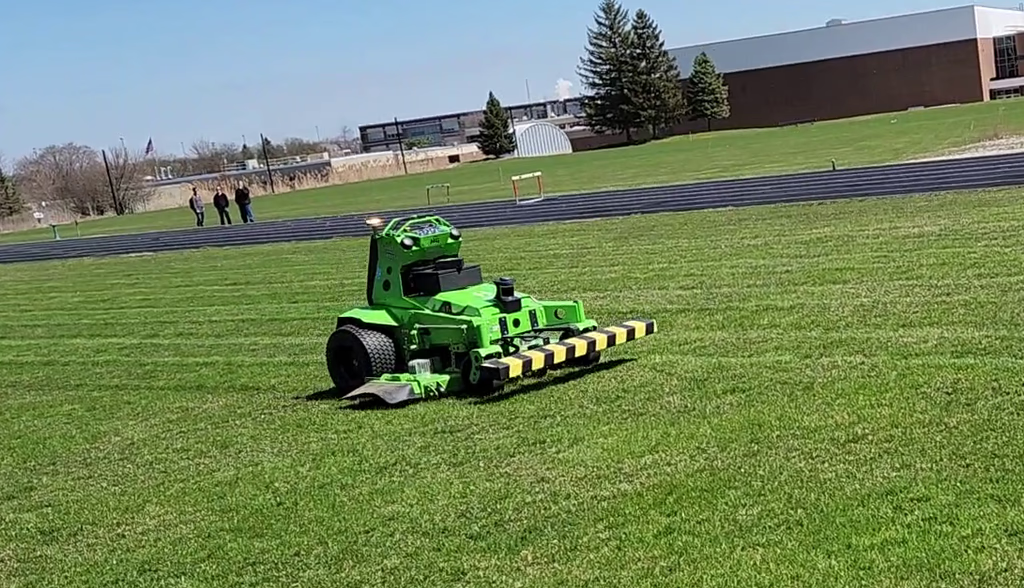
Scythe Robotics has gained significant traction by offering a true Robot as a Service (RaaS) model. Instead of buying the mower, contractors are often billed based on the acreage mowed. This aligns the cost directly with the revenue generated, making it an incredibly attractive option for companies looking to scale their operations without the risk of idle machinery.
Echo Robotics: High-Capacity Solutions
Echo’s TurfMower series is designed for sports fields and large corporate campuses. Their distributors often provide tailored leasing structures that include the specialized RTK-GPS base stations required for high-precision, “striping” patterns that commercial clients demand.
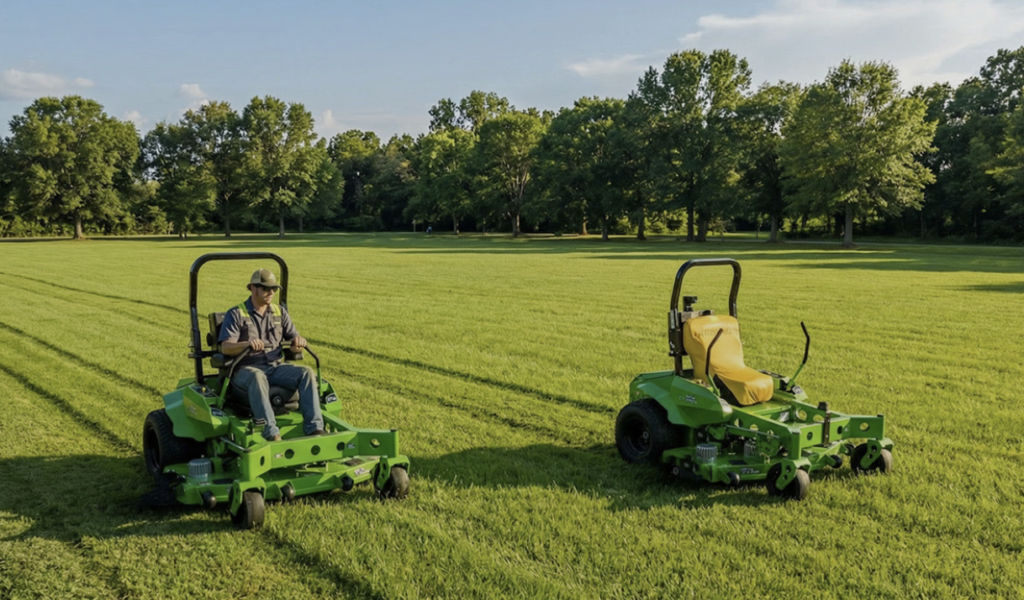
The “Human-in-the-Loop” Advantage: Havenshine
While fully autonomous “set-and-forget” mowers are excellent for fenced-in areas or low-traffic zones, many commercial operators face a different challenge: managing large, open public spaces where safety and supervision are paramount.
This is where Havenshine is changing the game. Rather than replacing the operator entirely, Havenshine’s Sidekick system focuses on “follow autonomy.” It allows a single operator to lead a “flock” of mowers. As the operator drives the lead machine, the Sidekick-equipped mowers follow the path autonomously, effectively doubling or tripling the productivity of a single crew member.
For commercial operators considering a rental or lease, Havenshine offers a unique value proposition. It solves the “supervision paradox”—the legal and safety requirement that an autonomous machine be monitored—by keeping the human at the center of the operation. By renting a Sidekick-enabled fleet, a landscaping company can mow 7+ acres per hour with a single employee, drastically reducing the cost-per-acre while maintaining the highest safety standards in public-facing environments.
Financial Breakdown: Is Renting Right for You?
When evaluating whether to rent or buy, commercial operators should look at the Total Cost of Ownership (TCO).
| Feature | Traditional Ownership | Robotic Rental/Lease |
| Upfront Cost | High ($15k – $60k per unit) | Low (First month + Setup) |
| Labor Requirement | 1 Operator per machine | 1 Operator per 2-5 machines |
| Maintenance | Variable & Internal | Included in most leases |
| Fuel/Energy | High (Gas/Diesel) | Low (Electric) |
| Depreciation | Owner’s Risk | Lessor’s Risk |
For many, the “break-even” point occurs when labor savings exceed the monthly lease payment. In many cases, a single robotic mower can replace 20-30 hours of manual labor per week. At a burdened labor rate of $25/hour, that’s a savings of $2,000 – $3,000 per month—often double the cost of a high-end commercial lease.
Overcoming the Implementation Hurdle
The biggest barrier to adopting robotic rentals isn’t the technology; it’s the workflow. Transitioning to an autonomous fleet requires a shift in how crews are deployed. Instead of three people on three mowers, a crew might consist of one person managing a Havenshine “flock” while the other two focus on high-value detail work like precision trimming, pruning, and client communication. This “upskilling” of the workforce is a hidden benefit; employees who manage robotic fleets often report higher job satisfaction as they move from repetitive manual labor to technical fleet management.
Most rental providers, including Mowing Magic, offer site evaluations to ensure your property is a good candidate for robotics. They look at:
•Connectivity: Ensuring strong GPS or cellular signals for navigation.
•Terrain: Identifying steep slopes or complex obstacles.
•Power: Locating optimal spots for charging stations.
The Environmental and Social Impact
Beyond the financial and operational benefits, renting robotic mowers offers a significant advantage in sustainability. Most autonomous mowers are 100% electric, producing zero on-site emissions. For commercial operators working on corporate campuses or in municipal parks, this is a major selling point. It helps clients meet their ESG (Environmental, Social, and Governance) goals while simultaneously reducing noise pollution.
Traditional commercial mowers can reach noise levels of 100 decibels or more, often restricting mowing hours to narrow windows to avoid disturbing residents or office workers. Robotic mowers, by contrast, are whisper-quiet. This allows for 24/7 operation, meaning a property can be mowed at 2:00 AM without a single noise complaint. This flexibility is a game-changer for high-traffic retail centers and healthcare facilities where daytime disruption must be kept to an absolute minimum.
Conclusion: The Competitive Edge
The commercial landscaping industry is at a tipping point. As labor remains scarce and noise ordinances become stricter, the operators who thrive will be those who embrace automation.
Renting robotic mowers isn’t just about cutting grass; it’s about cutting waste. It’s about taking the most repetitive, dangerous, and low-margin part of the job—sitting on a mower for eight hours—and automating it. Whether you choose the “set-and-forget” efficiency of a Husqvarna CEORA or the high-productivity “flock” approach of Havenshine, the message is clear: the future of commercial mowing is autonomous, and it’s available for rent today.
Need Help Choosing the Right Autonomous Solution for Your Company?
Just fill in this form and we’ll get right back to you. We’ll remove the stress and help you make more money with fewer employees.